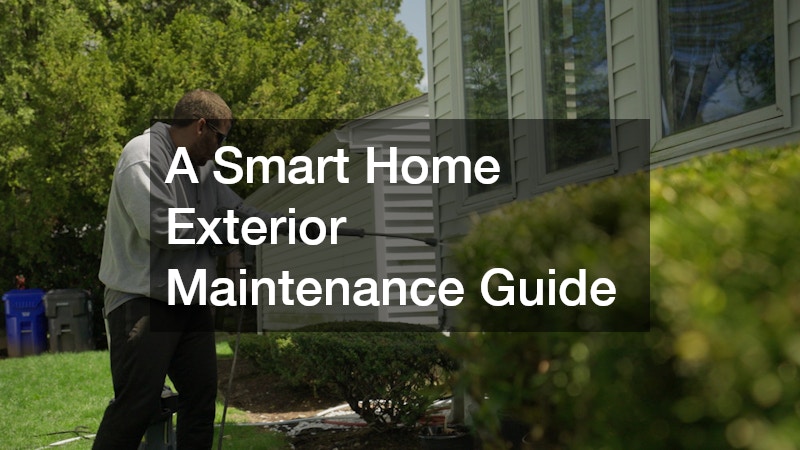
Maintaining your home exterior is about more than just appearances. Regular upkeep helps prevent costly damage, enhances property value, and keeps your home safe for your family. From the roof above to the pavement below, each component plays a critical role in protecting your investment. By following a structured maintenance plan, homeowners can catch problems early, avoid emergency repairs, and enjoy a safer, more attractive property year-round.
This guide provides actionable tips on inspecting, maintaining, and improving every aspect of your home exterior. Whether it’s checking for potential hazards, hiring skilled contractors, or implementing seasonal routines, these strategies are designed to make your home more resilient, efficient, and visually appealing.
Inspect and Maintain Your Roof Regularly
Your roof is your home’s first line of defense against weather, pests, and water damage. Even small issues, if left unattended, can quickly lead to major problems such as leaks, mold growth, and structural damage. That’s why a proactive approach to roof maintenance is critical. Regular inspections allow you to catch minor issues early, prevent expensive repairs, and maintain the overall integrity of your home.
Actionable steps for roof maintenance:
-
Visual inspections: Walk around your property to look for obvious damage, such as missing, cracked, or curling shingles. Inspect areas where water tends to collect, and check for signs of sagging or unevenness in your roofline. Inside the attic, look for water stains, mold, or light shining through gaps, which could indicate leaks. Performing these inspections at least twice a year, ideally in spring and fall, helps you spot problems before they worsen.
-
Clean debris: Accumulated leaves, branches, and dirt can trap moisture on the roof’s surface, accelerating wear and increasing the risk of leaks. Regularly clearing gutters, downspouts, and roof valleys ensures water flows freely away from your home. Pay special attention after storms or high winds, when debris buildup is more likely. For larger debris or hard-to-reach areas, consider professional cleaning to avoid personal injury.
-
Check flashing and vents: Flashing, vents, and skylights are common points of water intrusion. Ensure that seals around these areas are intact and free of rust or gaps. Damaged flashing can lead to leaks, wood rot, and interior water damage. Inspect these areas carefully during your routine checks and replace or repair them promptly when any signs of wear appear.
-
Hire professionals: While DIY inspections are valuable, roofing contractors have the expertise to identify underlying issues that may not be visible. Scheduling routine inspections with a roofing contractor ensures that small problems like loose shingles, deteriorating underlayment, or hidden leaks are addressed before they escalate. Professionals can also recommend preventive measures tailored to your specific roof type and climate.
-
Local support: Engaging local roof repair services provides an added advantage. Local contractors are familiar with regional weather patterns and common roofing issues, allowing them to respond quickly when emergencies arise. Whether it’s storm damage, sudden leaks, or routine maintenance, having reliable local support reduces downtime and mitigates further damage to your home.
Regular maintenance not only prolongs your roof’s lifespan but also helps maintain proper insulation, preventing energy waste and indoor damage. A well-maintained roof protects your home from the elements, safeguards your family, and ensures peace of mind that your property remains structurally sound year-round.
Keep Your Chimney Safe and Efficient
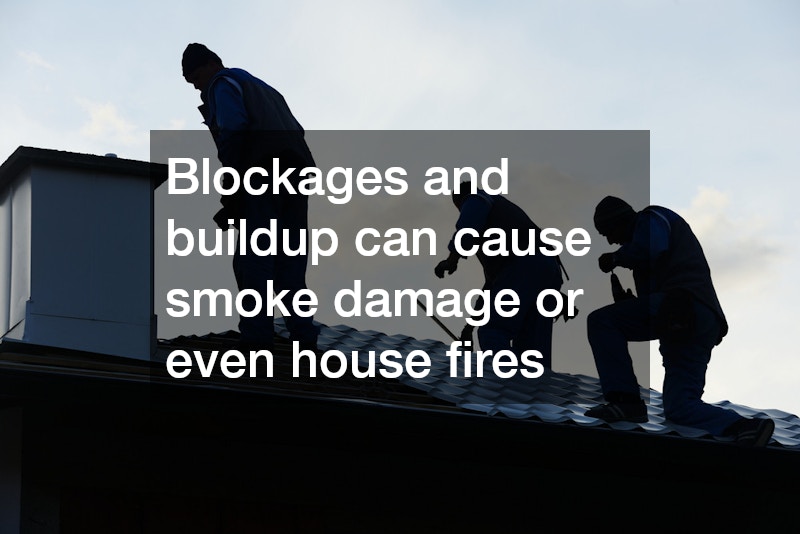
Chimneys are often overlooked, yet they can be a significant source of risk if not properly maintained. Blockages and buildup can cause smoke damage or even house fires.
Key tips for chimney care:
-
Schedule professional cleaning: A chimney sweeping service can remove soot, creosote, and debris safely.
-
Inspect for cracks or deterioration: Have a heating company check the structural integrity and functionality of your chimney.
-
Check fireplace operation: Make sure dampers open and close properly to prevent smoke from entering your home.
-
Seasonal preparation: Have your chimney cleaned before heavy-use seasons like winter.
By keeping your chimney in top shape, you protect both your family and your heating system, ensuring warm, efficient operation throughout the colder months.
Maintain Your Garage Doors for Smooth Operation
Garage doors are high-use components of your home exterior, and neglecting them can quickly result in costly repairs or serious safety hazards. Since most households rely on garage doors daily, even minor issues—like squeaking hinges or misaligned tracks—can escalate into malfunctions that compromise security or leave vehicles and belongings exposed. Proper maintenance not only extends the life of the doors but also ensures the safety of family members and anyone who operates them.
Maintenance actions for garage doors:
-
Inspect moving parts: Regularly examine springs, rollers, tracks, and cables for signs of wear, rust, or misalignment. Springs under tension can be particularly dangerous, so take note of any unusual noises or jerky movements when the door operates. Inspect tracks for debris buildup or dents that could impede smooth motion, and make sure rollers spin freely without wobbling. Identifying problems early can prevent a complete system failure.
-
Lubricate hinges and springs: Proper lubrication reduces friction between moving parts and minimizes wear over time. Apply a silicone-based or lithium grease to hinges, rollers, and springs at least twice a year, or more frequently if your garage sees heavy use. Avoid over-lubrication, which can attract dirt, and always wipe off excess grease to prevent buildup along tracks or nearby surfaces.
-
Professional services: Some repairs, particularly those involving torsion springs or heavy automated doors, are unsafe to perform without professional training. Garage door companies have the expertise, tools, and safety equipment to handle replacements, balance adjustments, and emergency repairs efficiently. Hiring professionals reduces the risk of injury and ensures the door operates reliably for years to come.
-
Protect surrounding areas: Water accumulation around the base of the garage door can cause rust, wood rot, and foundation issues. Installing gutter guards nearby prevents debris from clogging downspouts, directing water safely away from the garage structure. Additionally, maintaining proper drainage around the driveway or walkway leading to the garage helps prevent erosion and minimizes moisture-related damage.
Routine garage door maintenance ensures smooth operation, enhances home security, and reduces the likelihood of sudden failures. By combining regular inspections, careful lubrication, professional assistance when needed, and protective measures for surrounding areas, homeowners can keep their garage doors reliable, safe, and efficient for daily use.
Protect Your Home from Tree Hazards
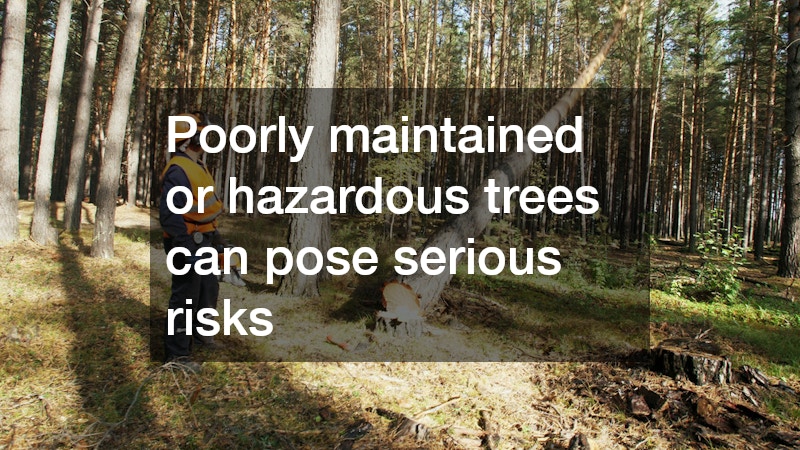
Trees add beauty and shade, but poorly maintained or hazardous trees can pose serious risks to your home and family.
Steps to manage trees safely:
-
Identify potential risks: Look for dead branches, leaning trunks, or roots that could undermine foundations.
-
Hire experts: Local tree removal services handle non-urgent removal, while hazardous tree removal specialists address immediate threats.
-
Regular trimming: Prune branches to maintain clearance from the house, roof, and power lines.
-
Seasonal checks: Inspect trees before storms or high winds to prevent falling debris.
Proper tree management protects your home from property damage and reduces liability for unsafe conditions.
Enhance Your Driveway and Walkways
Well-maintained paving contributes to both curb appeal and functional safety, reducing the risk of tripping hazards and water damage.
Driveway and walkway upkeep tips:
-
Inspect surfaces: Look for cracks, potholes, and uneven areas.
-
Professional paving: Paving companies can repair, resurface, or upgrade your driveway for a polished, long-lasting finish.
-
Drainage considerations: Ensure water flows away from your foundation to prevent structural damage.
-
Routine cleaning: Remove debris, moss, and stains to maintain appearance and traction.
Even minor repairs and preventive measures extend the life of your paved surfaces, saving you money in the long term.
Keep Gutters and Downspouts Clear
Clogged gutters and downspouts may seem like a minor inconvenience, but over time they can cause serious damage to your roof, siding, and foundation. When water cannot flow freely, it can overflow, erode soil near your home, and seep into structural components, leading to rot, mold, and costly repairs. Maintaining a clean, functional gutter system is essential for protecting your home and preserving its value.
Effective gutter strategies:
-
Clean regularly: Debris such as leaves, twigs, and dirt tends to accumulate in gutters, particularly during fall and after storms. Removing this buildup prevents water from pooling and reduces the strain on the gutter system. Homeowners should perform visual inspections at least twice a year, and more frequently if there are overhanging trees nearby. For multi-story homes or difficult-to-reach gutters, consider hiring professionals to avoid accidents.
-
Install guards: Gutter guard installers provide solutions that minimize debris buildup, reducing the frequency of manual cleaning. Guards can be made from mesh, foam, or surface tension materials, all designed to allow water to flow while keeping leaves and larger debris out. This proactive measure extends the life of your gutters and ensures that downspouts remain clear during heavy rain events.
-
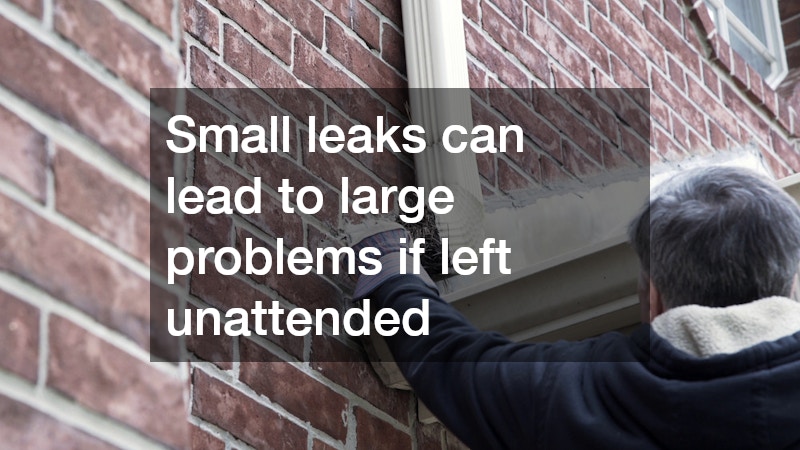
Inspect for leaks: Small cracks, gaps at seams, or loose fasteners may seem insignificant but can allow water to escape and damage fascia boards, siding, or the foundation. Regularly checking for leaks and sealing any problem areas prevents minor issues from becoming major repairs. Pay attention to the connections between gutter sections and at the base of downspouts.
-
Coordinate with roofing: Your roofing contractor can assess the alignment and pitch of your gutters to ensure proper water flow off the roof. Correct installation and positioning prevent water from pooling on the roof, which could damage shingles or underlayment. A coordinated approach between gutter maintenance and roofing inspections maximizes protection against water intrusion.
Routine gutter maintenance not only protects your roof and exterior walls from water damage but also enhances overall drainage efficiency, reducing erosion around your home. By keeping gutters clean, adding protective guards, inspecting for leaks, and coordinating with roofing professionals, homeowners can safeguard their property while minimizing the risk of costly repairs.
Maintain Fences for Security and Appearance
A well-maintained fence enhances privacy, safety, and property aesthetics. Neglecting it can lead to structural instability or costly replacements.
Fence care tips:
-
Inspect regularly: Look for rotting wood, leaning posts, or damaged panels.
-
Professional support: Fence contractors can repair or replace damaged sections safely.
-
Manage tree growth: Local tree removal or trimming near fences prevents damage from roots or falling branches.
-
Protective treatments: Apply sealant or paint periodically to resist weather damage.
Routine fence maintenance keeps your property secure and visually appealing, while extending the life of your fencing investment.
Plan Seasonal Exterior Maintenance
Creating a seasonal maintenance plan is one of the most effective ways to keep your home exterior functional, safe, and visually appealing throughout the year. Each season presents unique challenges, from heavy winter snowfall to summer storms, and addressing these proactively helps prevent costly damage, extends the life of your home’s exterior components, and ensures the safety of your family.
Seasonal strategies:
-
Winter: Cold weather, ice, and heavy snow can put roofs, trees, and heating systems under stress. Schedule inspections with a heating company to ensure your furnace and heating systems are operating safely and efficiently. Have a chimney sweeping service clear any blockages to prevent fire hazards. Additionally, identify and remove hazardous trees before storms or snow accumulation can cause branches to fall on your roof or other structures. These proactive measures reduce emergency repair costs and protect your home during the harshest months.
-
Spring: As snow and ice melt, spring is an ideal time to inspect your roof for damage, clean gutters, and check fences for signs of wear from winter weather. Spring cleaning also provides an opportunity to repair any pavement cracks and remove debris around your home. Conducting these inspections early in the season prevents water damage from spring rains and ensures that exterior systems are ready for the heavier use months ahead.
-
Summer: Summer brings growth and heat, which can affect trees, landscaping, and exterior structures. Maintain trees by trimming overgrown branches to prevent interference with fences or rooflines. Mow lawns regularly and address landscaping drainage to prevent water pooling near foundations. Seal cracks in paving and repair minor damage caused by the freeze-thaw cycle of winter to prolong the life of driveways and walkways. Summer maintenance ensures that your property remains visually appealing and structurally sound.
-
Fall: Preparing for winter begins in the fall. Trim trees and remove leaves and debris from gutters, downspouts, and around your home. Inspect fences, gates, and outdoor structures to make sure they can withstand winter conditions. Check roofs and scheduling local roof repair services if needed to repair minor damage before heavy snow or ice accumulation. Fall maintenance reduces the risk of emergency repairs, improves drainage, and ensures your home is ready for the colder months ahead.
A consistent seasonal maintenance schedule reduces the likelihood of emergencies, spreads out repair costs, and helps homeowners maintain a safe, efficient, and visually appealing property year-round. By addressing tasks seasonally, from heating and chimney inspections in winter to tree and paving maintenance in summer, you can prevent small problems from becoming major repairs and enjoy peace of mind that your home is protected in every season.

Prioritize Safety During Home Projects
Home improvement projects can be hazardous if proper precautions are not taken. Protect yourself and your property with careful planning.
Safety measures:
-
Coordinate contractors: Work with garage door companies, paving companies, and other professionals to prevent scheduling conflicts and accidents.
-
Use protective gear: Gloves, helmets, and eye protection reduce the risk of injury.
-
Establish clear zones: Keep children and pets away from work areas.
-
Follow local regulations: Ensure compliance with codes and safety standards.
By prioritizing safety, you minimize risk while completing necessary repairs and improvements efficiently.
Budgeting and Hiring Trusted Contractors
Proper budgeting and selecting reliable professionals are critical to successful home exterior maintenance.
Practical steps for managing projects:
-
Get multiple quotes: Compare prices and services from local roof repair services and fence contractors.
-
Check references: Ask for reviews or examples of completed projects.
-
Understand contracts: Review warranties, guarantees, and payment schedules before committing.
-
Prioritize maintenance: Focus on high-risk areas like roofing, trees, and gutters to avoid emergency costs.
Hiring trusted contractors ensures quality workmanship and long-term protection for your home.
Maintaining your home exterior is a comprehensive task that requires regular attention, careful planning, and professional support. From roofs to fences, trees to paving, each component contributes to your home’s safety, efficiency, and appeal. By scheduling inspections, addressing hazards, and working with experienced contractors, homeowners can protect their investments and enjoy a functional, attractive property year-round. A proactive approach not only prevents costly repairs but also provides peace of mind and lasting value for your family and your home.