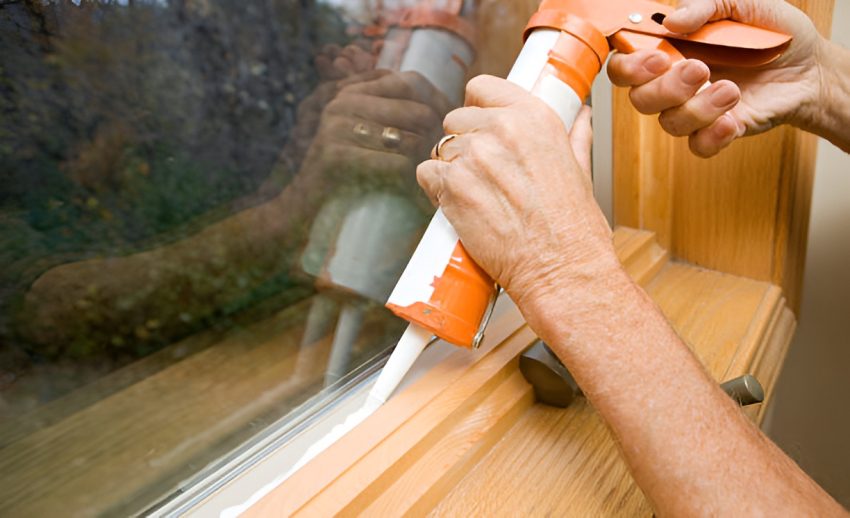
Highlights:
- Even small gaps matter: Drafts around windows can account for 25–40% of energy loss, making proper caulking a simple way to reduce energy bills.
- Preparation is key: Clean, dry, and inspect window frames before caulking to ensure proper adhesion and longevity.
- Choose the right caulk: Silicone, latex, or hybrid caulks each have different strengths; use exterior-grade caulk for weather resistance and interior-grade for paintable finishes.
- Step-by-step application matters: Cut the tip correctly, apply a steady bead at a 45-degree angle, smooth immediately, and allow proper curing for a professional result.
- Maintain and inspect regularly: Annual inspections, cleaning, and timely reapplication extend caulk life and sustain energy efficiency.
- Caulking improves comfort and efficiency: Properly sealed windows prevent drafts, maintain consistent indoor temperature, and reduce HVAC strain, saving money over time.
- Season and combine with other measures: Apply caulk in optimal temperatures, and pair with weatherstripping, insulation, or energy-efficient windows for maximum savings.
Windows are more than just openings to the outside world—they play a huge role in your home’s energy efficiency. Poorly sealed windows can let cold air in during winter, hot air in during summer, and cause your HVAC system to work overtime. One of the simplest and most effective ways to improve energy efficiency is to caulk your windows properly. This guide will walk you through everything you need to know, from choosing the right caulk to applying it like a pro.
Why Does Window Caulking Matter?
You might think, “It’s just a little crack—does it really matter?” The truth is, even small gaps can have a significant impact on your energy bills.
- Drafts around windows can account for 25 to 40% of energy loss in your home.
- Caulking helps seal air leaks, keeping warm or cool air inside where it belongs.
- Properly sealed windows can reduce your utility bills and make your home more comfortable year-round.
In short, caulking isn’t just about fixing cosmetic issues—it’s about saving money and energy.
What Tools and Materials Do You Need to Caulk Windows?
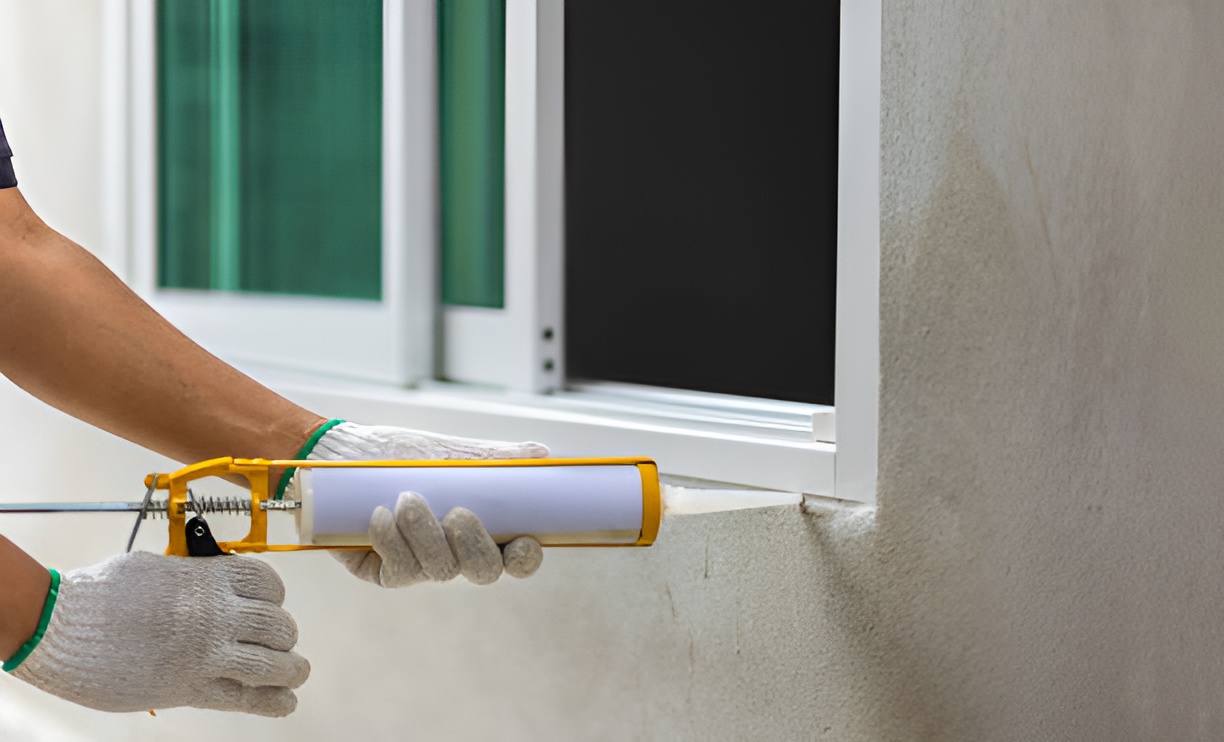
Before you start caulking, it’s important to gather all the right tools and materials. Being prepared makes the job faster, cleaner, and more effective, and reduces the chance of mistakes.
Tools
- Caulking gun – A good-quality caulking gun gives you smooth, controlled application. Some guns have a dripless feature to prevent messy blobs.
- Utility knife or scraper – Essential for removing old caulk, paint, or debris before applying new caulk.
- Putty knife or caulk finishing tool – Helps smooth the caulk for a neat, professional-looking line.
- Masking tape (optional) – Creates straight edges and keeps caulk off surfaces you don’t want it on.
- Rag or paper towels – For cleaning up spills, excess caulk, or smoothing your finger when finishing the bead.
Materials
- High-quality caulk – Silicone, latex, or hybrid caulk (we’ll cover the differences next).
- Painter’s tape (optional) – For crisp, straight lines on trim or sills.
- Cleaning solution – Soap and water, rubbing alcohol, or a mild cleaner to prep the surface.
By having all these tools and materials ready, you’ll save time and avoid frustration during the project.
Which Type of Caulk Should You Choose?
Not all caulk is created equal, and choosing the right one is key to long-lasting energy efficiency. Here’s a breakdown:
- Silicone Caulk – Extremely durable and waterproof, making it perfect for exterior windows exposed to rain, sun, and extreme temperatures. However, it cannot be painted, so it works best where appearance is less of a concern.
- Acrylic Latex Caulk – Easy to apply, smooths well, and can be painted over, making it ideal for interior window frames. It’s less flexible than silicone, so it may crack over time if the window moves a lot.
- Hybrid Caulks – These combine the best of both worlds: durable and flexible like silicone, but also paintable like latex. They’re often recommended for long-term projects and both interior and exterior applications.
Tip: For exterior windows, a silicone or hybrid caulk is usually the best choice because it can withstand weather changes without cracking, shrinking, or peeling.
How to Prepare Your Windows Before Caulking
Proper preparation is crucial. Caulking over dirty surfaces, old caulk, or moisture will prevent the new caulk from sticking properly and reduce its effectiveness.
1. Clean the Surface
- Use a scraper to remove old caulk or paint chips.
- Clean dust, dirt, or grease with a mild soap solution or rubbing alcohol.
- Make sure every crack and gap is free of debris.
2. Dry Completely
- Moisture prevents caulk from adhering correctly.
- Use a clean, dry rag or allow the window frame to air dry.
3. Check for Damage
- Inspect the frame for rot, cracks, or structural damage.
- Repair or replace damaged wood before applying caulk to ensure durability.
4. Masking Tape (Optional)
- For a clean, professional look, apply painter’s tape along the edges of the frame.
- This keeps the caulk bead straight and prevents it from spreading onto the wall or window trim.
By taking the time to prep properly, you’ll ensure the caulk lasts longer and provides the best energy-saving benefits.
How to Caulk Windows Step by Step
Now comes the main event—actually caulking your windows. Follow these steps carefully for the best results.
Step 1: Cut the Tip of the Caulk Tube
- Cut at a 45-degree angle for better control.
- Make the opening just large enough for the bead you want—too big will create a mess, too small will require multiple passes.
Step 2: Load the Caulk Gun
- Place the caulk tube in the gun and push the plunger snugly against the base.
- Test the flow on a scrap piece of wood or cardboard to get a feel for the pressure needed.
Step 3: Apply the Caulk
- Hold the gun at a 45-degree angle to the crack.
- Squeeze a steady, continuous bead along the gap. Avoid stopping and starting too much, as this can create gaps or uneven coverage.
- Move slowly and consistently for a smooth line.
Step 4: Smooth the Caulk
- Use your finger, a putty knife, or a caulk finishing tool to smooth the bead.
- Wet your finger or tool slightly to prevent sticking and create a neat line.
- Smoothing ensures proper adhesion and a polished appearance.
Step 5: Clean Up
- Remove painter’s tape immediately while the caulk is still wet.
- Wipe away excess caulk with a damp rag or paper towel.
- Proper cleanup prevents hardened messes and keeps your windows looking professional.
Step 6: Let It Cure
- Check the caulk packaging for recommended curing time—typically 24 hours.
- Avoid painting over silicone caulk; latex and hybrid caulks can usually be painted after curing.
- Keep windows closed during curing to prevent drafts from disturbing the bead.
Common Mistakes to Avoid
Even experienced DIYers make mistakes. Watch out for these:
- Applying too much caulk—creates a mess and wastes material.
- Skipping surface preparation—caulk won’t stick properly.
- Using the wrong type of caulk—silicone for interiors is hard to paint; latex for exteriors may crack.
- Caulking over active leaks without addressing the root problem.
How to Make Your Caulking Last Longer
Proper caulking is only effective if it lasts. Even high-quality caulk can fail over time if not maintained. Here’s how to make your caulk last for years while maintaining its energy-saving benefits:
1. Inspect Annually
- Take a close look at your windows at least once a year.
- Check for cracks, gaps, peeling, or separation from the frame. Even small issues can compromise energy efficiency.
- Pay special attention after extreme weather, such as heavy rain, snow, or heatwaves, which can affect caulk integrity.
2. Reapply When Needed
- Old or damaged caulk should be removed completely before applying new caulk.
- Use a scraper or utility knife to carefully remove old material.
- Reapplying caulk at the first sign of deterioration prevents more expensive repairs down the line, like water damage or wood rot.
3. Maintain Windows
- Keep window frames clean and dry. Dirt, mold, or moisture can weaken caulk adhesion.
- Avoid hosing down windows directly where caulk is applied. Instead, use a soft cloth or sponge to clean around the edges.
- Regular maintenance ensures your caulking stays strong and continues to seal gaps effectively.
Following these simple steps dramatically extends the life of your caulk and keeps your windows functioning efficiently for years.
How Caulking Improves Energy Efficiency

Caulking isn’t just about aesthetics—it’s a practical energy-saving strategy. Properly sealed windows reduce air leaks, which directly affects your home’s comfort and energy costs. Here’s why it matters:
- Prevents drafts – Caulking seals gaps where cold air enters in winter or hot air leaks in summer, reducing the workload on your HVAC system.
- Maintains consistent indoor temperature – Properly sealed windows keep rooms warmer in winter and cooler in summer, creating a more comfortable living environment.
- Reduces strain on HVAC systems – With fewer leaks, your heating and cooling systems run less frequently, which can extend their life and reduce maintenance costs.
In short, caulking is a small step with big energy-saving results. A few well-sealed windows can make a noticeable difference in your comfort and monthly bills.
How Much Can You Really Save?
The exact savings depend on your home, the quality of your windows, and your local climate, but studies consistently show significant energy savings:
- Sealing air leaks can save 5–30% on heating and cooling costs. That’s hundreds of dollars a year in energy savings for many households.
- Homes with properly sealed windows feel more comfortable year-round, eliminating cold drafts in winter and hot spots in summer.
- Combining energy-efficient windows with proper caulking maximizes both savings and indoor comfort. Even minor improvements can lead to noticeable results.
By investing a few hours in caulking, you can reap long-term financial and comfort benefits.
Seasonal Tips for Caulking Windows
The season in which you caulk your windows can impact both the application process and the caulk’s longevity. Here’s what you need to know:
Winter
- Avoid caulking if temperatures are below the range recommended on the caulk tube. Extreme cold can make caulk stiff, brittle, or unable to adhere properly.
- Focus on interior gaps that are exposed to drafts, and plan exterior caulking for warmer months.
Summer
- Ideal for exterior caulking. Warm weather allows caulk to flow smoothly and adhere better to surfaces.
- Avoid applying caulk directly on surfaces that are extremely hot from sunlight, as this can affect bonding. Work in the morning or evening for best results.
Spring & Fall
- Perfect for inspecting and performing touch-ups on existing caulk.
- Mild temperatures make the application easier and allow caulk to cure effectively.
- Seasonal inspections also help you catch cracks early, before winter or summer extremes worsen them.
Quick DIY vs. Professional Help
Many homeowners can handle caulking themselves, but when should you call a pro?
- If the window frame is rotted or damaged.
- If you notice persistent leaks or mold.
- If you want perfectly uniform lines on large or numerous windows.
Otherwise, caulking is a very approachable DIY project that can pay off immediately in comfort and energy savings.
How to Combine Caulking with Other Energy-Saving Measures
Caulking is just one part of a complete energy-efficiency strategy. Consider combining it with:
- Weatherstripping around doors and operable windows.
- Window film or insulation kits for extra thermal protection.
- Upgrading old windows with energy-efficient double or triple-pane models.
- Draft stoppers at the base of doors for additional air sealing.
These measures, combined with proper caulking, maximize energy savings.
How to Know When Your Caulking Needs Replacement
Even the best caulk won’t last forever. Signs it’s time to replace include:
- Cracks or gaps forming along the bead.
- Caulk pulling away from the frame.
- Visible mold or mildew growth.
- Air leaks that are noticeable to the touch.
Inspecting and maintaining caulk regularly prevents bigger energy losses and potential water damage.
Tips for a Professional-Looking Finish
A neat finish isn’t just cosmetic—it can prevent premature failure of the caulk.
- Use painter’s tape for straight, clean lines.
- Smooth immediately after application—caulk skins over quickly.
- Practice on scrap material if you’re new.
- Use a caulk finishing tool for a uniform bead.
With these simple steps, even beginners can get professional-looking results.
Frequently Asked Questions About Caulking Windows
Q: Can I paint over all types of caulk?
A: No. Silicone caulk cannot be painted; latex or hybrid caulk can usually be painted once cured.
Q: How long does caulk last?
A: Most caulks last 5–10 years, depending on exposure to weather, sunlight, and movement of the window frame.
Q: Is caulking enough for energy efficiency?
A: Caulking alone helps, but combining it with weatherstripping and window insulation provides the best results.
Q: Can I caulk over old caulk?
A: It’s better to remove old, cracked, or damaged caulk before applying new caulk for proper adhesion.
Q: Do I need to caulk both interior and exterior windows?
A: Yes. Interior caulk helps with comfort, while exterior caulk prevents moisture intrusion and heat loss.
Final Thoughts
Properly caulking your windows is one of the simplest, most cost-effective ways to improve energy efficiency in your home. With the right materials, preparation, and technique, you can seal gaps, reduce drafts, and save on energy bills—all without calling a professional.
Whether you’re a DIY beginner or just need a refresher, following these steps ensures your windows are properly caulked for maximum energy efficiency. Take the time now, and your home—and your wallet—will thank you for years to come.