Energy independence doesn’t have to mean cutting yourself off from the grid entirely or investing tens of thousands of dollars up front. For most homeowners, it’s a gradual shift—one that starts with small, affordable projects that reduce reliance on outside energy sources and make your home more resilient over time.
If you’ve ever felt the sting of rising utility bills or worried about power outages during storms, you’re already thinking in the right direction. The goal isn’t perfection—it’s progress. By improving efficiency, generating some of your own power, and managing how energy is used, you can take meaningful steps toward a more self-sufficient home.
Start with a Home Energy Audit You Can Do Yourself
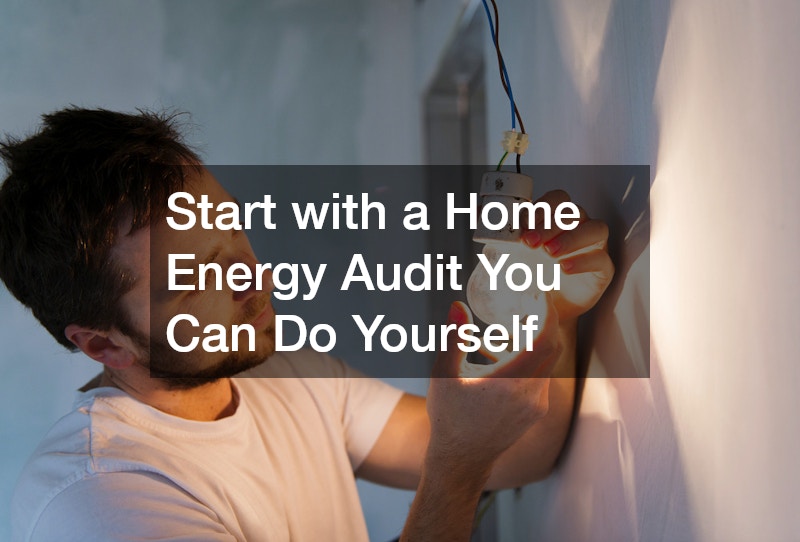
Before making upgrades, it’s important to understand where your home is losing energy. Many homeowners assume their biggest issue is obvious—like an old cooling system—but the reality is often more subtle.
Start by walking through your home with a critical eye. Look for drafts near windows and doors, uneven temperatures between rooms, and areas where insulation may be lacking. A simple test involves holding a lit incense stick near window frames or outlets—if the smoke wavers, you’ve likely found an air leak.
Pay special attention to how your air conditioning system performs. If certain rooms never seem to cool properly, that’s often a sign of duct leakage or poor airflow distribution.
While a DIY audit can reveal a lot, there are moments when bringing in HVAC contractors makes sense—especially if you suspect deeper system inefficiencies. A professional inspection can uncover issues like poorly sealed ducts or aging equipment that’s working harder than it should.
The key takeaway here is awareness. Once you know where energy is being wasted, every improvement you make becomes more targeted—and more effective.
Seal and Insulate Key Areas for Immediate Savings
If there’s one upgrade that consistently delivers fast results, it’s sealing and insulation. These projects are relatively inexpensive, and they immediately reduce the workload on your home’s heating and cooling systems.
Think of your home like a container. If it’s full of tiny gaps, conditioned air escapes constantly, forcing your system to run longer to maintain comfort.
Focus first on these high-impact areas:
- Attics, where heat often escapes in winter
- Crawl spaces and basements
- Window and door frames
- Electrical outlets on exterior walls
Applying weatherstripping or caulk is something most homeowners can handle in a weekend. Adding insulation, especially in the attic, may take a bit more effort but delivers significant returns.
You may also notice that after sealing your home, your heating system behaves differently. If it still struggles to maintain temperature, it could point to a need for furnace repair. Addressing that issue ensures your system isn’t wasting energy trying to compensate for inefficiencies.
Over time, these small fixes reduce how often your systems need to run—and that’s where real independence begins.
Upgrade to Zoned Cooling for Better Efficiency
Not every room in your home needs the same level of cooling. Yet traditional systems treat the entire house as a single zone, which leads to wasted energy.
Zoned cooling changes that.
Instead of pushing air evenly throughout the home, zoned systems allow you to control temperatures in specific areas. This is especially useful for spaces like guest rooms, garages, or home offices that aren’t used all the time.
One of the most effective ways to achieve this is through mini split AC installation. These systems operate without ductwork and allow you to cool individual rooms independently.
Imagine this: instead of cooling your entire home overnight, you only cool the bedroom you’re sleeping in. That single shift can noticeably reduce energy consumption.
There’s also a comfort factor. Zoned systems eliminate hot and cold spots, making your home feel more consistent without overworking your equipment.
While installation may require some upfront investment, the long-term savings—and increased control—make it a practical step toward energy independence.
Install Smart Thermostats and Energy Monitoring Tools
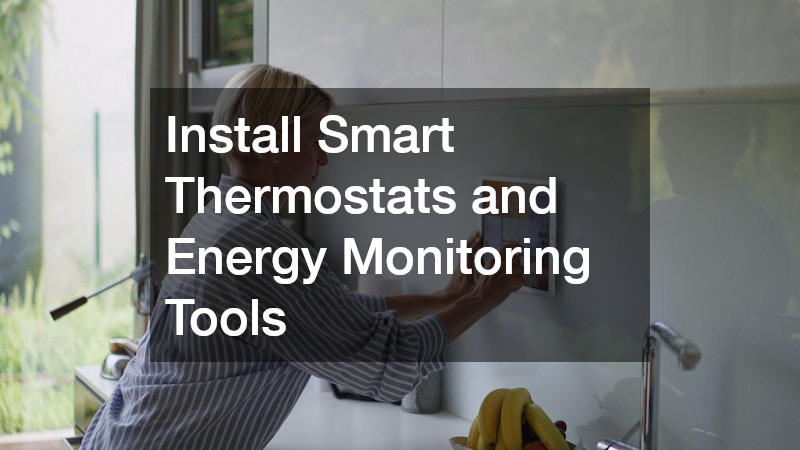
Once your home is sealed and your systems are running efficiently, the next step is controlling how energy is used.
Smart thermostats are one of the simplest ways to do this. They learn your habits, adjust temperatures automatically, and can be controlled remotely. Over time, they reduce unnecessary heating and cooling without sacrificing comfort.
But the real power comes from awareness. Energy monitoring tools show you exactly how much electricity your home is using—and when.
For example, you might discover that your energy usage spikes in the late afternoon when multiple appliances are running. With that knowledge, you can shift some activities to off-peak hours.
Installing these systems is usually straightforward, but if your home’s wiring is older or complex, working with local electricians ensures everything is done safely.
The combination of automation and insight turns energy use from something passive into something intentional—and that’s a major step toward independence.
Add Backup Power Solutions for Energy Security
Energy independence isn’t just about reducing usage—it’s also about maintaining power when the grid fails.
That’s where backup systems come in.
A back up generator provides peace of mind during outages, keeping essential systems like refrigeration, lighting, and heating running when you need them most.
There are two main options to consider:
- Portable units, which are more affordable and flexible
- Standby systems, which activate automatically and power larger portions of your home
Choosing the right setup often depends on your priorities. Do you want to power just the basics, or keep your entire home running seamlessly?
Working with a reputable generator company can help you assess your needs and avoid overspending on capacity you don’t actually require.
Even a modest backup system can dramatically increase your home’s resilience—and reduce your dependence on external infrastructure during emergencies.
Plan a Safe and Efficient Generator Setup
Installing a generator isn’t just about buying equipment—it’s about integrating it safely into your home.
Poor placement or improper connections can create serious hazards, so planning matters.
Start by considering fuel type. Gasoline, propane, and natural gas each have their own pros and cons in terms of cost, availability, and storage.
Next, think about location. Generators must be placed outdoors with proper ventilation to prevent carbon monoxide buildup.
The actual generator installation process should include:
- A transfer switch to safely connect the generator to your home
- Proper grounding to prevent electrical issues
- Compliance with local codes and regulations
This is one area where cutting corners isn’t worth it. A properly installed system ensures reliability when you need it most—and protects both your home and your family.
Incorporate Solar Power for Long-Term Savings
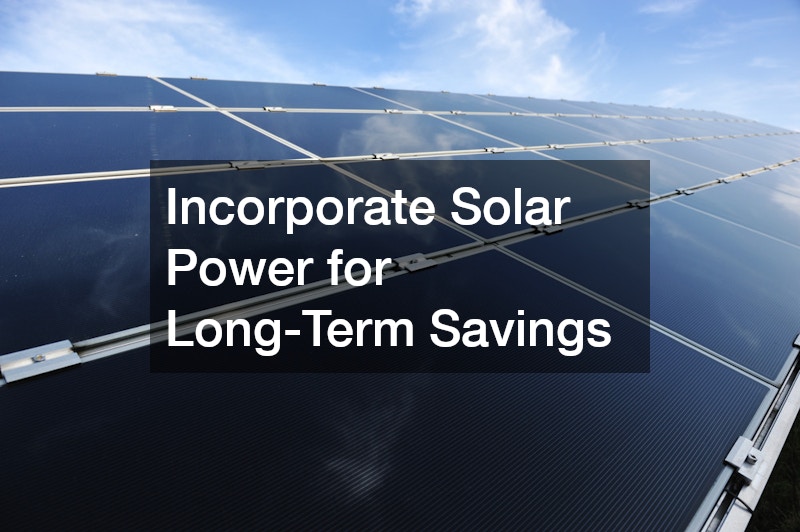
If backup systems provide short-term security, solar energy offers long-term independence.
Adding solar panels allows you to generate your own electricity, reducing reliance on utility companies and protecting yourself from rising rates.
You don’t have to go all-in right away. Many homeowners start with a small system and expand over time.
A consultation with a solar company can help you understand what’s realistic for your home, including:
- Roof orientation and sunlight exposure
- Estimated energy production
- Available incentives or tax credits
One of the most appealing aspects of solar is predictability. While utility costs fluctuate, your solar system produces consistent energy based on sunlight.
Over time, that stability adds up—both financially and in terms of independence.
Repurpose Existing Systems to Reduce Energy Waste
Not every upgrade requires buying something new. Sometimes, the smartest move is making better use of what you already have.
Take your existing air conditioning system, for example. Instead of replacing it immediately, consider how it’s being used.
Could you:
- Limit cooling to peak hours only?
- Use ceiling fans to distribute air more efficiently?
- Close off unused rooms to reduce load?
Even small adjustments like rearranging furniture to improve airflow can make a difference.
You might also find opportunities to repurpose older systems. A unit that’s no longer efficient for the whole home might still work well for a single area, like a workshop or garage.
This approach extends the life of your equipment and reduces unnecessary spending—while still moving you closer to energy independence.
Install an EV Charging Station to Centralize Energy Use
As more households adopt electric vehicles, energy use is shifting. Instead of fueling up at gas stations, you’re now drawing power directly from your home.
Installing a home car charging station allows you to control when and how that energy is used.
For instance, charging overnight during off-peak hours can significantly reduce costs. If paired with solar, you can even power your vehicle using energy generated at home.
There are different charger levels available, ranging from slower, standard options to faster systems that require more robust electrical setups.
The key is matching the charger to your lifestyle. If you commute daily, faster charging may be worth the investment. If you drive less frequently, a simpler setup may suffice.
By centralizing energy use within your home, you gain more control—and reduce reliance on external infrastructure.
Build a Long-Term Energy Independence Plan
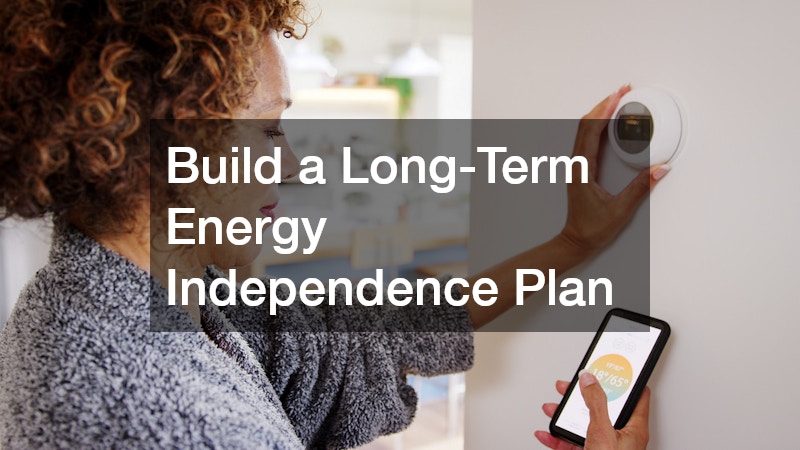
Trying to tackle everything at once can quickly become overwhelming—and expensive. A more effective approach is to divide your upgrades into phases that build on each other.
Think of it as layering improvements:
- Phase 1: Reduce waste
Focus on sealing leaks and improving insulation so you’re not losing energy unnecessarily. - Phase 2: Optimize what you already have
Make your current systems run more efficiently before replacing anything. - Phase 3: Add control and visibility
Introduce tools that help you monitor and adjust usage in real time. - Phase 4: Strengthen reliability
Bring in backup solutions to protect against outages. - Phase 5: Generate your own power
Invest in renewable options once your home is already efficient.
By following this order, you avoid the common mistake of installing new systems in a home that still wastes energy. Each phase makes the next one more effective.
Balance Budget With Long-Term Impact
Not every upgrade delivers the same return. Some projects pay off quickly, while others are more about long-term resilience.
A practical way to prioritize is to ask two questions:
- How much will this reduce my monthly energy use?
- How much will this improve my home’s reliability during disruptions?
For example, sealing and insulation are typically low-cost with fast returns, while renewable energy systems require a higher upfront investment but provide ongoing savings and independence.
It can help to map out rough timelines:
- Short-term (0–6 months): Low-cost fixes and efficiency improvements
- Mid-term (6–18 months): System upgrades and monitoring tools
- Long-term (18+ months): Renewable energy and larger infrastructure
This approach keeps your progress steady without straining your finances.
Know When to Bring in Expert Guidance
While many upgrades can be done yourself, there are key moments when professional insight makes a significant difference.
For example, HVAC contractors can help evaluate whether your current systems are worth upgrading or if replacement would be more cost-effective in the long run. They can also identify inefficiencies that aren’t obvious during a basic inspection.
Similarly, consulting a solar company early—even if you don’t plan to install panels right away—can help you understand how future upgrades should be planned. Things like roof condition, electrical capacity, and energy usage patterns all influence how effective a solar setup will be later.
Bringing in experts at the right time prevents costly missteps and ensures each upgrade fits into a cohesive plan.
Track Energy Use and Adjust Over Time
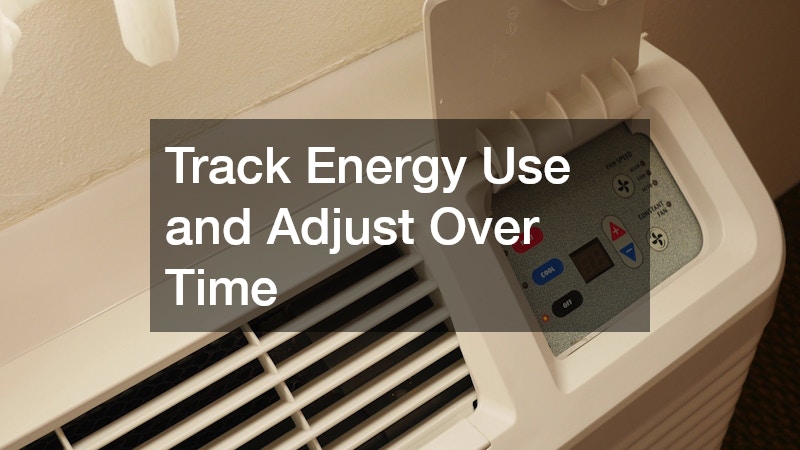
One of the most overlooked parts of energy independence is measurement. Without tracking your progress, it’s difficult to know what’s working and what needs improvement.
Start with simple habits:
- Review your monthly energy bills for trends
- Compare seasonal usage year over year
- Note how changes in behavior affect consumption
If you’ve added monitoring tools, take advantage of the data they provide. Look for patterns like:
- Spikes during certain times of day
- Unexpected increases after adding new devices
- Reductions following specific upgrades
This kind of feedback loop allows you to refine your approach. Instead of guessing, you’re making decisions based on real performance.
Create a Flexible, Evolving Plan
Energy independence isn’t a fixed destination—it’s an ongoing process. Your needs will change over time, whether due to lifestyle shifts, new technology, or rising energy costs.
A flexible plan accounts for that.
For instance, you might start with basic efficiency upgrades, then later decide to add renewable energy as your budget allows. Or you may prioritize backup power first if your area is prone to outages.
Revisit your plan at least once a year and ask:
- What improvements made the biggest difference?
- Where am I still relying heavily on external energy?
- What’s the next most impactful step I can take?
Each adjustment keeps your home moving closer to true independence.
Focus on Progress, Not Perfection
It’s easy to feel like you need to do everything at once to make a meaningful impact—but that’s rarely the case.
Even small improvements compound over time. Sealing a few drafts, adjusting system usage, or adding a single upgrade can all contribute to noticeable changes in both cost and reliability.
The key is consistency. Each step you take reduces waste, increases control, and builds a stronger foundation for future upgrades.
Energy independence isn’t achieved overnight, but with a thoughtful plan and steady progress, it becomes not just possible—but practical.