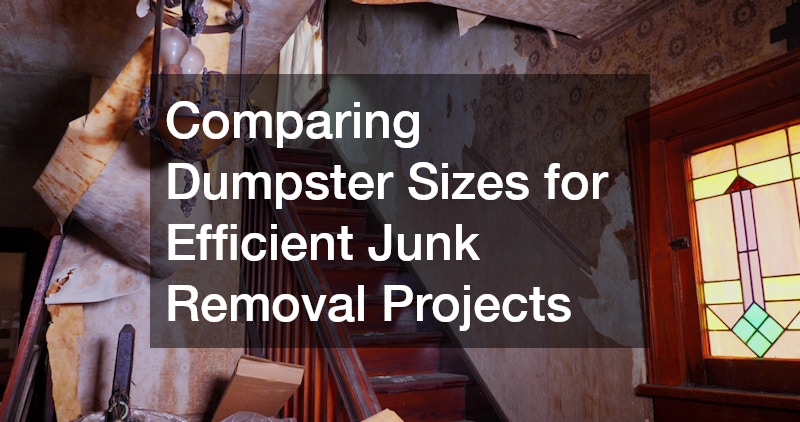
Choosing the right dumpster size can significantly impact how smoothly a cleanup or renovation project runs. Whether you’re clearing out a garage, managing construction debris, or handling a full property cleanout, proper planning helps you avoid unnecessary costs, delays, and logistical headaches. Many homeowners and contractors underestimate how much waste a project generates, which often leads to either overpaying for unused space or needing additional pickups. Understanding how different dumpster sizes work—and how to match them to your project—can make junk removal far more efficient and predictable.
How to Accurately Estimate Your Junk Volume Before Renting

One of the most important steps in any cleanup project is accurately estimating how much waste you’ll generate. Misjudging volume is one of the most common reasons people end up with the wrong container size.
A practical way to estimate is to break your project into categories:
- Furniture and bulky items (couches, mattresses, tables)
- Bagged household junk (clothing, paper, general clutter)
- Construction debris (drywall, wood, tile, roofing)
- Yard waste (branches, soil, sod)
Helpful estimation methods:
- Visualize in pickup truck loads (1 dumpster may equal 4–10 truckloads, depending on size)
- Walk through each room and estimate what percentage will be discarded
- Overestimate slightly if you’re unsure—overflow costs are often higher than slightly larger rentals
Additional tips:
- Break down large items to save space
- Separate heavy materials from light, bulky ones
- Don’t forget hidden waste like attic or basement storage areas
Careful estimation at this stage reduces stress later and ensures smoother scheduling and pickup coordination.
What to Look for When Evaluating Local Providers
Choosing a reliable provider plays a major role in how efficiently your project moves forward. Not all companies offer the same level of service, so it’s important to compare carefully.
When researching options, consider:
- Pricing transparency (flat-rate vs. variable fees)
- Availability and delivery speed
- Customer support responsiveness
- Weight limits and rental terms
Reputable dumpster rental companies will clearly explain:
- What is included in the base price
- How overage fees are calculated
- What materials are restricted
- How long can you keep the container
Also, pay attention to:
- Online reviews and customer feedback
- Whether they are licensed and insured
- Flexibility for schedule changes
A dependable provider ensures fewer surprises and helps your cleanup project stay on track from start to finish.
Understanding Service Packages and What’s Actually Included
Before booking, it’s essential to understand exactly what you’re paying for. Service packages can vary significantly between providers, and unclear terms often lead to unexpected costs.
Most dumpster rental services include:
- Delivery and pickup
- A set rental period
- A weight allowance
- Basic disposal fees
However, watch for additional charges such as:
- Overage weight fees
- Extended rental periods
- Prohibited material penalties
- Fuel or environmental surcharges
To make smarter decisions:
- Ask for a full breakdown of pricing upfront
- Compare at least two or three providers
- Confirm what happens if you finish early or need extra time
A clear understanding of service terms helps you avoid budget surprises and keeps your project financially predictable.
How Roll-Off Delivery and Pickup Systems Actually Work
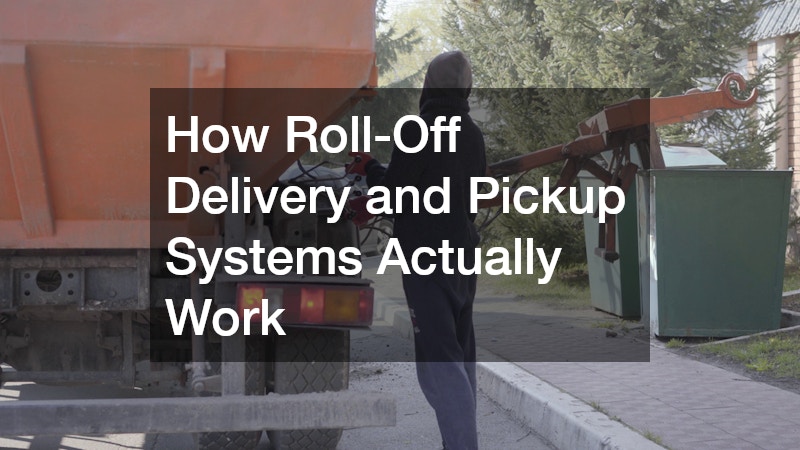
Understanding how delivery and pickup logistics operate helps you plan placement and timing more effectively. Most systems follow a similar process that is simple but requires preparation.
A typical workflow includes:
- Scheduling drop-off time
- Preparing a flat, accessible surface
- Placing protective boards (if required)
- Loading debris within weight limits
- Scheduling pickup once finished
Important considerations:
- Ensure at least 10–15 feet of vertical clearance for placement
- Avoid blocking driveways or utility access
- Check local permit requirements if placing on public property
Using roll-off container rental options is especially helpful for projects with large or irregular waste volumes, as they are designed for easy loading and efficient hauling.
Common Dumpster Types and How They Are Used on Job Sites
Different projects require different container types, and understanding these distinctions can help you choose more effectively.
A standard dumpster typically comes in open-top or enclosed variations, each serving different purposes.
Key differences include:
- Open-top containers for bulky debris and construction waste
- Enclosed containers for controlled disposal environments
- Weight-rated limits based on material type
Typical uses:
- Home renovations
- Roofing projects
- Commercial cleanouts
- Landscaping work
A dumpster is essentially a temporary waste container designed for large-volume disposal, making it far more efficient than standard trash collection for big projects.
Choosing the Right Open-Top Container for Your Project Scope
Open-top containers are among the most commonly used options for construction and cleanup projects due to their versatility and ease of access.
Advantages of roll-off dumpsters include:
- Easy loading from the top
- Suitable for heavy or irregular materials
- Available in multiple sizes for different project scopes
- Efficient removal and replacement scheduling
Best practices when using them:
- Distribute weight evenly to avoid tipping fees
- Break down materials to maximize space
- Avoid overfilling past the rim line
These containers are especially useful for projects involving demolition, remodeling, or large-scale cleanouts where waste volume fluctuates throughout the job.
Working with Local Waste Haulers for Faster Turnaround
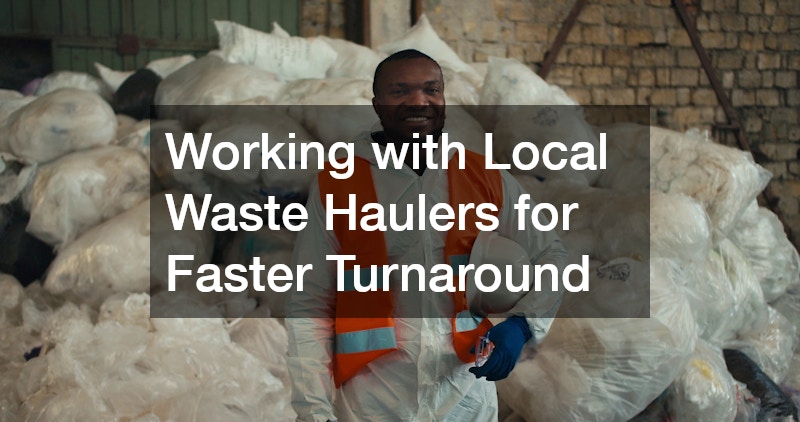
Speed and responsiveness can make a major difference in project efficiency. Working with nearby providers often results in faster service and better communication.
A local garbage removal service typically offers:
- Quicker delivery and pickup times
- Better familiarity with regional disposal regulations
- More flexible scheduling options
- Personalized customer support
Benefits of choosing local providers:
- Reduced transportation delays
- Lower fuel-related costs
- Easier coordination for multiple pickups
For time-sensitive projects, this local advantage can help keep cleanup phases aligned with construction or renovation timelines.
When Professional Junk Hauling Makes More Sense Than DIY Loading
In some situations, renting a dumpster isn’t the only option, especially when the project involves limited time, physical strain, or logistical challenges. Full-service hauling can be more efficient depending on project size and physical demands because it shifts the labor burden from the property owner or crew to trained professionals who specialize in rapid removal and disposal.
Benefits of professional help:
- No need for manual loading, which is especially helpful when dealing with heavy furniture, appliances, or dense construction debris
- Faster removal of heavy or bulky items since teams are equipped to lift, carry, and transport items in a single coordinated process
- Reduced risk of injury by avoiding repetitive lifting, awkward carrying angles, or unsafe stacking of materials
- Ideal for tight timelines where clearing a space quickly is more important than gradual loading or staged disposal
Situations where junk removal services are best:
- Estate cleanouts that involve sorting through large volumes of personal belongings, furniture, and mixed household waste under time constraints
- Hoarding situations where accumulated items require structured removal and careful handling to safely clear living spaces
- Office relocations that require the rapid disposal of outdated furniture, electronics, and bulk office materials without disrupting business operations
- Projects with limited access or manpower, such as properties without driveways, upper-floor units, or locations where dumpster placement is impractical
In many real-world projects, combining dumpster use with junk removal services can also create a hybrid approach that maximizes efficiency while reducing physical workload. For example, professionals may handle large, difficult-to-move items, while a dumpster is used for ongoing debris generation during renovations or cleanouts. This approach helps streamline workflow, reduces downtime, and ensures that both immediate and ongoing waste disposal needs are addressed effectively.
Best Use Cases for Mid-Sized Cleanup Projects
Mid-sized dumpsters are often the most versatile option for homeowners and contractors because they strike a practical balance between capacity and manageability. They are large enough to handle meaningful volumes of debris, yet still compact enough to fit comfortably in most residential settings without causing major access or placement issues. This makes them especially useful for projects where waste generation is steady but not extreme.
A 20-yard dumpster rental is commonly used for:
- Kitchen or bathroom remodels where cabinetry, fixtures, and flooring are removed and replaced
- Garage cleanouts involving accumulated household items, tools, and storage clutter
- Flooring replacements that generate bulky but compressible materials like carpet, tile, or hardwood
- Medium landscaping projects, such as removing soil, shrubs, small trees, or yard restructuring debris
Why it works well:
- Balanced capacity for mixed debris, allowing users to combine light, bulky items with denser materials without quickly exceeding space limits
- Fits in most residential driveways, making it practical for suburban neighborhoods or homes with standard parking areas
- Easier to fill without overloading, reducing the risk of exceeding weight limits or creating unsafe stacking conditions
To maximize efficiency:
- Load flat materials first, such as plywood, drywall, or doors, to create a stable base layer
- Break down furniture and cabinetry into smaller components, so they stack more efficiently and eliminate wasted air gaps
- Keep heavy debris at the bottom to maintain stability and prevent shifting during loading or transport
This size is often considered the “sweet spot” for many residential renovation projects because it provides enough flexibility to handle a wide range of materials without the inefficiency or cost of oversized containers.
Planning for Large-Scale Renovations and Construction Debris

For major projects, capacity becomes a critical factor because waste generation is not only higher but also more unpredictable. Renovations and construction work often produce debris in phases, meaning the volume can spike suddenly during demolition and then taper off during finishing stages. Having enough capacity from the start helps keep the job site organized and reduces interruptions that can slow down progress.
A 30-yard dumpster rental is ideal for:
- Whole-home renovations where multiple rooms are being gutted or remodeled at once
- New construction debris, including framing scraps, packaging waste, and leftover building materials
- Large demolition projects where structural components like drywall, flooring, and cabinetry are removed in bulk
- Commercial cleanouts such as office renovations, retail space turnover, or warehouse reorganization
Key advantages:
- High volume capacity reduces pickup frequency, allowing crews to focus on work instead of coordinating repeated hauls.
- Handles heavy materials like framing and roofing, making it suitable for dense, construction-grade waste without quickly reaching limits.
- Suitable for long-duration projects where debris accumulates steadily over weeks rather than days.
Best practices:
- Schedule pickups in advance to maintain a continuous workflow and prevent the container from reaching capacity at critical stages.
- Separate recyclable materials when possible, such as clean wood, metal, or cardboard, to improve efficiency and potentially reduce disposal costs.
- Avoid mixing prohibited materials to prevent delays, additional fees, or rejected loads at disposal facilities.
This size helps prevent project delays caused by overflow or frequent hauling interruptions, which can otherwise disrupt contractor schedules, extend timelines, and create unnecessary downtime on active job sites.
Space-Saving Solutions for Small Cleanouts and Tight Driveways
Not every project requires a large container. Smaller options are ideal for limited space or minor cleanup tasks, but they can still handle a surprising amount of debris when used strategically. The key is understanding how to maximize every cubic foot so you don’t run out of room prematurely or need a second container.
A small dumpster rental works well for:
- Apartment cleanouts where hallways, elevators, and parking restrictions limit access
- Minor yard work like trimming shrubs, removing small branches, or clearing seasonal debris
- Small remodeling projects, such as bathroom updates or replacing fixtures
- Decluttering single rooms like bedrooms, home offices, or storage areas
In these situations, the goal is efficiency rather than volume. Smaller containers help keep projects contained and manageable without overwhelming the space or workflow.
Benefits include:
- Easy driveway or curb placement, especially in tighter residential layouts where space is limited
- Lower cost for short-term use, making it budget-friendly for quick projects that don’t require extended rental periods
- Faster loading and pickup cycles, which help maintain momentum and keep the work area clear sooner
Because the container is more compact, it naturally encourages more intentional loading, reducing wasted space and improving organization during cleanup.
Tips for efficiency:
- Pack items tightly to maximize space, filling gaps with smaller debris rather than leaving unused pockets of air.
- Break down cardboard and furniture so that large items don’t consume unnecessary volume and can be stacked more effectively.
- Load frequently to avoid pile-ups, keeping the workspace safe and preventing last-minute rushing that leads to inefficient packing.
This option is especially useful for urban or space-restricted environments where larger containers are impractical. Narrow driveways, limited street parking, and shared residential spaces often make compact dumpsters the most realistic choice, allowing projects to proceed smoothly without logistical complications.
Conclusion
Selecting the right dumpster size is one of the most important decisions in any junk removal or renovation project. By accurately estimating waste, understanding service options, and matching container size to project scope, you can significantly improve efficiency and reduce costs. Whether handling a small residential cleanup or a large construction job, thoughtful planning ensures a smoother process from delivery to final pickup.