
Renovating an older property can be an exciting opportunity to restore character, improve functionality, and create a more comfortable home. However, older homes often come with issues that are not immediately visible. Aging plumbing, outdated electrical systems, settling foundations, worn roofing materials, inefficient drainage, and aging septic systems can all affect the scope and cost of a renovation.
The best way to approach an older property renovation is to begin with a thorough assessment rather than immediately focusing on cosmetic improvements. Understanding the condition of the property’s major systems can help you prioritize repairs, establish a realistic budget, and avoid expensive surprises later in the project. From evaluating the local well pump service to hiring the right excavating contractor, each step can play an important role in the long-term success of the renovation.
Assessing Your Property’s Well Pump and Water System

Identifying Potential Well Pump Issues
For properties that rely on a private well, the water system should be one of the first areas evaluated during a renovation. A failing well pump can cause low water pressure, inconsistent water flow, unusual noises, or complete loss of water. These problems may be caused by the pump itself, the pressure tank, electrical components, or issues with the well.
If you notice sputtering faucets, cloudy water, frequent pump cycling, or a sudden change in water pressure, it may be time to contact a local well pump service. Addressing these problems early can prevent interruptions during the renovation and help you determine whether the system needs a minor repair or a more substantial replacement.
Scheduling Inspections and Water Quality Tests
A professional inspection can reveal issues that may not be apparent to a homeowner. A technician can evaluate the pump, pressure tank, wiring, well components, and overall water delivery system. Water quality testing is also important, especially in older properties that may have aging plumbing or a history of unknown maintenance.
Testing can identify bacteria, minerals, metals, and other contaminants. Knowing the condition of the water before completing a renovation allows you to plan for filtration systems or other improvements if necessary. You should also ask for a detailed cost estimate if the pump requires repair or replacement.
Regular maintenance can extend the life of a well system. Professional inspections, monitoring pressure changes, and addressing unusual pump behavior early can help prevent more serious problems in the future.
Understanding the Need for House Leveling
Recognizing Signs of Foundation Problems
Older homes can settle over time, particularly if they were built on soil that shifts, expands, or contracts. Uneven floors, doors that no longer close properly, cracks in walls, and gaps around windows may indicate foundation movement. In some cases, these issues may be cosmetic, but they can also point to serious structural problems.
House leveling is a process used to correct certain types of foundation settlement and restore a structure to a more stable position. Before any work begins, the property should be evaluated by an experienced professional who can identify the cause of the movement.
A proper assessment is important because not every crack or uneven surface indicates that leveling is necessary. Soil movement, drainage problems, foundation deterioration, and structural design can all contribute to changes in a home. Understanding the underlying cause helps homeowners choose the right solution instead of treating only the visible symptoms.
Evaluating Leveling Methods and Costs
The appropriate leveling method depends on the foundation type, soil conditions, the extent of settlement, and the structure of the home. Some properties may require hydraulic lifting, pier systems, shimming, or other specialized techniques.
The cost of a leveling project can vary significantly. Homeowners should obtain a detailed assessment and written estimate before authorizing work. Although house leveling can represent a major expense, correcting foundation problems early may help prevent worsening damage to walls, floors, plumbing connections, and other parts of the property.
A properly re-leveled property can provide improved structural stability and make future renovations more predictable. It can also help protect the investment you are making in other improvements throughout the home.
Planning Outdoor Screen Enclosures
Determining the Right Size and Design
Older properties often have outdoor spaces that can be improved without changing the structure of the home itself. Outdoor screen enclosures can create comfortable areas for relaxing, entertaining, and enjoying the outdoors while reducing exposure to insects and certain weather conditions.
When planning an enclosure, consider how the space will be used. A small screened porch may be sufficient for seating, while a larger enclosure may be appropriate for outdoor dining or a pool area. The design should complement the existing architecture instead of appearing disconnected from the property.
The placement of the enclosure should also be considered carefully. Homeowners should think about sun exposure, prevailing winds, views from the home, access points, and how the new structure will interact with existing landscaping. These details can have a significant impact on how comfortable and useful the finished space will be.
Selecting Materials and Considering Local Requirements
Materials should be selected based on durability, appearance, and the local climate. Aluminum framing is common because it is relatively lightweight and resistant to many weather conditions. Screening materials can also vary depending on the desired level of durability and visibility.
Before beginning construction, check local permitting and zoning requirements. An enclosure may be subject to setbacks, height restrictions, or building regulations. Planning these requirements early can prevent delays.
A well-designed enclosure can also improve the property’s appeal and usability. While the return on investment will depend on the local market and quality of the project, functional outdoor living space can be an attractive feature for future buyers.
Choosing a Reliable Septic Installation Company

Researching Contractors and Installation Processes
If an older property relies on a septic system, the condition of that system should be evaluated before major renovation work begins. A failing or undersized septic system can create serious problems, particularly if a renovation will increase the number of occupants or bathrooms in the home.
When a new system is needed, research each septic installation company carefully. Look for companies with appropriate licensing, relevant experience, and knowledge of local soil and permitting requirements. The installation process may involve soil testing, site evaluation, system design, permitting, excavation, installation, and final inspections.
A reputable septic installation company should be willing to explain the process and identify any factors that could affect the project. Soil composition, property size, groundwater conditions, and local regulations may all influence the type of system that can be installed.
Comparing Quotes and Planning for Maintenance
Getting multiple quotes can help you understand the expected cost and scope of the work. However, the lowest estimate is not always the best choice. A contractor who provides a detailed proposal and clearly explains the installation process may offer better value than one who gives a vague, unusually low estimate.
Customer feedback and references can provide additional insight into a company’s reliability. After installation, proper maintenance remains essential. Regular pumping, careful monitoring of water usage, and avoiding the disposal of harmful materials down drains can help protect the system for years to come.
Selecting a Local Roofing Contractor
Evaluating Qualifications and Material Options
The roof is one of the most important systems to evaluate in an older property. A roof that appears acceptable from the ground may still have hidden leaks, deteriorated underlayment, damaged flashing, or structural concerns.
When selecting a local roofing contractor, verify licensing and insurance requirements applicable to your area. You should also ask about previous projects and request references when appropriate. A reputable contractor should be able to explain the condition of the existing roof and provide clear recommendations.
Older properties may be suitable for a variety of roofing materials, including asphalt shingles, metal roofing, tile, or other options. The right choice depends on the structure, climate, budget, appearance, and expected service life. Warranties should also be reviewed carefully because coverage can vary between materials and installation methods.
Planning for Timelines and Unexpected Problems
Roofing projects can uncover issues that were not visible during the initial inspection. Rotten decking, damaged rafters, inadequate ventilation, and hidden water damage may require additional work. Discuss how unexpected conditions will be handled before the project begins.
A clear timeline can also help coordinate the roof with other renovation tasks. For example, exterior painting, siding work, insulation improvements, and certain interior repairs may be easier to schedule around the roofing project.
Working with a local roofing contractor can also provide practical advantages. Professionals familiar with the area may understand regional weather patterns, common building styles, and local permitting expectations. This knowledge can be especially valuable when renovating a property that was built under older construction standards.
Considering Pipe Lining Services for Aging Plumbing
Comparing Lining With Traditional Replacement
Older properties frequently contain aging pipes that may be corroded, cracked, or partially obstructed. Traditional replacement often requires extensive excavation or demolition, particularly when pipes are located beneath floors, driveways, or landscaping.
Pipe lining services can provide an alternative in certain situations. This process typically involves preparing the existing pipe and installing a durable lining inside it. The lining can create a new interior surface without requiring the entire pipe to be removed.
However, pipe lining is not suitable for every situation. The condition, size, material, and location of the existing pipe must be evaluated first. Severe collapses or certain types of damage may still require traditional replacement.
Evaluating Durability and Cost
The longevity of a lined pipe depends on the materials used, the installation quality, and the conditions within the plumbing system. Homeowners should ask contractors about expected service life, warranties, and maintenance requirements.
The cost comparison should account for more than the price of materials. Pipe lining may reduce excavation, demolition, restoration, and labor costs in certain projects. Finding experienced professionals is important because proper preparation and installation directly affect the performance of the finished system.
For homeowners attempting to preserve historic landscaping, finished floors, or other features of an older property, pipe lining may be particularly appealing when the existing pipe can be rehabilitated instead of completely removed.
Reviewing Homeowners Insurance Before Renovations
Understanding Coverage and Renovation Risks
Homeowners insurance should be reviewed before major renovation work begins. Standard policies may have limitations related to construction, vacant properties, certain types of damage, or contractor-related incidents.
Contact your insurance company to discuss the planned renovation and determine whether additional coverage is necessary. You may need to understand how the policy addresses fire, theft, water damage, construction materials, and other risks during the project.
It is also important to confirm that contractors working on the property maintain appropriate insurance. While this does not replace your own coverage, verifying contractor insurance can help clarify responsibilities if an accident or property damage occurs during construction.
Communicating With Your Insurer
Keeping your insurance company informed can help prevent misunderstandings if damage occurs during the renovation. You should also maintain records of contracts, receipts, permits, and photographs of the property before work begins.
Once the renovation is complete, your policy may need to be updated. Major improvements can affect the replacement cost of the property, and failing to update coverage could create problems if a future claim occurs.
Using Local Resources and Contractors
Building a Reliable Local Team
Renovating an older property often requires multiple professionals. Local contractors and suppliers can provide valuable knowledge about regional building practices, weather conditions, soil types, permitting requirements, and commonly used materials.
When hiring local professionals, compare experience, references, communication, and pricing. Local businesses may also have established relationships with suppliers and other tradespeople, which can make project coordination easier.
Using local resources may also help keep communication more direct. A contractor who regularly works in the area may already understand common challenges affecting older homes nearby, including regional foundation conditions, drainage issues, or weather-related wear.
Accounting for Local Regulations and Conditions
Local regulations can affect nearly every major renovation decision. Building permits, septic requirements, zoning rules, environmental regulations, and historic property restrictions may all apply depending on the property and location.
A project timeline should account for inspections, permit approvals, material availability, and seasonal conditions. Working with professionals familiar with the area can help you identify these considerations earlier in the planning process.
Installing New Gutters on an Older Property
Preventing Water and Foundation Damage
Gutters are easy to overlook during a renovation, but they play a major role in protecting an older property. Damaged or undersized gutters can allow rainwater to collect near the foundation, contributing to erosion, basement moisture, settlement, and other problems.
New gutters can redirect water away from the home and help protect the roof, siding, landscaping, and foundation. The appropriate size and style depend on the roof design, rainfall patterns, and appearance of the property.
Older homes may also have gutter systems that were installed before modern drainage improvements became common. Replacing them can provide an opportunity to correct poor downspout placement, inadequate slope, and other design issues that may have contributed to water damage over time.
Planning Installation and Long-Term Maintenance
Gutter installation should include properly positioned downspouts and adequate drainage away from the foundation. Gutters should also be inspected and cleaned regularly to prevent clogs caused by leaves, branches, and other debris.
For an older property, new gutters can improve both function and appearance. Coordinating gutter installation with roofing or exterior renovation work may also make the overall project more efficient.
Working With an Excavating Contractor
Preparing the Site and Addressing Drainage
An excavating contractor can play an important role in many older property renovations. Excavation may be necessary for septic installation, foundation work, drainage improvements, utility installation, demolition, or site grading.
Before work begins, the contractor can help evaluate soil conditions and identify potential drainage concerns. Proper grading is particularly important because water should generally be directed away from the foundation rather than toward it.
An excavating contractor may also help homeowners prepare the property for other major projects. Removing old concrete, clearing debris, preparing foundations, and creating access for underground utilities can all require specialized equipment and planning.
Coordinating Excavation With Other Renovation Work
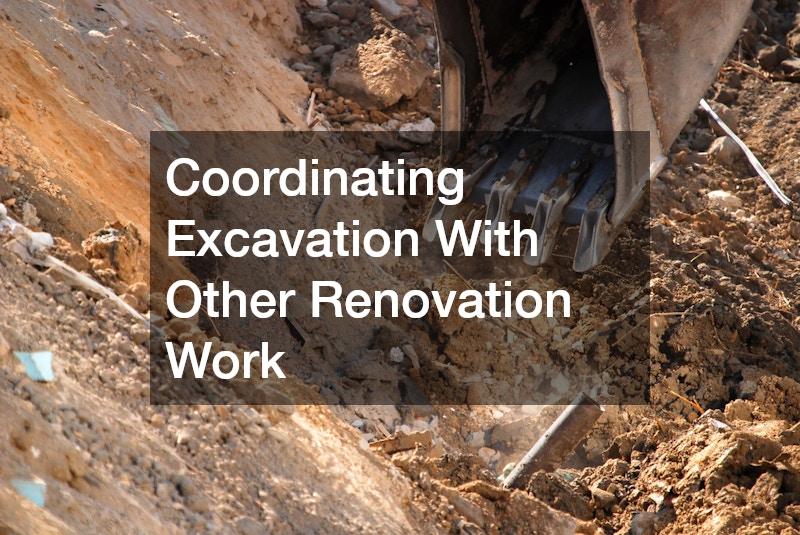
Excavation can also be used to remove old structures, foundations, concrete, debris, and other materials that are no longer needed. Careful coordination is necessary because excavation work can affect plumbing, electrical systems, landscaping, driveways, and other parts of the property.
An experienced excavating contractor should also be familiar with applicable environmental and safety requirements. Proper planning can help prevent damage to underground utilities and reduce unnecessary disruption to the surrounding property.
Because excavation often affects multiple phases of a renovation, scheduling is especially important. Completing underground work before new landscaping, driveways, patios, or other finished surfaces are installed can help prevent unnecessary damage and additional costs.
Closing Thoughts
Renovating an older property should begin with understanding what is already there. Before focusing exclusively on finishes, fixtures, paint colors, or decorative improvements, homeowners should evaluate the major systems that support the property.
A local well pump service can identify water system problems. House leveling may address foundation movement. Outdoor screen enclosures can improve livability, while a properly installed septic system can provide dependable wastewater management. Roofing, plumbing, homeowners insurance, gutters, excavation, and local contractor selection all deserve careful attention as well.
The most successful renovation projects are built on thorough planning and realistic expectations. Older properties often have character and potential that newer homes cannot easily replicate, but that potential comes with the responsibility of addressing aging infrastructure. By evaluating the property systematically, hiring qualified professionals, understanding local requirements, and coordinating projects carefully, homeowners can create a safer, more functional, and more valuable home while preserving the qualities that made the older property appealing in the first place.