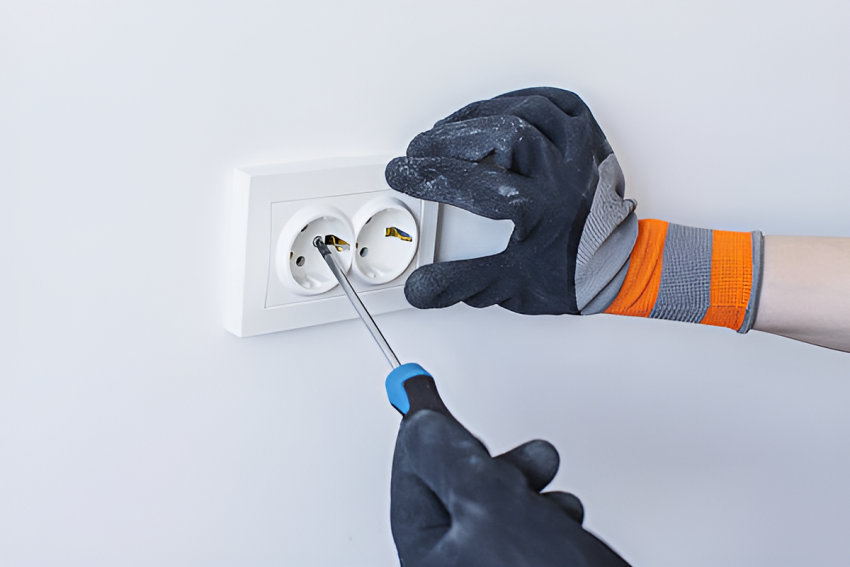
- Loose outlets can be a serious safety hazard, potentially causing sparks, short circuits, or fires.
- Always turn off the power at the breaker and verify with a voltage tester before working on an outlet.
- Tightening outlet screws, checking wiring connections, and using spacers or shims can often fix a loose outlet without replacement.
- Frayed or damaged wiring should be repaired or replaced, as improper connections can create serious risks.
- Replacing old or worn outlets is sometimes the safest and most effective solution.
- Test the outlet after repairs to ensure plugs fit snugly and the outlet functions properly.
- Regular maintenance and gentle use can prevent future loosening, but persistent issues or complex wiring problems should be handled by a professional electrician.
Loose outlets are more than just a nuisance—they can be a safety hazard. Wobbly plugs can cause sparks, short circuits, or even electrical fires. Fortunately, fixing a loose outlet is a task that many homeowners can handle with basic tools and a bit of know-how. This guide will walk you through everything you need to know to fix loose outlets safely.
Why Are Outlets Loose in the First Place?
Before diving into fixes, it helps to understand why outlets get loose. Here are the most common reasons:
- Wear and tear: Over time, the internal contacts of outlets can become worn out, making it difficult for plugs to stay in place.
- Loose mounting screws: Outlets are held in place by screws attached to the electrical box. These can loosen over time.
- Old or damaged wiring: If the wires inside the outlet are frayed or improperly connected, the outlet may feel loose.
- Frequent use: Outlets that are used often, especially for heavy appliances, can loosen more quickly.
Understanding the root cause will help you choose the right fix.
What Tools Will You Need to Fix a Loose Outlet?
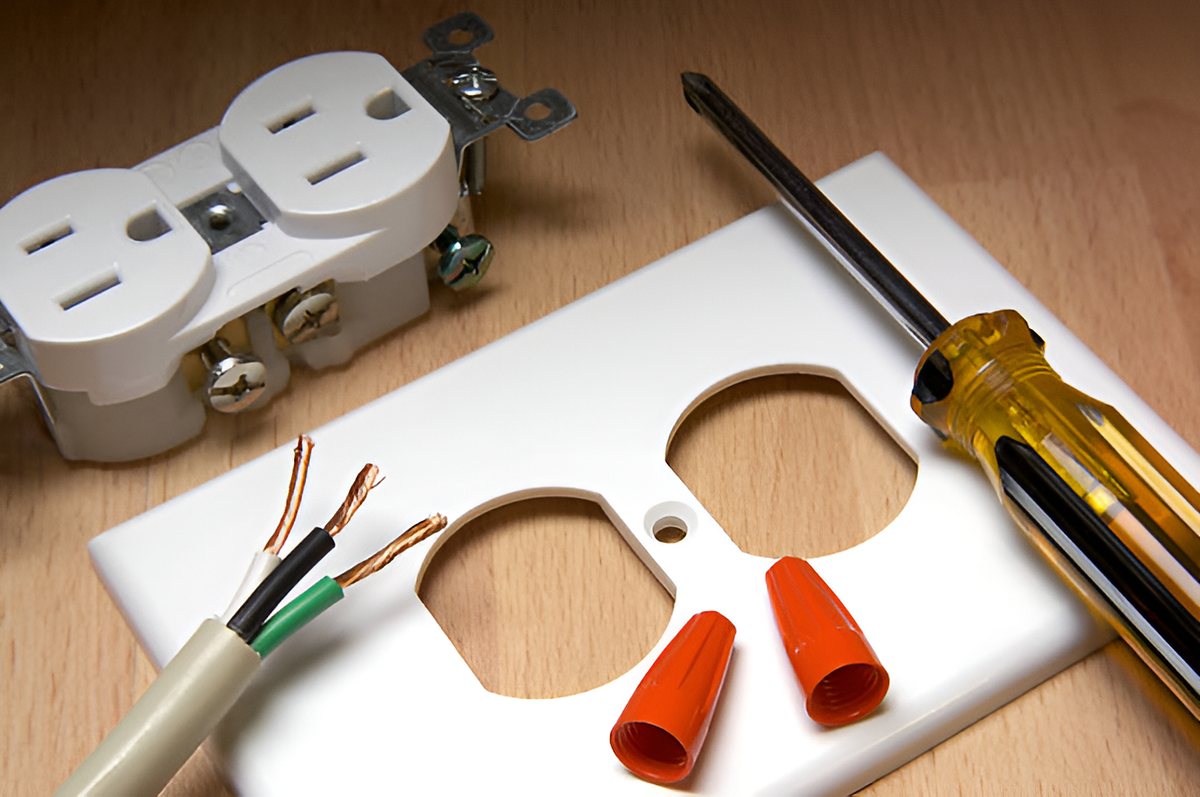
Having the right tools makes the job safer and easier. Here’s what you’ll need:
- Screwdrivers (flathead and Phillips)
- Needle-nose pliers
- Voltage tester
- Electrical tape
- Wire strippers (if replacing wiring)
- Outlet spacers or shims (optional)
- Replacement outlet (if needed)
Safety is key, so don’t skip on quality tools.
Is It Safe to Fix a Loose Outlet Yourself?
Many homeowners can safely fix a loose outlet, but only if they follow proper precautions. Here are some safety tips:
- Turn off the power: Always switch off the breaker for the outlet you are working on.
- Test the outlet: Use a voltage tester to confirm no power is running to the outlet.
- Avoid damaged wiring: If the wiring is frayed or severely damaged, it’s safer to replace the outlet or call a professional.
By taking these precautions, you can minimize the risk of electrical shock.
How to Fix Loose Outlets: 7 Steps
Step 1: Turn Off the Power
Safety comes first. Follow these steps:
- Locate your home’s breaker box.
- Identify the breaker for the outlet you’re fixing.
- Switch it off.
- Test the outlet with a voltage tester to ensure no electricity is running through it.
Never skip this step—it’s the most important part of the process.
Step 2: Remove the Outlet Cover and Inspect
Next, remove the cover plate by unscrewing it with a screwdriver. Once removed:
- Check for obvious signs of wear or damage.
- Look for loose screws or wires.
- Inspect the electrical box to ensure it is securely attached to the wall.
This inspection will tell you whether the outlet needs a minor adjustment or a full replacement.
Step 3: Tighten the Outlet Screws
Sometimes the solution is as simple as tightening the screws that hold the outlet in place. Here’s how:
- Use a screwdriver to tighten the screws on the sides of the outlet.
- Make sure the screws securing the outlet to the electrical box are snug.
- Avoid overtightening, which could crack the outlet or strip the screws.
If tightening screws doesn’t solve the problem, you may need to adjust the electrical box or replace the outlet.
Step 4: Check the Wiring Connections
Loose wiring can cause outlets to wobble or fail. Carefully examine the wires:
- Ensure the wires are properly inserted into the outlet terminals.
- Tighten any loose terminal screws.
- If wires are frayed, strip back the insulation and reattach securely.
- Use electrical tape around exposed wires for added safety.
Proper wiring is critical to avoid sparks or short circuits.
Step 5: Use Outlet Spacers or Shims if Needed
Sometimes, the outlet may fit loosely due to the wall or electrical box being recessed. In this case:
- Use outlet spacers or shims to fill the gap.
- Place them behind the outlet before tightening it down.
- This provides a snug fit and prevents plugs from wobbling.
Shims are inexpensive and make a big difference in stability.
Step 6: Replace the Outlet if Necessary
If the outlet is old, damaged, or still loose after adjustments, replacement is the best option. Here’s how to replace an outlet:
- Turn off power and verify with a voltage tester.
- Remove the screws and gently pull the outlet from the wall.
- Disconnect the wires from the old outlet.
- Connect the wires to the new outlet, matching color-coded wires (black to brass, white to silver, green/bare to ground).
- Secure the outlet with screws.
- Reattach the cover plate.
Replacing an old outlet can prevent future problems and improve safety.
Step 7: Test the Outlet
Once everything is tightened or replaced:
- Turn the breaker back on.
- Plug in a small appliance or use a voltage tester to check the outlet.
- Ensure that plugs fit snugly and there is no movement.
Testing ensures that the fix worked and that the outlet is safe to use.
Common Mistakes to Avoid When Fixing Loose Outlets
Even experienced DIYers can make mistakes. Avoid these pitfalls:
- Not turning off the power: Always turn off the breaker.
- Overtightening screws: This can damage the outlet or wall.
- Ignoring frayed wires: Damaged wiring should be replaced, not ignored.
- Skipping testing: Never assume the outlet is safe—always test.
- Using the wrong outlet type: Make sure the replacement outlet matches your needs (e.g., grounded vs. ungrounded, GFCI for wet areas).
Awareness of these mistakes helps you fix outlets safely and effectively.
How to Prevent Loose Outlets in the Future
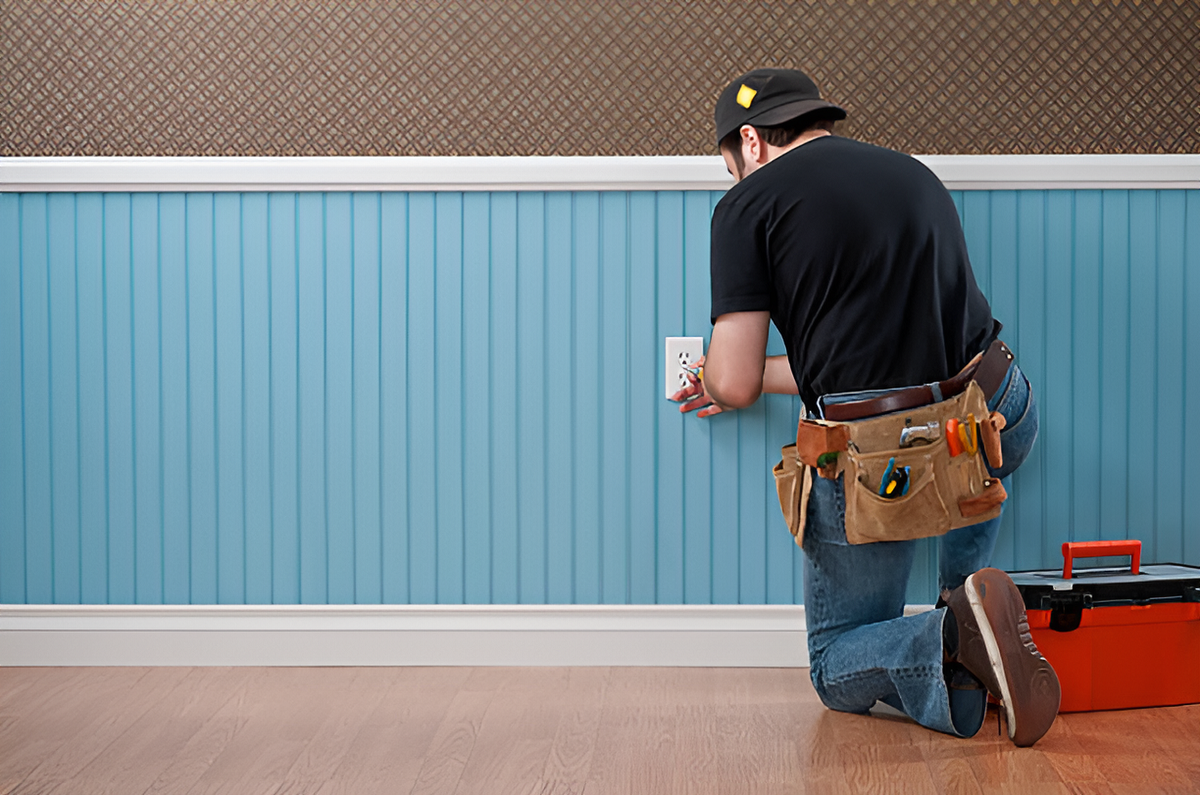
Once you’ve fixed the outlet, take steps to prevent it from loosening again:
- Avoid yanking cords; gently plug and unplug devices.
- Check outlet screws periodically.
- Replace old outlets before they become a problem.
- Use outlet covers to protect against wear, especially in high-traffic areas.
- Consider tamper-resistant outlets for added safety and longevity.
Proactive maintenance can save time, money, and reduce safety risks.
When to Call a Professional
While many loose outlets can be fixed safely at home, certain situations require professional help:
- Persistent sparking or flickering outlets
- Signs of water damage or corrosion
- Outlets that trip breakers repeatedly
- Complex wiring issues or outdated electrical systems
An electrician can handle these safely, ensuring your home’s electrical system stays secure.
Safety Tips and Best Practices
- Always double-check that power is off.
- Keep a fire extinguisher nearby when working on electrical projects.
- Wear insulated gloves if you’re handling wires.
- Use tools with insulated handles.
- Work in a well-lit area to avoid mistakes.
Following best practices reduces risks and ensures a smooth DIY repair.
How Much Does It Cost to Fix a Loose Outlet?
Fixing a loose outlet yourself is very affordable:
- Outlet screws or shims: $2–$5
- Replacement outlet: $3–$10 for a standard outlet, $10–$20 for GFCI or specialty outlets
- Tools (if you don’t already have them): $10–$50
Hiring a professional may cost $75–$150 per outlet, so DIY can save money if done safely.
Closing Thoughts
Fixing loose outlets is a manageable DIY project that can improve safety and functionality in your home. By understanding the causes, using the right tools, following safety precautions, and knowing when to replace an outlet or call a professional, you can handle this task confidently. Regular maintenance and gentle use will also help your outlets last longer, keeping your home safe and your electrical system in top shape.