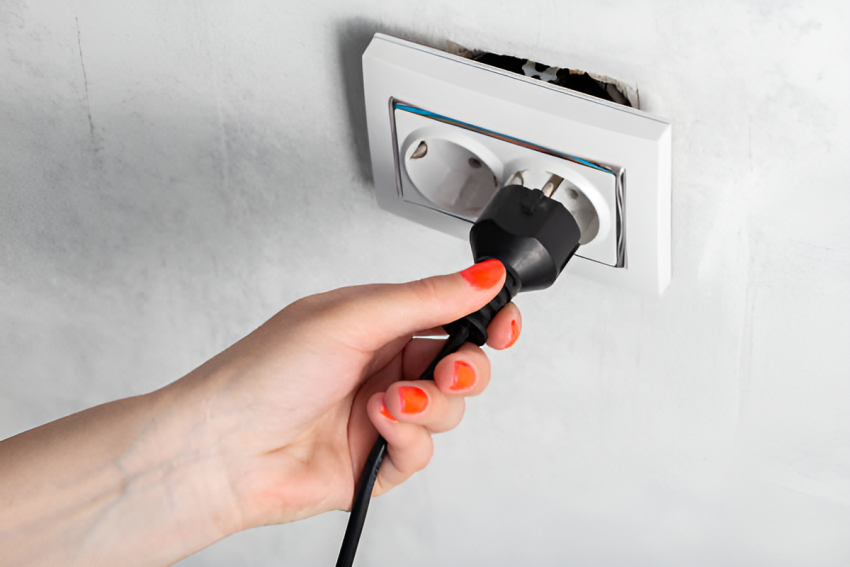
- Loose outlets are a safety hazard, not just an inconvenience – they can cause sparks, overheating, and even fire if left unchecked.
- Common causes include wear and tear, poor installation, frequent use, loose wiring, and physical damage – understanding the root cause helps prevent future issues.
- Key signs of a loose outlet: wobbly plugs, sparks or arcing, burn marks, heat, intermittent power, buzzing sounds, and moving faceplates.
- Regular inspections and maintenance are essential – check outlets at least once a year, tighten screws, and replace worn outlets promptly.
- Use proper plugs and avoid excessive force – forcing plugs or yanking cords can damage contacts and worsen looseness.
- Upgrade outlets for safety and functionality – consider GFCI, AFCI, tamper-resistant, or smart outlets to protect your home and family.
- Call a licensed electrician for serious issues – sparks, overheating, damaged wiring, or frequent breaker trips require professional attention.
Electrical outlets are some of the most used components in your home. From charging devices to powering appliances, they handle daily electrical loads. But have you ever noticed your outlet wobbling when you plug in a device or the plug falling out unexpectedly? Loose outlets aren’t just annoying—they can be a safety hazard. In this guide, we’ll explore why outlets get loose, the warning signs, and what you can do to prevent potential electrical hazards.
Why Do Outlets Get Loose?
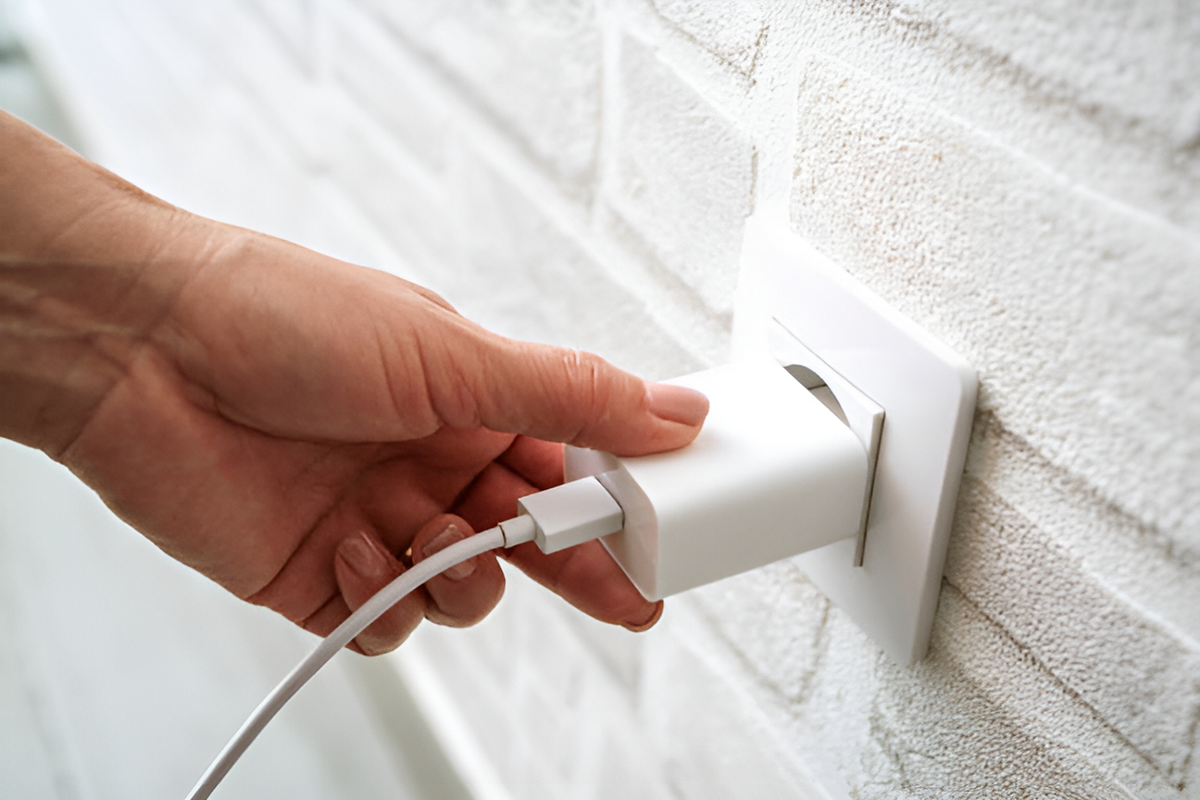
Outlets don’t just loosen randomly; several factors contribute to their instability over time. Understanding these causes is essential not only for convenience but also for home safety. A loose outlet can lead to sparks, overheating, and even electrical fires if left unchecked. Let’s break down the most common reasons outlets get loose.
1. Wear and Tear
Every time you plug in or remove a device, the outlet’s internal metal contacts flex slightly to grip the plug. Over time, these contacts naturally lose tension, especially in older outlets or those subjected to heavy daily use.
- High-traffic areas like kitchens, living rooms, or home offices experience constant plug-ins and removals.
- Repeated stress on the internal contacts causes them to spread out, reducing their grip.
- Signs of wear include plugs that wobble, fall out easily, or outlets that no longer hold heavier appliances securely.
This is why even outlets that are only a few years old can sometimes feel loose if they are in a heavily used location.
2. Poor Installation
Improper installation can accelerate outlet looseness and create a hidden safety risk. Some common installation mistakes include:
- Screws not tightened fully, leaving the outlet free to move in the wall box.
- Outlet boxes not securely anchored to the wall studs.
- Using the wrong size screws for the outlet or wall box.
Even minor errors can lead to movement every time a plug is inserted or removed. Over time, the outlet may wiggle more, making the problem worse and potentially loosening internal wiring connections.
3. Frequent Use
Certain outlets see far more activity than others. Think about:
- Charging stations in bedrooms or living areas.
- Office setups with multiple devices plugged in and unplugged daily.
- Entertainment areas for gaming consoles, TVs, and sound systems.
Frequent use increases stress on the outlet’s contacts and the mounting screws, naturally leading to a looser fit over time. The more often an outlet is used, the faster it can wear out.
4. Loose Wiring
Sometimes the issue isn’t the outlet itself but the wiring behind it. Loose or improperly secured wires can cause:
- Outlets to wiggle when plugs are inserted.
- Intermittent power or flickering devices.
- Sparks or heat if the wire connection is poor.
Even a well-installed outlet can develop problems if the wiring has loosened over time, making inspection and occasional maintenance essential.
5. Physical Damage
Accidents happen, and physical impact can be a major contributor to outlet looseness:
- Furniture bumps or heavy items striking the wall.
- Rough insertion or removal of plugs.
- Children or pets accidentally pulling cords or tampering with outlets.
Damage to the outlet or wall box can misalign the internal contacts or loosen screws, leaving the outlet unstable and potentially dangerous.
7 Signs Your Outlets Are Loose
Spotting the early warning signs of a loose outlet can save your home from potential hazards. Here are seven key indicators to watch for:
1. Wobbly Plug
The most obvious sign is when a plug doesn’t fit snugly. If a plug slips out or moves side to side easily, the internal contacts are likely worn or stretched. This is usually the first sign homeowners notice.
2. Sparks or Arcing
Electrical arcing happens when electricity jumps across a gap between a loose plug and the outlet contacts. This can cause:
- Visible sparks.
- A faint popping or crackling sound.
- Potential fire hazards if left unaddressed.
Arcing is a serious warning, and the outlet should not be used until it’s repaired.
3. Burn Marks or Discoloration
Loose connections generate heat, which can leave:
- Black marks or scorch marks around the plug slots.
- Yellowing or browning of the outlet faceplate.
- Melted plastic or warping in extreme cases.
These are visual indicators that the outlet is overheating and needs immediate attention.
4. Hot to the Touch
If an outlet feels warm or hot when in use, it is often a sign of a loose connection inside the outlet or the wall box. Heat is dangerous—it can ignite nearby flammable materials or damage cords plugged into the outlet.
5. Intermittent Power
Devices that lose power unexpectedly may point to a loose outlet:
- Flickering lights when plugged into the outlet.
- Appliances turning on and off without explanation.
- Inconsistent charging for electronics.
This can signal a connection problem behind the outlet, not just the plug itself.
6. Crackling or Buzzing Sounds
Audible signs like crackling, buzzing, or popping are caused by electricity arcing inside the outlet. These sounds should never be ignored, as they indicate a potentially dangerous loose connection.
7. Movement of the Outlet Faceplate
If the faceplate moves when touched, the outlet itself may not be securely mounted in the wall box. Loose mounting screws or a damaged wall box can indicate deeper electrical issues. This is more than cosmetic—it’s a potential fire and shock hazard.
How to Prevent Loose Outlets
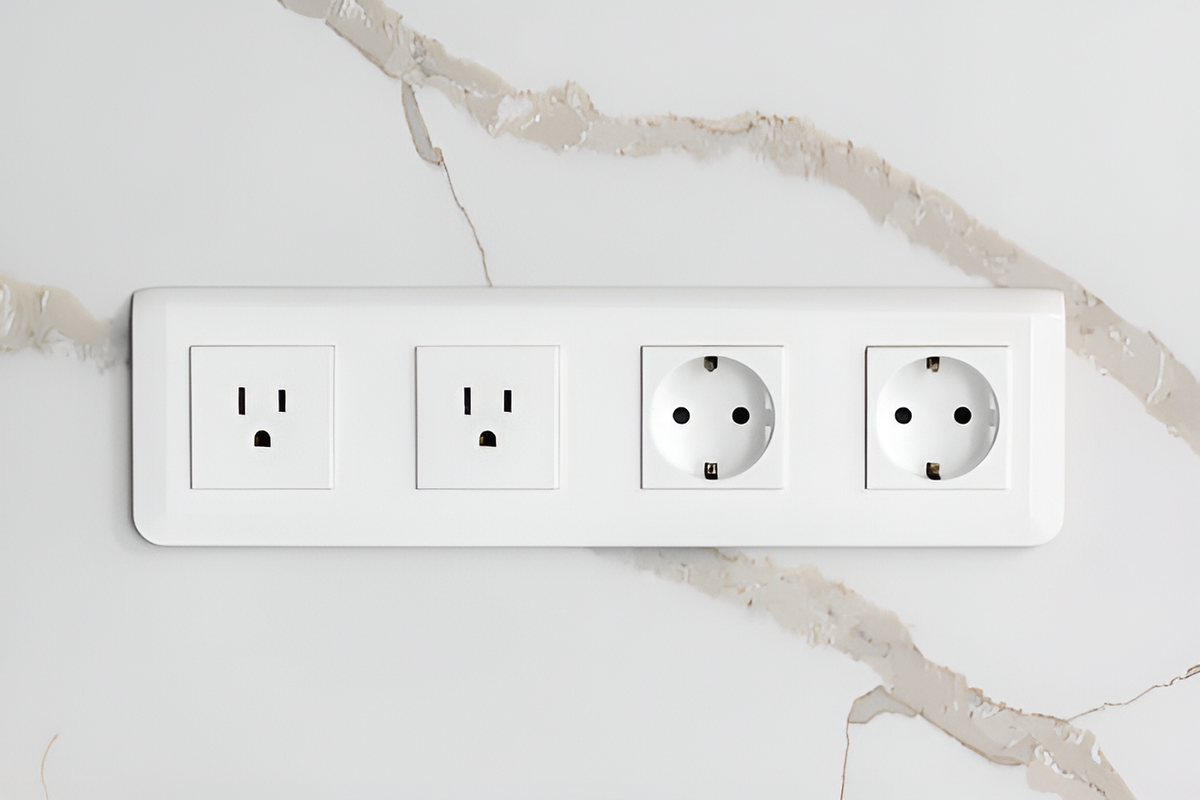
Preventing loose outlets is far easier than repairing damage or dealing with hazards later. These proactive steps will keep your outlets secure and safe:
Inspect Regularly
- Check all outlets at least once a year.
- Look for signs like wobbly plugs, discoloration, heat, or unusual sounds.
- Prioritize outlets in high-traffic areas and those that power heavy appliances.
Tighten Screws
- Turn off the power at the breaker before doing any work.
- Secure both the outlet and faceplate screws to keep the outlet firmly in the wall box.
- Recheck screws periodically, especially in high-use areas.
Replace Worn Outlets
- If internal contacts are stretched or damaged, replace the outlet.
- Modern outlets are affordable and easy to install, but always ensure the replacement matches your home’s voltage and amperage requirements.
- Consider upgrading older outlets to modern, safer designs like tamper-resistant or GFCI types.
Use Properly Sized Plugs
- Never force a plug into an incompatible outlet.
- Using plugs that don’t match the outlet can permanently damage the contacts, making the outlet loose.
Avoid Excessive Force
- Educate family members to insert and remove plugs gently.
- Avoid using outlets as anchors for cords, power strips, or adapters.
Consider Tamper-Resistant Outlets
- Especially recommended for homes with children.
- They help prevent loose connections and accidental shocks.
- These outlets have built-in shutters that only open when a plug is inserted correctly.
Check the Wiring
- Loose or damaged wiring behind the outlet can cause ongoing problems.
- If you notice flickering, sparks, or heat, call a licensed electrician to inspect and repair the connection.
- Professional checks ensure long-term safety and prevent fire hazards.
When to Call a Professional
While minor issues like tightening screws or replacing a standard outlet can be a DIY task, some situations require professional intervention:
- Sparks or arcing inside the outlet
- Repeated overheating
- Loose wiring or damaged wall boxes
- Outlets that trip breakers frequently
A licensed electrician can ensure your home’s wiring is safe, and prevent fire hazards caused by loose outlets.
Safety Tips for Loose Outlets
Even after tightening or replacing a loose outlet, practicing safe habits is essential to prevent hazards in the future. Loose outlets can be more than an annoyance—they can cause shocks, fire hazards, or damage to appliances if neglected. Here are some key safety tips:
Don’t Overload Outlets
- Plugging too many high-wattage devices into a single outlet can overheat the wiring, even in outlets that are tight and secure.
- Use power strips with surge protection for multiple devices, but avoid daisy-chaining power strips together.
- Be mindful of heavy appliances like heaters, microwaves, or air conditioners—they should ideally have dedicated outlets.
Use Surge Protectors
- Surge protectors not only protect your electronics from voltage spikes but can also prevent additional stress on an outlet’s internal contacts.
- Look for models with overload indicators and built-in circuit breakers to enhance safety.
Keep Outlets Dry
- Moisture can accelerate loosening, cause corrosion, and increase the risk of shock.
- Never handle plugs with wet hands and avoid placing outlets in areas prone to water splashes without proper GFCI protection.
Educate Family Members
- Make sure everyone in the home knows to report outlets that feel loose, overheat, or produce unusual sounds.
- Teaching children the risks of tampering with outlets prevents accidental injuries and long-term damage.
Avoid Temporary Fixes
- Using tape or wedges to hold plugs in place may seem convenient but does nothing to fix loose contacts.
- Always address the root cause—tighten screws, replace worn outlets, or call a professional for wiring issues.
Routine Inspections
- Check outlets annually or whenever you notice a device malfunction.
- Pay special attention to high-use areas like kitchens, offices, and entertainment zones.
- Look for wobbly plugs, discoloration, heat, or unusual noises—early detection is key.
Common Misconceptions About Loose Outlets
Many homeowners underestimate the danger of a loose outlet. Here are some misconceptions to clear up:
- “It’s harmless if it still works.” Even if your device operates, loose contacts can create heat or sparks.
- “All old outlets are fine.” Age alone isn’t a guarantee of safety; wear and environmental factors play a role.
- “DIY repairs are always risky.” Basic fixes like tightening screws or replacing a standard outlet are safe if done carefully, but major wiring issues require a professional.
Upgrading Your Home’s Outlets
Sometimes the best way to prevent loose outlets is to upgrade your home’s electrical system. Outlets installed decades ago may not meet modern usage demands or safety standards. Upgrading outlets can improve both security and functionality.
Install GFCI Outlets
- Ground Fault Circuit Interrupters (GFCI) are required in kitchens, bathrooms, laundry rooms, and outdoor areas.
- They protect against electric shock by shutting off power if an imbalance is detected.
- Replacing standard outlets with GFCI types not only enhances safety but also ensures that high-moisture areas are protected.
Upgrade to AFCI Outlets
- Arc Fault Circuit Interrupters (AFCI) detect dangerous arcs in wiring before they cause a fire.
- Recommended for bedrooms, living rooms, and other areas with high electrical load.
- AFCIs are particularly useful if your home has older wiring or if you use many electronic devices simultaneously.
Consider Tamper-Resistant Outlets
- Tamper-resistant outlets prevent children or pets from inserting foreign objects, reducing the chance of shock or fire.
- These outlets use a spring-loaded shutter system that only opens when a proper plug is inserted.
Smart Outlets for Modern Homes
- Smart outlets allow you to monitor energy usage, schedule devices, and even control them remotely.
- Some models provide alerts if a plug becomes loose or power usage spikes unexpectedly, offering an extra layer of safety.
Replace Old or Worn Outlets
- Outlets installed decades ago may have degraded internal contacts or outdated grounding.
- Replacing them with modern, properly rated outlets ensures stability and long-term safety.
- Professional installation is recommended for older homes with unknown or outdated wiring.
Final Thoughts
Loose outlets are more than just a nuisance—they’re a warning sign that your home’s electrical system may need attention. By understanding why outlets get loose, recognizing the seven key signs, and taking preventative measures, you can protect your home from potential electrical hazards. Regular inspections, proper installation, and timely replacement of worn outlets are simple steps that go a long way in keeping your home safe.
Remember, when in doubt, call a licensed electrician. Safety always comes first, and addressing loose outlets early can prevent minor annoyances from turning into serious hazards.