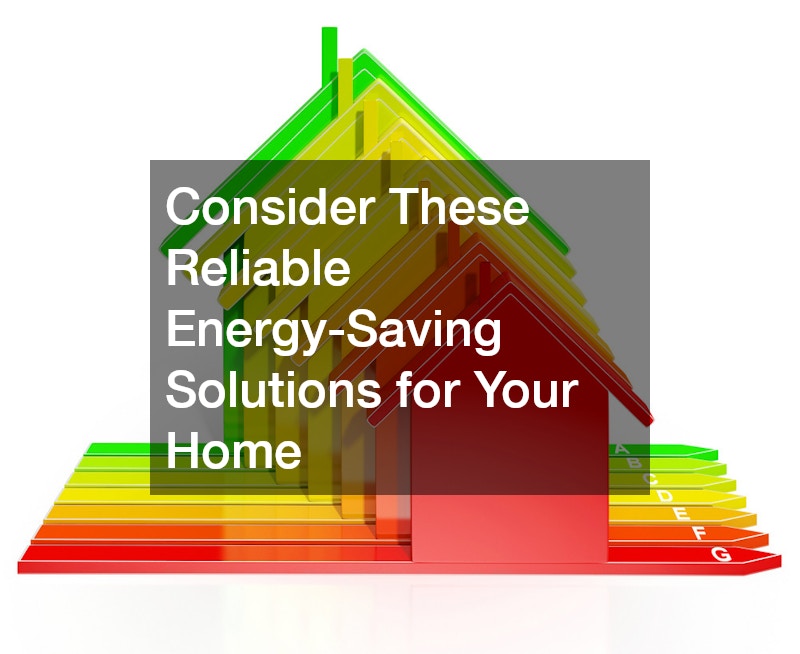
The decision to invest in comprehensive energy-saving solutions for your home represents a calculated financial strategy that yields dual dividends: reducing immediate monthly utility expenditures while systematically building long-term property equity. In a modern residential market characterized by fluctuating resource costs and an increased focus on sustainability, home valuation is inextricably tied to operational efficiency. Many property owners mistakenly assume that the only path toward reducing a building’s carbon footprint involves making massive structural alterations or purchasing unproven technology. However, comprehensive real estate data and mechanical engineering audits consistently demonstrate that a disciplined strategy of targeted infrastructure upgrades, thermal boundary reinforcements, and proactive equipment maintenance delivers an exceptionally high return on investment. By evaluating a house as an interconnected network of physical, mechanical, and thermal systems, homeowners can pinpoint specific vulnerabilities where energy is being wasted and execute high-performance corrections that permanently lower operating overhead.
Transitioning from a reactive, crisis-focused property management approach to a proactive energy-conservation philosophy shifts home maintenance from an ongoing financial drain into an active equity-protection program. Every unsealed window boundary, degraded mechanical component, uninsulated entry point, or minor plumbing leak introduces an operational inefficiency that forces your primary climate systems to work twice as hard to maintain daily comfort targets. Conversely, securing the outer envelope of the estate and optimizing core mechanical systems ensures that a building runs with whisper-quiet, cost-effective precision across every changing season. True home efficiency is achieved by reinforcing foundational layers first, ensuring that aesthetic spaces are backed by mechanically sound, low-consumption infrastructure. As we explore the precise, highly strategic energy-saving interventions and specialized professional upgrades that define a high-performance modern residence, you will discover how a series of intentional physical investments can completely reinvent your relationship with your property.
Reducing Heat Gain With Smarter Window Solutions

The expansive glass surfaces lining your home’s facade represent the primary thermal pathways through which destructive solar radiation breaches your indoor living spaces during the blistering mid-summer months. Allowing unmitigated sunlight to pour through standard window panes introduces a massive invisible heat load that continuously triggers air conditioning cycles and causes localized interior temperature imbalances. Engaging a professional, factory-certified window tinting service to apply advanced, multi-layered ceramic or solar-control window films serves as a highly effective, low-cost optical shield that neutralizes this energy drain. These high-tech architectural coatings utilize sub-microscopic spectrally selective particles to reflect up to 85 percent of incoming solar infrared energy and block 99 percent of destructive ultraviolet radiation while maintaining total visual clarity. This sophisticated upgrade lowers interior glass surface temperatures drastically, completely eliminates the fading of interior fabrics and hardwood floors, and relieves the continuous stress placed on your central cooling equipment. By modifying your existing glass perimeters with high-performance solar films, you optimize your home’s thermal boundary and establish a consistent, energy-efficient indoor climate profile without modifying the property’s baseline architectural line.
Improving Roof Performance to Increase Efficiency
The roof serves as your home’s absolute first line of defense against intense weather extremes, making its underlying structural configuration and material thermal properties paramount to the energy efficiency of the entire estate. An unmaintained or poorly vented roof structure acts as a massive heat sponge, soaking up intense solar radiation and transforming the underlying attic cavity into a scorching reservoir of hot air that continuously bakes your ceiling drywall from above. Partnering with reputable, factory-authorized roofers to install advanced continuous ridge ventilation systems, balanced intake soffits, or reflective radiant barriers completely disrupts this destructive heat-transfer cycle. Proper balanced attic ventilation allows blazing heat and trapped seasonal moisture to escape effortlessly through natural convective air currents, keeping the attic temperature closely matched to outdoor ambient conditions. This essential exterior optimization entirely prevents the structural heat migration that forces your central air conditioning compressor to work overtime, while protecting roof decking layers from premature wood rot and shingle degradation. Securing this vital overhead shield with expert care slashes your seasonal cooling energy footprint and extends the structural lifecycle of your primary protective barrier.
Maintaining Heating and Cooling Systems for Better Performance
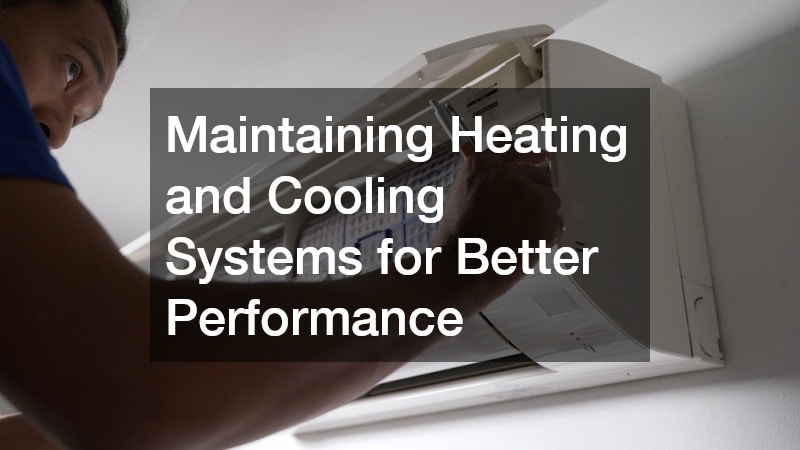
Your central heating, ventilation, and air conditioning infrastructure represents the single largest consumer of electrical energy within your residential property, dictating both your daily indoor comfort and your monthly environmental utility bills. Allowing dust, carbon soot, and microscopic debris to continuously accumulate across internal blower motors, condenser coils, and flame sensors directly leads to restricted airflow, short-cycling, and dangerous drops in mechanical output. Scheduling routine preventative tunings and precision multi-point inspections with certified HVAC services guarantees that your central climate grids operate at their highest possible engineering efficiency rating throughout the year. Experienced technicians clean internal mechanical assemblies, verify optimal refrigerant charge matching, test safety limit controls, and calibrate electronic expansion valves to ensure maximum heat-exchange performance. This low-cost, high-impact maintenance protocol slashes monthly electricity usage footprints, eliminates the immediate threat of sudden system failures, and prevents the premature wear and tear that leads to expensive, multi-thousand-dollar emergency unit replacements.
Upgrading Electrical Systems to Reduce Energy Waste
The invisible electrical power grid running continuously behind your home’s drywall determines both the fundamental fire safety of your household and the operational efficiency of every single connected high-density appliance. Outdated electrical panels, loose terminal connections, degraded branch wiring, and ungrounded circuits introduce significant electrical resistance that causes your electrical meter to spin unnecessarily fast while generating dangerous hidden heat spikes inside your wall cavities. Hiring a licensed, highly experienced local electrician service to audit your service panel, tighten structural connection points, and replace obsolete breakers completely eliminates this costly phantom energy waste. Modernizing your panel to support balanced multi-phase circuitry and installing whole-home surge protection ensures that high-draw appliances receive a perfectly consistent, clean stream of power that optimizes their internal motor efficiency. This professional electrical modernizations process safely readies your home for automated energy management grids, smart dimmer networks, and electric vehicle charging docks, keeping your entire property infrastructure operating securely, sustainably, and completely code-compliant.
Improving Insulation Around Garage Entry Points
An attached residential garage represents a massive, highly volatile thermal zone that can rapidly destabilize your home’s internal climate control efforts if its primary transitional boundaries are poorly insulated or unsealed. When an aging, uninsulated overhead vehicle door or worn perimeter weatherstripping allows freezing winter drafts or intense summer humidity to flood your garage space, that extreme climate presses continuously against the home’s shared interior walls, forcing adjacent living rooms and bedrooms to lose their thermal balance. Securing the specialized diagnostics and hardware upgrades of a professional garage door service allows property owners to completely seal this high-risk energy gap. Installing heavy-duty, multi-layer polyurethane insulated doors featuring high R-value thermal ratings creates a robust cushion that dampens seasonal temperature swings within the garage cavity. Additionally, fitting flexible bottom bulb seals and continuous side vinyl trim stops completely stops high-velocity wind drafts and moisture migration, stabilizing your home’s indoor climate and shielding your family’s utility budget from sudden, unbudgeted seasonal spikes.
Preventing Water Waste Through Plumbing Improvements
A home’s hidden fluid infrastructure operates completely out of sight beneath floorboards and inside structural crawlspaces, making it dangerously easy to ignore slow, unmitigated leaks that quietly drain away thousands of gallons of treated water every year. A single dripping faucet faucet, a silently running toilet flush valve, or an uncalibrated water heater pressure valve inflates your monthly municipal utility overhead while straining local waste systems and wasting thermal heating energy. Engaging a licensed local plumbing contractor to conduct an extensive video pipe inspection, implement hydrostatic pressure tests, and install low-flow aerators and high-efficiency smart fixtures completely stops this hidden resource waste. Upgrading to advanced tankless water heating units or replacing failing water heater anode rods ensures that standby heat loss is entirely eliminated, heating water strictly on-demand as needed. Proactively managing your domestic supply and waste lines lowers monthly water bills, eliminates the structural moisture accumulation that feeds toxic mold colonies, and protects the physical foundation of your real estate investment.
Installing Energy-Efficient Doors for Better Climate Control
The primary entry and transition portals of your home, particularly expansive sliding glass tracks leading out to rear terraces or patio spaces, represent a significant vulnerability where conditioned indoor air routinely escapes. Allowing outdated, single-pane aluminum-framed doors to remain in place introduces a massive thermal bridge that continuously allows outside heat or cold to penetrate your main living zones, forcing your thermostat to cycle constantly. Upgrading these high-risk exterior openings with a premium, heavy-duty impact resistant sliding glass door completely redefines your home’s thermal perimeter while infusing your interior with a sleek, modern minimalism. These advanced architectural systems feature multi-layered, low-emissivity (Low-E) laminated safety glass infused with argon gas fills that form an impenetrable shield against radiant heat transfer and high wind pressures. Once installed by factory-authorized masters, these reinforced systems block out up to 99 percent of destructive ultraviolet radiation, provide elite acoustic insulation against exterior noise, resist forced entry attempts, and ensure absolute climate control regardless of volatile outdoor weather trends.
Increasing Natural Light Without Sacrificing Efficiency
Many property owners desire to maximize the volume of natural ambient sunlight entering dark basement living spaces or lower-level family rooms, but fear that introducing large new window cavities will create severe draft points that destroy their energy-conservation efforts. Traditional basement window assemblies are notorious for leaking energy due to poor framing materials and structural degradation caused by direct soil contact and water accumulation. Collaborating with specialized egress window contractors allows you to safely carve out large, code-compliant window openings that are engineered with high-efficiency, multi-pane thermal frames and insulated vinyl wells. These advanced safety systems utilize high-performance double-paned insulated glass packages that harvest immense natural sunlight and provide emergency escape paths while maintaining an airtight, energy-efficient perimeter seal against sub-grade moisture and wind. Transforming your lower levels with professionally installed egress units floods formerly gloomy subterranean spaces with natural warmth, dramatically elevating the home’s usable square footage without introducing a costly thermal liability.
Choosing High-Efficiency Systems for Long-Term Savings
When an aging furnace, heat pump, or central air conditioning compressor reaches the end of its mechanical lifecycle and begins to suffer from terminal component wear, continuing to patch up the unit becomes a financially self-defeating endeavor. Outdated climate units operating on obsolete refrigerants consume up to 50 percent more electrical energy than modern, inverter-driven units, quietly inflating your overhead with every single hour of operation. Partnering with a premier, high-end HVAC company to complete a comprehensive system load calculation and transition your home to a modern variable-speed climate system represents the ultimate strategy for securing long-term operational savings. These advanced, high-SEER systems utilize intelligent variable-speed compressors that continuously scale their energy output up or down in precise, microscopic increments to perfectly match the immediate thermal needs of the home. This advanced technology completely eliminates the energy-guzzling stop-and-start cycles common to older single-stage units, providing a highly consistent, whisper-quiet stream of perfectly conditioned air that slashes your monthly electricity expenditures.
Addressing Cooling Problems Before Energy Costs Rise
Ignoring minor operational anomalies within your home’s cooling network—such as subtle, unusual whistling sounds, brief short-cycling sequences, sluggish airflow output, or minor localized temperature variances—guarantees that a small, inexpensive component will eventually trigger a catastrophic system breakdown. A slightly worn blower motor belt, a failing electrical capacitor, or a minor restriction in a copper refrigerant line forces the entire mechanical assembly to work twice as hard to maintain your thermostat targets, exponentially accelerating your electricity consumption and driving up utility bills. Booking a timely, precision intervention with a skilled local AC repair technician at the first sign of an operational variance allows specialized mechanics to swap out inexpensive electrical contacts or calibrate sensitive electronic expansion valves before the compressor fractures. Resolving these minor mechanical friction points before they escalate keeps your central climate grid running silently and efficiently, preventing the sudden, runaway energy costs and multi-thousand-dollar emergency replacements that can decimate a household improvement budget.
Ultimately, the transition from a standard collection of high-consumption rooms to a highly stylized, energy-efficient property represents a conscious journey toward intentional living and long-term financial security. When every physical boundary layer, mechanical system, and electrical circuit is engineered with meticulous care and executed by certified professionals, your estate transcends its basic physical limitations to become a highly sustainable asset. The permanent impact of this physical and mechanical metamorphosis is seen not merely in massive property valuation spikes and drastically lower utility statements, but in the enriched, perfectly consistent living experience of the family who resides within its walls every single day. As you move forward with your energy-conservation goals, remember that the true measure of a successful home modernization is how effortlessly your infrastructure facilitates human comfort, relaxation, and structural peace of mind.