Homeowners today face a dual challenge: energy utility costs continue to climb, while climate extremes put unprecedented demands on residential structures. For decades, standard energy-saving advice was straightforward—swap out incandescent lightbulbs for LEDs, add a strip of foam tape around a drafty front door, or turn down the thermostat during winter nights. While these minor habits are helpful, modern residential building science reveals that true energy efficiency requires a far more comprehensive approach. Buildings behave as interconnected ecosystems where heating systems, insulation, plumbing, electrical infrastructure, and structural shells interact constantly with the surrounding environment.
When one component of this ecosystem performs inefficiently, it triggers a chain reaction across the entire structure. An improperly insulated ceiling forces air conditioners to run at high capacity, which in turn strains power panels and prematurely wears out mechanical equipment. Meanwhile, invisible air leaks and uninsulated piping quietly drain money every single hour. Addressing these hidden leaks requires moving past quick fixes and embracing modern, technology-backed solutions designed to optimize the whole home. By treating thermal protection, water heating, and power distribution as a unified system, you can eliminate phantom energy loss, lower monthly operational costs, and significantly increase day-to-day living comfort.
Optimize Mechanical Heating and Cooling Systems
Heating and cooling account for over half of the average residential power consumption, making mechanical climate control the primary driver of monthly utility costs. Traditional systems rely on single-stage compressors that operate on a simple binary principle: full blast or completely off. This frequent cycling creates dramatic indoor temperature swings, wastes excessive electricity during start-up surges, and accelerates mechanical wear. Beyond the heating unit itself, the distribution network often presents severe invisible losses. In typical homes, duct systems lose up to thirty percent of conditioned air through loose connections, unsealed seams, and uninsulated trunk lines running through unconditioned crawl spaces or attics.
To eliminate these systemic thermal losses, modern home efficiency strategies rely on dynamic inverter technology, precision air sealing, and integrated environmental monitoring. Implementing these upgrades transforms climate control from an energy hog into an optimized background system:
- Inverter-Driven Heat Pumps: Modern variable-speed heat pumps modulate their motor output continuously, operating at micro-increments to precisely match the thermal demand of the house. By running steadily at lower speeds rather than cycling on and off at maximum power, inverter systems use up to forty percent less electricity while maintaining consistent indoor humidity and temperature.
- Internal Aerosol Duct Sealing: Traditional duct tape degrades quickly over time. Advanced duct-sealing procedures pressurize the duct system and release airborne polymer particles from the inside, automatically seeking out and permanently sealing hard-to-reach leaks without tearing down drywall.
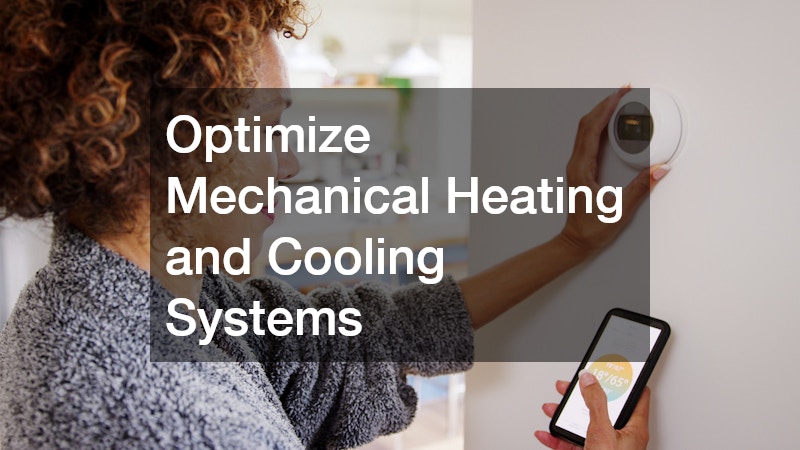
- Precision Zoning and Smart Sensors: Dividing your home into independent thermal zones allows you to direct heating and cooling only where it is actively required. Smart room sensors continuously adjust damper positions to eliminate hot and cold spots across multi-story layouts.
- Preventive Seasonal Calibration: Routine maintenance is fundamental for retaining maximum system efficiency over time. Booking annual HVAC service ensures that blower motors remain balanced, cooling coils are cleared of airflow-restricting dust, and refrigerant charges are balanced to exact specifications.
- Professional Load Calculations: When replacing aging equipment, avoid relying on basic square-footage estimates. Leading HVAC companies conduct dynamic Manual J heat load calculations, taking into account window orientation, air tightness, and local solar exposure to ensure your replacement unit is perfectly sized rather than oversized and inefficient.
Stop Hidden Thermal and Water Losses in Plumbing

Water heating represents the second largest energy expense in most homes, typically responsible for nearly eighteen percent of total energy utility spend. Traditional atmospheric gas or standard electric storage tank heaters operate constantly, keeping 40 to 80 gallons of water at elevated temperatures around the clock regardless of usage. This baseline thermal dissipation, known as standby heat loss, represents a major inefficiency. Furthermore, long structural pipe runs between water heaters and distant fixtures result in millions of gallons of pre-heated water being dumped directly down the drain while residents wait for hot water to arrive at the tap.
Modern plumbing efficiency blends ambient heat transfer, intelligent loop circulation, and reduced fluid friction to minimize both water consumption and energy waste. Implementing the following solutions will streamline hot water distribution across your entire property:
- Hybrid Heat Pump Water Heaters: Instead of creating heat directly through high-resistance heating elements or gas burners, hybrid water heaters transfer heat from the surrounding ambient air into the storage tank. This modern thermodynamic process uses up to seventy percent less energy than standard electric storage units, saving hundreds of dollars annually while providing natural dehumidification for basements.
- On-Demand Recirculation Loops: Installing an on-demand hot water recirculation system prevents water waste at the tap. A small, high-efficiency pump activates via motion sensors or push buttons, quickly drawing cool water sitting in the supply lines back to the heater through the cold line before you open the valve.
- Pipe Insulation and Heat Exchangers: Wrapping exposed hot water pipes with elastomeric foam or closed-cell polyethylene sleeves prevents heat loss as water travels through cool wall cavities. In high-demand households, drainline heat recovery units capture thermal energy from outgoing shower water to pre-heat incoming cold water supplies.
- Clearing Fluid Resistance: Mineral scale and interior pipe buildup force circulating pumps and fixture valves to operate under excess stress, degrading system efficiency over time. Utilizing professional drain cleaning services removes stubborn interior blockages and organic sludge, ensuring optimal wastewater velocity and preventing unwanted backpressure in drainage networks.
- System Audits and Pressure Tuning: Excessively high water pressure damages fixture seals and accelerates water consumption without improving performance. A licensed plumbing company can install a pressure-reducing valve to keep system pressure within the optimal 45 to 60 PSI range and perform comprehensive pipe insulation upgrades.
Modernize Power Distribution and Eliminate Phantom Loads
The modern electrified home demands far more from its power infrastructure than homes built just a few decades ago. As households transition toward electric vehicles, induction cooktops, and high-efficiency heat pumps, legacy electrical panels often become severe operational bottlenecks. Moreover, even when appliances are turned off, modern electronics draw continuous baseline current. This steady energy leak, commonly called phantom load or vampire power, accounts for up to ten percent of average residential electricity consumption. Managing this constant power trickle and optimizing circuit distribution are essential steps toward modern energy management.
Upgrading your electrical infrastructure with intelligent distribution systems and power-monitoring hardware puts you in total control of how energy is consumed throughout your living space:
- Smart Circuit Subpanels: Modern smart panels replace traditional thermal-magnetic breakers with digital relay switches and circuit-level energy monitors. These systems provide real-time visibility into exact power consumption per breaker, allowing you to schedule high-draw loads during off-peak utility hours and automate circuit shutdowns when away from home.
- Advanced Standby Power Automation: Plugging home entertainment systems, desktop computer setups, and small kitchen appliances into smart load-sensing power strips ensures that phantom loads are cut off completely when the master device is turned off.
- Whole-Home Surge and Line Protection: High-efficiency modern appliances rely on sensitive digital logic boards that are highly vulnerable to voltage spikes and micro-surges. Installing panel-mounted surge suppression stabilizes incoming voltage, extending the operating lifespan of expensive heat pumps and smart electronics.
- Infrastructure Auditing: Overloaded circuits and loose wire terminals create electrical resistance, which manifests as wasted heat inside junction boxes and walls. Securing complete electrical services allows technicians to perform thermal imaging scans on breaker panels, identify high-resistance connections, and balance electrical phases to maximize safety and efficiency.
- Service Upgrades and Electrification Planning: Upgrading from a 100-amp to a 200-amp or 400-amp service requires precise load calculation and code compliance. Consulting a certified electrician ensures that your home’s central power supply is safe, properly grounded, and fully capable of accommodating modern renewable technologies like solar micro-inverters and battery storage systems.
Fortify the Building Envelope Against Thermal Bridging

Even the most efficient heating and cooling equipment cannot perform effectively if the building envelope permits unconditioned air to freely penetrate exterior walls. Thermal bridging represents one of the most widespread structural flaws in residential construction. Wooden wall studs conduct heat far more effectively than cavity insulation, creating an uninsulated path where thermal energy easily bypasses fiberglass batts inside the wall. Furthermore, large architectural openings—such as attached garage spaces and exterior doors—frequently act as massive energy drains if their thermal resistance ratings are insufficient.
Eliminating thermal bridging and building-envelope leakage requires combining continuous exterior insulation barriers with high-performance opening systems:
- Continuous Exterior Wall Insulation: Installing rigid foam insulation board directly over exterior sheathing creates a continuous thermal break over structural studs. This seamless layer eliminates thermal bridging, prevents unwanted air infiltration, and significantly elevates the effective R-value of exterior wall assemblies.
- Engineered Weather-Resistive Barriers: Modern house wraps do more than stop rain; they act as vapor-permeable air barriers that allow trapped wall cavity moisture to escape while stopping wind-driven cold drafts from entering the structure.
- Comprehensive Threshold Sealing: Aerosol air-sealing technologies and custom compression weather-stripping along exterior door thresholds, window frames, and wall penetrations seal hidden gaps where conditioned indoor air leaks outside.
- Professional Cladding Integration: When replacing exterior wall coverings, partnering with a qualified siding contractor ensures that foam-backed cladding systems and weather barriers are integrated with proper window flashing, protecting against air leaks and water intrusion.
- Opening Thermal Upgrades: Uninsulated attached garages permit extreme outside temperatures to infiltrate shared interior walls and bonus rooms located directly overhead. Investing in a high-efficiency garage door installation services featuring polyurethane foam insulation (aiming for an R-value between R-12 and R-16) stabilizes temperatures inside the garage space and dramatically reduces energy losses to adjoining rooms.
Reflect Solar Heat and Regulate Attic Microclimates
During summer months, standard dark roof surfaces can reach temperatures exceeding 150 degrees Fahrenheit under direct sunlight. This excessive heat transfers directly into the attic space, converting unventilated attics into massive thermal radiators that bake ceiling drywall and force air conditioning units to operate continuously. In winter, inadequate attic ventilation permits warm, moist air from living quarters to collect underneath the roof deck, leading to condensation, mold formation, and destructive ice dams. Proper attic climate control requires managing surface heat reflection alongside balanced attic airflow.
Implementing advanced roofing materials and precision ventilation designs ensures that your home stays cool during peak summer heat while staying dry and protected year-round:
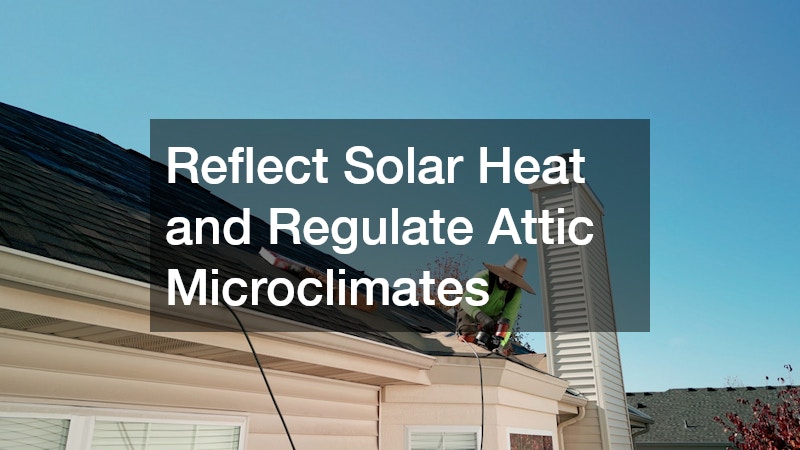
- High-Albedo Solar-Reflective Shingles: Modern cool-roofing materials utilize solar-reflective granules that bounce up to thirty percent of solar radiation back away from the home. This direct reflection keeps roof surface temperatures up to fifty degrees cooler than traditional asphalt shingles, vastly reducing heat transfer into attic cavities.
- Radiant Barrier Foil Installation: Laying or spraying radiant barrier materials on the underside of roof rafters reflects radiant solar heat before it reaches attic insulation, lowering cooling loads in hot climates by up to ten percent.
- Balanced Passive Ridge and Soffit Venting: Effective attic ventilation relies on continuous net-free airflow. Cool outside air enters low through continuous soffit vents, draws heat away from the roof deck, and exhausts naturally through continuous ridge vents along the peak of the roof without needing mechanical energy.
- Choosing High-Efficiency Materials: Modern options in residential roofing go far beyond basic three-tab asphalt, incorporating standing-seam metal panels, cool-granulate architectural shingles, and integrated ventilation channels designed for maximum thermal performance.
- Thermal Diagnostics and System Assembly: Prior to replacing a roof, hiring an experienced roofing company to perform a thorough attic airflow evaluation and thermal imaging audit ensures that underlying deck rot, improperly unsealed top plates, and blocked soffit baffles are completely corrected before new materials are installed.
Achieving true residential energy efficiency requires moving past short-term, surface-level fixes and taking a holistic approach to building performance. By viewing your home as a single, connected ecosystem—where heating and cooling equipment, water distribution, power management, exterior walls, and roofing structures work in harmony—you can pinpoint and resolve the root causes of energy loss. Upgrading to variable-speed mechanicals, eliminating phantom electrical loads, sealing structural ductwork, and fortifying your exterior thermal envelope provides benefits far beyond immediate savings on monthly utility bills.
These modern improvements elevate daily living comfort, improve indoor air quality, and safeguard structural integrity for decades to come. Taking a strategic, step-by-step approach to home performance allows you to prioritize high-return upgrades that match your budget and goals. Ultimately, investing in modern efficiency fixes turns your home into a resilient, low-energy sanctuary designed to perform reliably through every season.