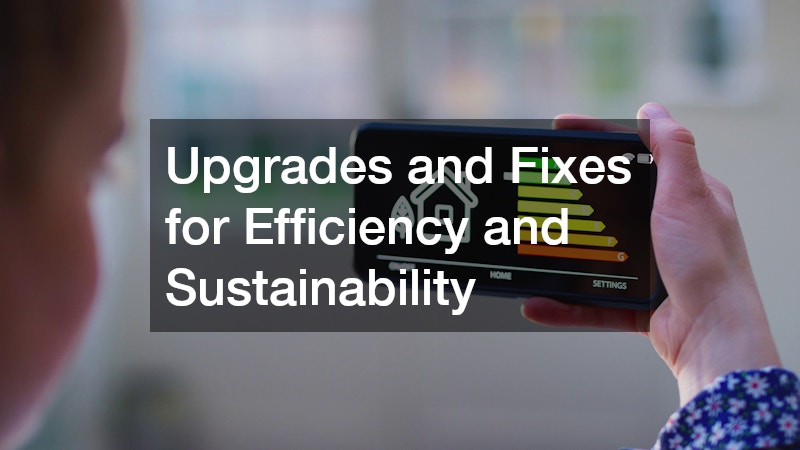
The concept of the “home of the future” has shifted. It is no longer defined by futuristic aesthetics or gadgets that perform novelty tasks. Instead, the modern standard of luxury and responsibility is defined by efficiency and sustainability. For homeowners, this shift represents a dual opportunity: the chance to significantly reduce monthly overhead and the moral imperative to lower one’s carbon footprint.
A sustainable home is a resilient home. When we talk about “green” living, we are often talking about systems that are built to last, require less external input, and manage waste more effectively. However, achieving this state isn’t a one-time event. It is a continuous process of strategic upgrades and meticulous maintenance. Inefficiency is a silent thief; it manifests in a drafty window that forces a heater to work overtime, a leaking pipe that wastes gallons of treated water, or an outdated electrical panel that bottlenecks the transition to renewable energy.
This guide is designed to take you through a comprehensive deep dive into the guts of your home. We will explore how to optimize your climate control, secure your water source, manage your waste, and ensure your power supply remains consistent and clean. By the end of this discussion, you will have a roadmap for transforming your property into a high-performance asset that serves both your family and the planet.
Optimizing Your Home’s Climate Envelope
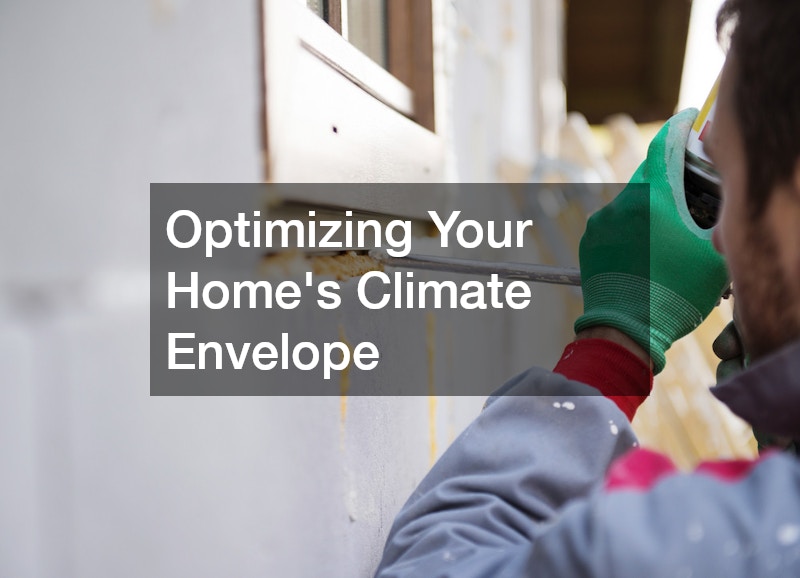
The “envelope” of your home—the walls, roof, windows, and foundation—is the first line of defense against energy loss. If the envelope is weak, even the most expensive heating or cooling system will fail to perform efficiently.
Tightening the Seal
Before considering a significant investment in new machinery, it is crucial to first address and rectify the issue of leaks within your home. These leaks, specifically air infiltration, can present a substantial challenge in terms of energy efficiency. In fact, it is often surprising to learn that such air leakage can be responsible for up to an eye-opening 30% of the heating and cooling costs a typical home incurs. This not only leads to higher utility bills but also results in increased energy waste and environmental impact.
- Conduct a DIY Pressure Test: On a windy day, hold a lit incense stick near window frames, electrical outlets, and baseboards. If the smoke flickers, you have a leak.
- Weatherstripping: Replace worn seals around doors. A visible gap at the bottom of a door is essentially a permanent open vent to the outside.
- Attic Insulation: Most older homes are significantly under-insulated. Increasing your R-value in the attic is one of the highest-return investments in home sustainability.
Seasonal Maintenance for Peak Performance
Once the envelope is sealed, the mechanical systems must be tuned. Your HVAC system is likely the largest consumer of energy in your household. Neglecting it doesn’t just lead to higher bills; it leads to premature mechanical failure. Regular air conditioning services are vital to ensure that coils are clean, refrigerant levels are optimal, and motors are lubricated. A system that struggles to breathe will draw significantly more amperage, increasing your carbon footprint and your utility costs simultaneously.
Smart Temperature Management
Moving toward a sustainable future means moving away from “set it and forget it” manual thermostats. Smart thermostats utilize machine learning to understand your habits, lowering the temperature when you are away and pre-cooling or pre-heating before you arrive. This precision prevents the common habit of “over-correcting” the temperature, which puts unnecessary strain on your equipment.
Sustainable Power and Electrical Resiliency
As we transition away from fossil fuels, the electrical demand on our homes is increasing. From electric vehicles to induction cooktops, your home’s “nervous system” needs to be robust enough to handle the load without wasting energy through heat loss or inefficient distribution.
Upgrading the Infrastructure
Modern sustainability often requires a move to 200-amp service. If you are living in an older home with a 60- or 100-amp panel, you are limited in your ability to add solar panels or high-efficiency heat pumps. A comprehensive electrician service is necessary to evaluate the integrity of your wiring. Old, frayed, or undersized wires generate heat, which is essentially wasted energy radiating into your walls.
Lighting and Load Management
The transition to 100% LED lighting, though it might seem like a minor adjustment, actually serves as a pivotal enhancement in the realm of energy efficiency. One of the most significant advantages of LED (Light Emitting Diode) lighting is its remarkable energy-saving capability. Compared to traditional incandescent bulbs, LEDs use approximately 75% less energy, making them an environmentally friendly and cost-effective choice. Furthermore, the durability and longevity of LEDs are noteworthy, as they can last up to 25 times longer than their incandescent counterparts. This not only reduces the frequency and cost of bulb replacements but also decreases the overall environmental impact due to less waste.
- Occupancy Sensors: Install these in laundry rooms, garages, and pantries to ensure lights aren’t left on indefinitely.
- Phantom Load Elimination: Many electronics draw “vampire” power even when turned off. Using smart power strips that cut power entirely to peripherals when the main device is off can save hundreds of dollars a year.
Preparing for Renewables
A sustainable home is often one that produces its own power. Even if you aren’t ready for a full solar array today, ensuring your home is “solar-ready” with the proper conduit and panel space is a smart move. This forward-thinking approach prevents the need for expensive “rip-and-replace” projects in the future.
Mastering On-Site Energy Storage and Alternatives
For many homeowners, especially those in rural areas, the grid isn’t always the most efficient or reliable source of energy for heating and cooking. On-site storage allows for greater independence and, in many cases, a cleaner burn than coal-heavy grid electricity.
The Role of Propane in a Green Home
Propane is often overlooked in the sustainability conversation, but it is a clean-burning alternative to fuel oil and many electric setups. Propane emits significantly fewer greenhouse gases than electricity produced by the national grid average. To utilize this effectively, high-quality propane tanks must be installed and sized correctly for the home’s demand. A tank that is too small leads to more frequent deliveries, increasing the carbon footprint of the delivery trucks themselves.
Professional Fuel Management
Sustainability is also about safety and reliability. Engaging with professional propane services ensures that your system is leak-free and that your appliances—such as high-efficiency tankless water heaters—are tuned for the specific caloric value of the fuel. Tankless water heaters, in particular, are a massive sustainability win, as they only heat water on demand rather than keeping 50 gallons hot 24/7.
Advanced Water Sourcing and Security
Water is our most precious resource, and as municipal systems face strain from aging infrastructure and climate shifts, many are looking toward independent water solutions.
Tapping into Deep Earth Resources
For those with the land to support it, moving away from treated municipal water can be a move toward true sustainability. Utilizing professional water well drilling services allows you to access groundwater that hasn’t been subjected to the heavy chemical processing or the high energy costs of long-distance transport through municipal pipes.
System Longevity and Efficiency
A well is only as good as the mechanism that brings the water to the surface. An inefficient pump will cycle too frequently, wasting electricity and wearing out the internal components. Routine well pump service is essential to check the pressure tank’s air bladder and the electrical draw of the motor. A well-maintained pump ensures that you have consistent pressure without the “surge” of energy usage that characterizes failing systems.
Protecting the Local Ecosystem and Groundwater
Sustainability doesn’t stop at what you consume; it extends to how you handle what you discharge. The health of your local soil and water table is directly tied to your home’s waste management systems.
Managing On-Site Waste
For homes not connected to a sewer line, the septic system is the most critical piece of environmental infrastructure. If a septic system is neglected, it can leak nitrates and pathogens into the surrounding soil. Regular septic services, including pumping and inspection of the distribution box, prevent these catastrophic failures. A healthy septic system uses natural bacterial processes to break down waste, returning clean-ish water to the earth, but this process requires a delicate balance of biology and mechanical maintenance.
Environmental Stewardship and Remediation
Sometimes, the land we inherit or buy has been mistreated in the past. Sustainability in these cases involves active restoration. If chemicals or pollutants have entered the water table from old oil tanks or industrial runoff, groundwater remediation becomes necessary. This process involves stripping contaminants from the water to restore the local ecosystem’s balance. Being a sustainable homeowner means taking responsibility for the entire “life cycle” of the water that passes through your property.
Strengthening the External Structure and Emergency Systems
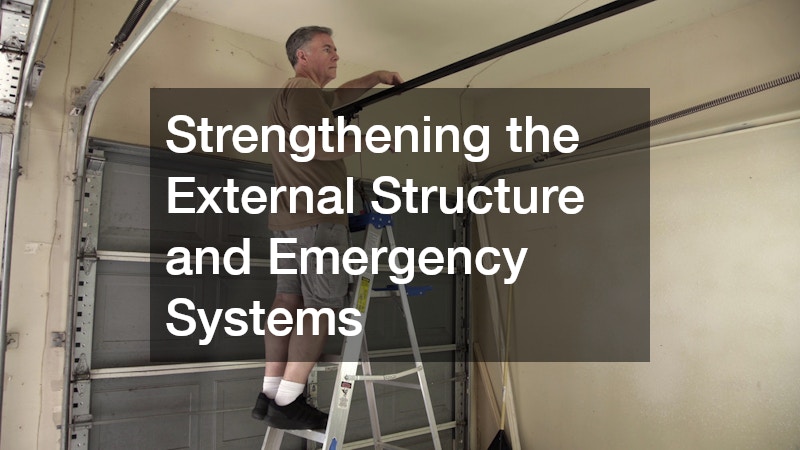
The “accessories” of a home—the garage, the shed, and the backup systems—often get ignored in efficiency audits. However, these are often the areas where the most heat and energy are lost.
Sealing the Largest Opening in Your House
The garage door is often the largest single moving part of a home. If you have an attached garage, an uninsulated or poorly fitted door acts as a giant radiator, sucking heat out of your living spaces in the winter. Staying on top of garage door repairs is not just about convenience; it’s about ensuring that the weather stripping and the door’s alignment create a tight thermal seal. A door that hangs unevenly allows a constant draft to enter, forcing the home’s interior systems to work harder.
Reliable Backup for Critical Loads
A truly sustainable home is a resilient one that can survive a grid outage without losing its food supply or suffering water damage. This is where standby generators come into play. While they run on fuel, modern units are incredibly efficient and only run as much as needed to maintain critical loads. When paired with a transfer switch, they ensure that your high-efficiency systems remain protected from power surges and outages, which can often damage sensitive electronic components in modern “green” appliances.
Creating a Roadmap for Continuous Improvement
Achieving a high level of efficiency is rarely a sprint; it is a marathon. This journey toward optimized efficiency is best seen as a long-term commitment rather than a quick fix. To make these substantial upgrades more manageable and less overwhelming, it is beneficial to categorize them into three distinct phases, each serving as a building block towards your ultimate goal:
- The Low-Hanging Fruit (Months 1-6): Focus on sealing the envelope, switching to LEDs, and scheduling your first round of mechanical inspections for your HVAC and electrical systems.
- Systemic Upgrades (Year 1-2): This is the time to look at water sourcing, upgrading your septic health, and ensuring your garage and exterior structures are thermally sound.
- Independence and Resiliency (Year 3+): Move toward on-site fuel storage, backup power generation, and potentially integrating renewable energy sources like solar or geothermal.
By adhering to this structured, phased approach, you can successfully spread out the financial burden of these significant upgrades over several years, avoiding the shock of a large upfront investment. Meanwhile, the immediate to long-term savings and benefits begin to accumulate almost right away. This method provides a balanced roadmap to efficiency, ensuring that the journey is as feasible as it is rewarding.
The Long-Term ROI of a Sustainable Home
Investing in home efficiency and sustainability is perhaps the only type of spending that pays for itself multiple times over. Beyond the immediate reduction in utility bills, these upgrades significantly increase the resale value of a property. Today’s buyers are increasingly savvy; they look for documented maintenance records and systems that promise lower long-term ownership costs.
More importantly, these changes offer a sense of security. Knowing that your water is clean, your waste is managed responsibly, and your energy usage is optimized provides a peace of mind that “standard” homeownership cannot match. We are moving into an era where the most prestigious homes aren’t just the largest ones, but the smartest ones. By taking a proactive stance on maintenance and choosing high-efficiency upgrades, you are protecting your investment, your family, and the environment for decades to come. The path to a better home starts with a single inspection, a tighter seal, and a commitment to doing more with less.