Maintaining an energy-efficient, comfortable home requires looking beyond simple daily thermostat adjustments. Household climate control systems represent the single largest energy expense in residential properties, accounting for over half of total utility consumption in most climate zones. When heating and cooling equipment operates below peak efficiency, homeowners experience rising monthly power bills, uneven indoor temperatures, excessive humidity levels, and frequent mechanical breakdowns. Achieving a high-performance indoor environment demands an integrated approach that combines smart automation, regular technical upkeep, precise airflow balancing, and high-efficiency equipment upgrades.
Many property owners operate under the false assumption that home climate systems only require attention when a catastrophic mechanical failure occurs. However, minor internal issues—such as clogged air filters, low refrigerant charges, leaking supply ducts, and uncalibrated temperature sensors—can force heating and cooling units to work up to fifty percent harder than necessary to reach target setpoints. Over time, this extra mechanical friction accelerates component wear, shortens equipment lifespan, and inflates utility expenses. Transitioning to a proactive management strategy ensures your home remains comfortable through freezing winter spells and blistering summer heatwaves while keeping operational costs manageable.

Automating Temperature Schedules with Smart Control Interfaces
The interface used to manage your home’s climate system serves as the central command center for daily energy consumption. Outdated manual dial or basic digital controllers force heating and cooling units to run at constant output levels even when the house is empty during work hours or sleeping overnight. Manually adjusting settings often leads to forgotten changes, resulting in wasted electricity and fuel heating or cooling empty rooms.
Investing in a professional thermostat installation introduces adaptive smart technology that learns your household’s daily routines and adjusts temperatures automatically. Modern smart controllers utilize geofencing, remote room sensors, and local weather forecasts to optimize system cycling without sacrificing personal comfort. Upgrading to a connected control system allows homeowners to monitor energy usage trends in real time and adjust settings remotely via smartphone applications.
Integrating smart environmental controls eliminates unnecessary system operation while ensuring your home reaches a comfortable temperature right as you arrive. Precision temperature sensing prevents system short-cycling, extending the operational life of delicate electronic control boards and compressor motors. Modernizing your temperature control interface represents a cost-effective, high-yield step toward reducing monthly utility expenses.
Scheduling Routine Mechanical Care to Stabilize All-Season Energy Draw
Residential heating and cooling systems contain dozens of moving parts, electrical connections, and heat-exchange surfaces that degrade under continuous seasonal operation. Dust accumulation on blower fan blades, loose wiring harnesses, and unlubricated motor bearings create internal mechanical resistance that forces systems to draw significantly more amperage to maintain standard airflow velocities.
Booking comprehensive air conditioning and heating repairs and preventive maintenance visits ensures that mechanical systems undergo thorough cleaning, electrical testing, and airflow calibration twice a year. Licensed technicians clean evaporator coils, tighten electrical terminals, flush condensate drain lines, and inspect heat exchangers for microscopic cracks that could compromise indoor air safety. Preventive maintenance restores original manufacturer efficiency ratings and prevents minor component wear from cascading into major mechanical failures.
Establishing a consistent schedule for technical inspections protects equipment performance through extreme seasonal weather spikes. Clean heat-transfer surfaces allow systems to heat and cool interior spaces much faster, reducing overall compressor and burner run hours. Proactive mechanical upkeep stabilizes energy consumption and extends the working life of your equipment.
Addressing Acute Cooling Failures to Restore Midsummer Efficiency
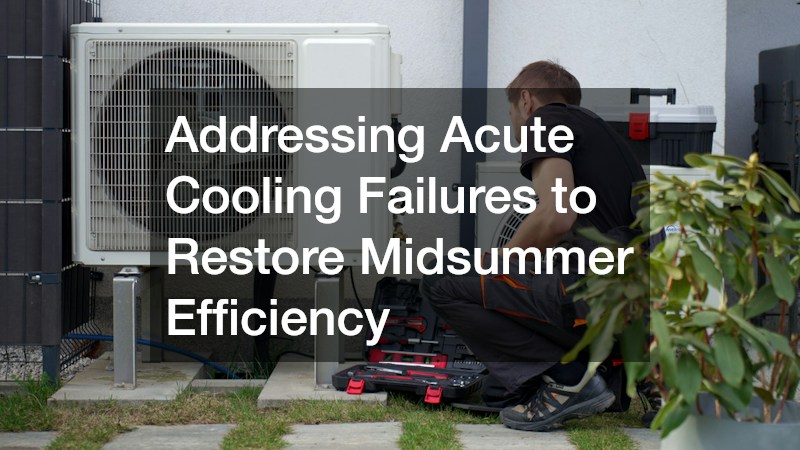
During peak summer heatwaves, cooling systems operate under extreme thermal loads and high head pressures. If an outdoor condensing unit suffers from blocked airflow, a failing run capacitor, or a slight refrigerant leak, cooling capacity drops dramatically while electrical draw spikes. Homeowners often notice their air conditioner running continuously without lowering interior temperatures, resulting in extreme utility bills and rapid compressor overheating.
Arranging for prompt air conditioning repair when performance dips protects expensive compressor assemblies from thermal burnout and restores peak cooling efficiency. Specialized technicians utilize digital manifold gauges and thermal cameras to identify subtle refrigerant imbalances, faulty expansion valves, or restricted airflow passages quickly. Resolving mechanical restrictions restores proper heat absorption and rejection cycles, allowing the system to cool your home efficiently.
Taking immediate action on minor cooling issues prevents catastrophic equipment failure during the hottest months of the year. Properly charged and clean cooling systems cycle off normally once target temperatures are achieved, preventing unnecessary wear on condenser fan motors. Prompt technical repairs restore midsummer comfort while protecting your monthly energy budget.
Optimizing Winter Heating Performance for Lower Utility Overhead
As winter temperatures drop below freezing, home heating systems become the primary line of defense against interior heat loss. Inefficient furnaces, heat pumps, or boilers consume excessive natural gas, propane, or electricity when fuel burners are out of alignment, heat exchangers are soot-covered, or draft inductors are malfunctioning. Operating inefficient heating equipment drives up winter utility costs while increasing the risk of dangerous carbon monoxide buildup inside living spaces.
Scheduling professional heating services before the winter season arrives guarantees that combustion processes are fully analyzed, fuel pressures are calibrated, and heat distribution networks are balanced properly. Heating specialists measure flue gas temperatures, adjust burner flame geometry, and inspect limit switches to ensure total combustion efficiency and operational safety. For heat pump systems, technicians verify defrost cycle timing and auxiliary heating element staging to prevent unnecessary electrical resistance heating.
Optimizing winter heating equipment lowers seasonal fuel consumption while maintaining consistent, cozy warmth in every room. Clean, well-adjusted heating systems deliver higher supply air temperatures with lower fuel input, maximizing every dollar spent on winter energy. Comprehensive heating care delivers reliable warmth and complete peace of mind through severe winter weather.
Coordinating Full-System Airflow Management Across the House
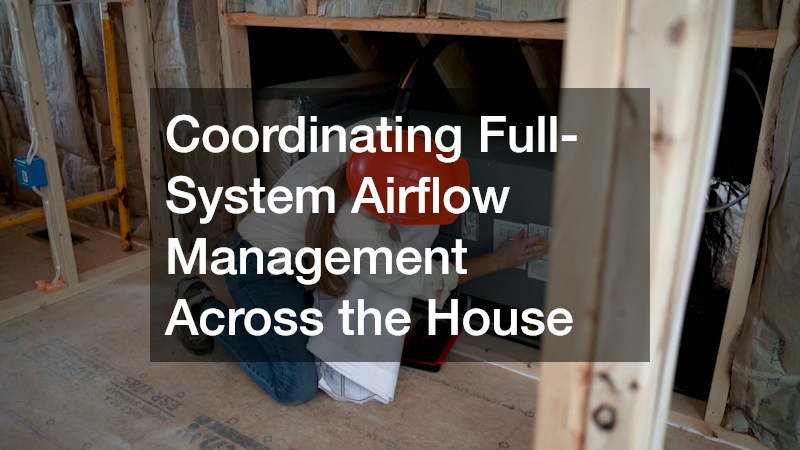
Achieving true household energy efficiency requires treating your heating, cooling, and ductwork networks as a single, fully integrated air distribution ecosystem. Even a brand-new, high-efficiency mechanical unit will perform poorly if connected to undersized, leaking, or uninsulated ductwork running through unconditioned attic spaces or basements. Leaky supply ducts can spill up to thirty percent of conditioned air into unheated structural voids before it reaches your living rooms.
Contracting comprehensive HVAC services allows mechanical engineers to conduct blower door testing, duct leakage evaluations, and static pressure measurements across your entire home. Specialized technicians seal leaking duct joints with durable mastic sealants, balance supply dampers, and insulate unconditioned duct runs to eliminate thermal energy losses. Comprehensive system balancing ensures that every room receives the correct air volume without overloading the central blower motor.
Coordinating total airflow management eliminates hot and cold spots across multi-story floor plans, improving overall household comfort. Sealed and balanced duct networks prevent dust, insulation fibers, and attic humidity from being drawn into the indoor air stream. Complete system optimization maximizes thermal delivery efficiency while protecting indoor air quality.
Partnering with Certified Trade Enterprises for System Audits
Navigating complex home energy calculations, equipment sizing, and utility rebate programs can feel overwhelming for property owners. Attempting unverified DIY fixes or hiring unqualified handymen often leads to improperly sized equipment, incorrect electrical wiring, and voided manufacturer warranties that compromise system performance.
Partnering with an established HVAC company gives homeowners access to certified mechanical technicians, load calculation software, and comprehensive system diagnostic tools. Qualified service firms evaluate your home’s thermal envelope, insulation levels, window orientation, and square footage using industry-standard Manual J load calculations. Accurate load profiling ensures that replacement equipment is sized perfectly for your specific home footprint, preventing the efficiency losses associated with over- or under-sized units.
Working with an accredited mechanical firm ensures that all installation and repair work complies strictly with regional building codes and municipal energy standards. Professional service enterprises assist with utility rebate applications, helping you recover upfront investment costs on high-efficiency equipment upgrades. Structured corporate leadership delivers reliable, high-standard service from start to finish.
Comparing Qualified Regional Providers for Major Efficiency Upgrades
When planning major home climate upgrades or full system replacements, reviewing options from multiple service providers helps ensure you receive competitive pricing, high-quality equipment brands, and comprehensive labor warranties. Mechanical providers vary significantly in their technical capabilities, brand authorizations, and installation standards.
Evaluating proposals from reputable HVAC companies enables homeowners to compare equipment SEER2, AFUE, and HSPF2 efficiency ratings, heat exchanger designs, and variable-speed inverter options transparently. Reputable service providers provide detailed, itemized quotes that outline line-item costs for equipment, labor, duct modifications, and post-installation testing. Comparing experienced regional providers helps you select an installation partner committed to long-term efficiency and customer support.
Taking time to compare qualified mechanical enterprises protects your investment against low-quality installation practices and poor equipment matching. High-performing installation teams prioritize proper refrigeration line brazing, nitrogen purging, and deep system vacuum evacuation before launching new equipment. Careful provider selection guarantees a high-yield installation built for decades of efficient performance.
Executing Targeted Mechanical Fixes to Prevent Energy Spikes
Mechanical systems rarely fail without warning; they usually exhibit subtle symptoms—such as unusual clicking sounds, high indoor humidity, warm air supply during cooling cycles, or sudden utility bill spikes—long before a complete breakdown occurs. Ignoring minor operational anomalies forces remaining internal components to take on extra mechanical stress, turning small, inexpensive part replacements into major repair expenses.
Scheduling timely HVAC repairs resolves minor component issues—such as worn blower motor bearings, failing start capacitors, or sticking reversing valves—before they cause widespread system damage. Experienced repair technicians carry specialized diagnostic meters and OEM replacement parts to restore proper electrical and mechanical performance quickly. Fixing electrical resistance issues and mechanical drag keeps system power consumption stable and predictable.
Executing prompt mechanical repairs prevents unexpected power surges and protects delicate electronic control boards from voltage fluctuations. Keeping all mechanical components operating smoothly ensures the system operates at its designed efficiency curve. Proactive repair management shields your household budget against sudden, expensive utility spikes.
Hiring Licensed Building Specialists for Complex System Engineering
Designing and installing a high-efficiency climate control system in a custom home or undertaking a major retrofit involves complex structural calculations, electrical panel load assessments, and refrigerant piping design. Executing these specialized technical tasks safely demands advanced mechanical engineering knowledge and hands-on field expertise.
Contracting a licensed HVAC contractor guarantees that major equipment installations, ductwork redesigns, and zoning system conversions are engineered and executed according to strict industry standards. Qualified contractors handle municipal permit filings, organize required building inspections, and verify that electrical circuit breaker capacities match new equipment specifications. Their engineering oversight ensures that variable-speed inverter compressors and multi-stage furnaces function as intended.
Working with a licensed building contractor protects property owners from liability and guarantees that equipment installations meet strict safety guidelines. Professional contractors conduct post-installation performance verifications, testing static pressures and temperature splits to confirm peak operating efficiency. Expert project management delivers a high-performance system customized for your home.
Upgrading to High-SEER Equipment for Long-Term Utility Savings
If your heating and cooling equipment is over twelve to fifteen years old, it likely relies on outdated fixed-speed compressor technology that consumes excessive electricity compared to modern variable-speed systems. Older units degrade in efficiency over time, and legacy refrigerants are increasingly expensive due to environmental phase-outs. Replacing an obsolete unit with modern high-efficiency technology offers one of the most effective ways to lower annual energy expenses.
Investing in modern HVAC installations featuring variable-speed inverter technology allows climate systems to modulate their output continuously, matching the exact heating or cooling load of your home. Rather than blasting on at one hundred percent capacity and shutting off repeatedly, inverter systems run at lower, whisper-quiet speeds for extended periods, consuming a fraction of the electricity required by older systems. High-efficiency heat pumps also provide remarkable winter heating efficiency, transferring ambient environmental heat into your home for far less cost than traditional electrical resistance heat.
Relying on certified mechanical specialists ensures that every phase of your home energy plan—from initial thermal load calculations to ongoing technical inspections—is executed according to strict engineering standards. Proactive maintenance catches minor component wear early, preventing sudden breakdowns during severe summer heatwaves or freezing winter spells. Upgrading obsolete, fixed-speed equipment to modern variable-speed technology lowers monthly power bills, improves indoor air quality, and delivers exceptional temperature consistency across every room in your home.
Taking a disciplined, forward-thinking approach to household climate management shields your financial equity, eliminates emergency repair bills, and reduces your overall environmental footprint. Strategic investment in home thermal efficiency transforms your living space into a low-cost, high-performance retreat that enhances daily family comfort, protects your property value, and provides complete peace of mind through every season of the year.