
Turning a garage into a functional workshop is one of the most rewarding home improvement projects you can take on. Whether you enjoy woodworking, automotive repairs, metal fabrication, or creative DIY projects, a well designed workshop can improve productivity, safety, and comfort. Many garages start as cluttered storage areas, but with thoughtful planning and smart upgrades, they can become efficient spaces that support both hobbies and professional level work.
A successful transformation starts with understanding how you plan to use the space. The layout, lighting, storage, and utilities all play important roles in how effective your workshop will be. From structural considerations to finishing touches, every decision impacts how enjoyable and practical the space becomes. The following tips walk through the most important aspects of converting your garage into a workshop that works as hard as you do.
Start With a Solid Structure and Weather Protection

Before adding tools or workbenches, it is important to make sure the garage itself is structurally sound and well protected from the elements. Many garages were not originally built with year round comfort or heavy use in mind, which means they may have weaknesses that need to be addressed before any upgrades take place. Taking the time to evaluate the condition of the space early can prevent damage to tools and materials and help create a safer working environment. Insulation, air sealing, and basic temperature control should be top priorities when preparing the garage for regular use.
Walls, ceilings, and doors should be carefully inspected for cracks, gaps, or signs of moisture intrusion. Even small openings can allow cold air, heat, or water to enter the space, making it uncomfortable and potentially damaging over time. Addressing these issues improves energy efficiency and creates a more consistent environment for detailed or long term projects. Proper sealing also helps protect tools and stored materials from rust, corrosion, and warping while making the workshop more comfortable throughout every season.
In some cases, homeowners discover issues with the roof that need attention before moving forward with interior improvements. Leaks, aging materials, or poor ventilation can all impact the performance of the workshop space below. Working with a professional roofing service can help ensure the structure above your workshop is secure, properly ventilated, and capable of supporting insulation upgrades or other improvements. A solid foundation and roof provide peace of mind and prevent costly repairs down the line. Once the structure is dependable and well protected, you can confidently move on to planning the interior layout and adding equipment that brings your workshop vision to life.
Improve Access and Daily Convenience
Ease of entry and exit is often overlooked when designing a workshop, yet it plays a major role in overall functionality and daily efficiency. Carrying lumber, tools, machinery, or heavy equipment in and out of the space should be simple, safe, and predictable. Narrow openings, sticking doors, or uneven thresholds can quickly become frustrating obstacles that slow progress and increase the risk of injury. Evaluating how materials enter and leave the workshop helps ensure the space supports your workflow rather than working against it.
If your garage door is outdated, noisy, or unreliable, upgrading it can significantly improve both efficiency and security. A modern door opens and closes smoothly, reducing delays and minimizing strain when you are moving large or awkward items. Modern garage door openers add even more convenience by allowing hands free operation, which is especially helpful when your arms are full of supplies or equipment. These systems often provide consistent performance and reduce wear on the door itself.
Quiet operation is another major benefit, particularly if your workshop is attached to the home or used during early mornings or evenings. Some newer systems also include smart features that allow remote access, scheduling, and monitoring, giving you greater control and peace of mind. Improving access helps streamline your workflow, reduces daily frustration, and makes the workshop easier to use on a regular basis. When moving materials in and out is simple and reliable, you are more likely to stay focused on your projects instead of struggling with logistics.
Upgrade Natural Light and Visibility
Lighting is essential in any workshop, and natural light can make a dramatic difference in how the space feels and functions. Dark garages often feel cramped, uninspiring, and even unsafe, especially when working with sharp tools, small parts, or detailed projects that require precision. Poor visibility can lead to mistakes or accidents, while a well lit environment supports accuracy and confidence. Adding or upgrading windows helps bring in consistent daylight and improves air circulation, making the space more comfortable to spend time in.
Partnering with a window replacement company allows you to install energy efficient windows that improve insulation while maximizing natural light. Modern window options are designed to limit heat loss during colder months and reduce excessive heat during warmer seasons, helping maintain a more stable indoor temperature. Many designs also minimize glare, which is important when working with reflective materials or screens. Window placement should be planned carefully, taking into account where workbenches, tool stations, and storage areas will be located to avoid shadows in key work zones.
Better lighting reduces eye strain, improves accuracy, and makes it easier to work for longer periods without fatigue. A bright workspace feels more open and inviting, which can increase motivation and focus. By combining natural light with well placed artificial lighting, you create a balanced environment that supports productivity while enhancing the overall atmosphere of your workshop.
Plan for Heating and Fuel Needs

Temperature control is a key factor in making a garage workshop usable year round and comfortable in all seasons. Cold winters and chilly mornings can quickly make the space unpleasant, while extreme heat during warmer months can be just as disruptive. Both temperature extremes can affect your ability to work safely and efficiently, especially during longer projects. Choosing the right heating or climate solution depends on your local climate, available utilities, insulation levels, and the type of work you plan to do in the space.
Some homeowners rely on propane services to power heaters that warm the garage quickly and efficiently. Propane powered heating options are especially useful in detached garages or older structures where extending an existing HVAC system is impractical or cost prohibitive. These systems provide consistent heat and can be turned on as needed, making them ideal for workshops that are used intermittently. It is important to select equipment designed for indoor or garage use and to follow all manufacturer guidelines.
Proper ventilation is critical when using any fuel powered equipment, as it helps prevent the buildup of harmful gases and ensures safe operation. Installing vents, exhaust fans, or carbon monoxide detectors adds an extra layer of protection. Maintaining a comfortable, stable temperature protects both you and your tools from damage caused by condensation or extreme conditions. When the environment is controlled, materials behave more predictably, tools perform better, and projects are easier and more enjoyable to complete.
Consider Durable Materials for Long Term Performance
A workshop often experiences more wear and tear than other parts of the home. Heavy tools, vibration, and constant movement require surfaces that can handle stress without deteriorating. If you plan to modify or reinforce parts of the structure, selecting durable materials is essential.
Some homeowners choose to work with a metal roofing company when upgrading detached garages or adding workshop extensions. Metal roofing offers longevity, resistance to weather, and low maintenance, making it a smart choice for work focused spaces. Its durability also helps protect valuable tools and equipment stored inside.
Investing in strong materials up front reduces maintenance costs and ensures your workshop remains dependable for years to come.
Install Flooring That Can Handle Heavy Use
Garage floors take a beating, especially when used as workshops. Oil spills, dropped tools, and constant foot traffic can quickly damage unfinished concrete. Choosing the right flooring solution improves safety, cleanliness, and overall appearance.
Many homeowners opt for an epoxy flooring service to create a durable, seamless surface that resists stains and impacts. Epoxy coatings are easy to clean and provide better traction, which reduces the risk of slips. They also give the workshop a polished, professional look.
A high quality floor makes cleanup faster and protects the underlying concrete. It also creates a more comfortable surface for standing during long projects.
Keep Tools and Supplies Organized

Organization is the backbone of an efficient workshop. When tools are easy to find and supplies are neatly stored, productivity increases and frustration decreases. A cluttered workspace wastes time and can even be dangerous.
Applying principles from laundry room organization can be surprisingly effective in a workshop setting. Sorting items by function, using labeled storage, and maximizing vertical space all contribute to a cleaner layout. Wall mounted systems, pegboards, and shelving keep frequently used tools within reach.
Good organization helps maintain focus and ensures that every project starts smoothly. A tidy workshop is easier to maintain and more enjoyable to use.
Add Custom Storage Solutions
While basic shelving can work, custom storage often provides the best results in a dedicated workshop. Every hobby and trade has unique storage needs, and tailored solutions make better use of available space.
Working with custom cabinet companies allows you to design storage that fits your tools, materials, and workflow. Cabinets can be built to accommodate large equipment, small parts, or specialty tools. Lockable options also add security for expensive items.
Custom storage reduces clutter and improves efficiency. When everything has a place, your workshop feels more professional and easier to manage.
Prepare for Modern Power and Energy Needs
As tools and technology evolve, workshops increasingly rely on advanced power solutions. From cordless tools to electric vehicles and battery powered equipment, energy needs continue to grow.
Installing charging stations in or near your workshop ensures that batteries and devices are always ready for use. Dedicated outlets and organized charging areas prevent tangled cords and overloaded circuits. Planning for future needs is wise, even if you do not require advanced charging right away.
Reliable power access keeps projects moving and reduces downtime. A workshop designed for modern energy demands stays relevant as technology changes.
Create a Functional Work Surface
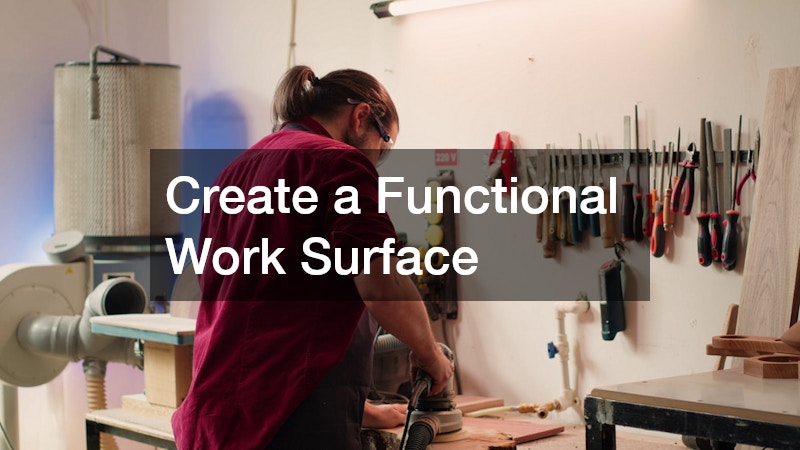
Every workshop needs strong, reliable work surfaces that can handle daily use without breaking down or becoming difficult to work on. Whether you are assembling parts, cutting materials, sanding components, or performing detailed precision tasks, the surface beneath your hands plays a major role in both accuracy and comfort. A stable, level countertop reduces mistakes, improves safety, and allows you to focus fully on the task instead of compensating for an uneven or damaged surface.
Some homeowners choose quartz countertop installations for their workbenches because they offer an excellent balance of durability and practicality. Quartz is highly resistant to scratches, chips, and stains, making it well suited for workshops where tools, hardware, and materials are constantly in use. The smooth, nonporous surface is easy to clean after messy projects, helping maintain a tidy workspace without extra effort. In addition to performance, quartz brings a clean, polished appearance that can make the workshop feel more professional and well planned.
A quality work surface supports accuracy, efficiency, and long term productivity. It often becomes the central hub of the workshop where most projects begin and end. By investing in a durable countertop that fits your workflow, you create a dependable foundation that enhances both the functionality and visual appeal of the entire space.
Transforming your garage into a workshop is a rewarding investment that enhances both your home and your daily routines. By taking the time to address key elements such as structure, access, lighting, temperature control, and organization, you create a space that truly supports productivity, safety, and creativity. Each improvement, whether large or small, contributes to a more efficient environment where tools are protected, materials are easy to manage, and work can be completed with greater focus and confidence.
With careful planning and the right improvements, your garage can evolve from a simple storage area into a dedicated workspace tailored to your specific needs and interests. A well designed workshop not only makes projects easier and more efficient but also creates a space you enjoy spending time in. Whether you are tackling weekend projects or pursuing a long term hobby, a functional garage workshop can make every task more satisfying and productive.