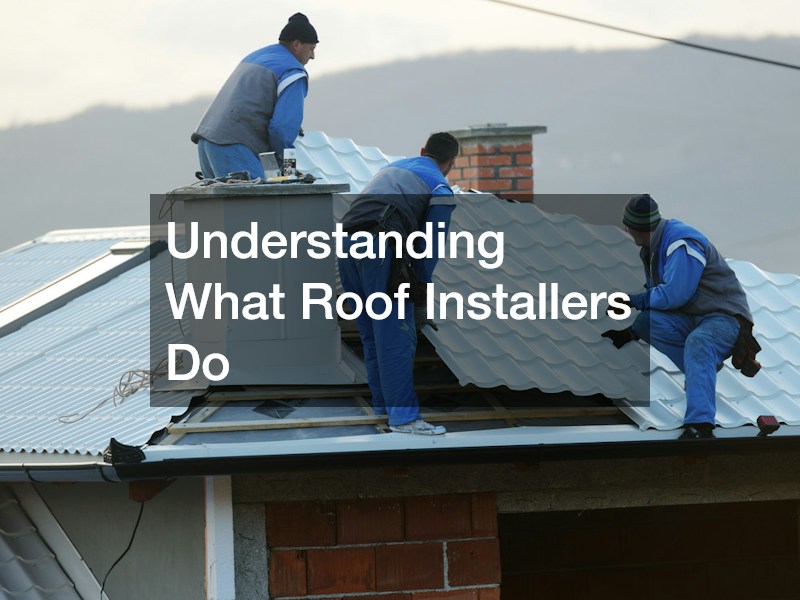
In this article, we delve into the important role of roof installers, examining their duties, the skills required for the job, and why their work is crucial in the construction and maintenance of buildings. Whether you’re considering a career in roofing or are just curious about what roofers do, this comprehensive guide will provide you with the insights you need.
1. What Are the Primary Responsibilities of Roof Installers?
Roof installers are responsible for the planning, installation, and maintenance of roofs. Their duties begin with evaluating the structure of a building to choose appropriate roofing solutions.
After assessing the needs of the building, they prepare the surface for installation by cleaning and performing minor repairs. Roof installation involves precise placement of materials such as shingles, tiles, or metal panels. Finally, they inspect the completed work to ensure it meets safety and quality standards.
An important part of a roof installer’s job is ensuring that materials are installed correctly to prevent leaks and other damage. They work in various weather conditions which can add an element of challenge to their tasks. Planning and coordination with other construction professionals is critical to keep projects on time. Roof installers also ensure that they comply with local building codes and regulations. This compliance is important for the safety of the building’s occupants and the longevity of the roof.
Communication with homeowners or building managers is another key responsibility. Roof installers must discuss material options, costs, and project timelines clearly. Feedback from the client helps them make adjustments to the project plan. Being detail-oriented is vital to manage all these aspects successfully. Ultimately, professional roof installers take pride in delivering a secure and aesthetically pleasing roof.
2. What Skills and Qualifications Are Essential for Roof Installers?
A successful roof installer must possess a combination of technical skills and physical capabilities. Technical skills include knowledge of different roofing materials and installation techniques. Familiarity with using specialized tools is essential for efficiency and precision. Physical fitness is important as installers often work on steep slopes and at heights. Understanding safety protocols and wearing appropriate protective gear minimizes risks while working.
Formal education is not always required for roof installers, but vocational training and apprenticeships provide valuable hands-on experience. These programs often cover safety practices, construction basics, and installation techniques. Certifications from roofing associations can also enhance a roofer’s qualifications. Such certifications demonstrate commitment to professional standards and a depth of knowledge in the field. Additionally, developing communication skills helps roof installers work effectively with clients and team members.
Problem-solving abilities are crucial when unexpected issues arise during projects. Roofers may need to adapt plans or materials based on site conditions or weather changes. Competent installers use their experience and instinct to address such challenges effectively. Building rapport with colleagues fosters teamwork, which is essential on large projects. This collaboration helps streamline processes and ensure a safe, high-quality outcome.
3. What Challenges Do Roof Installers Face?
The physical demands of roofing pose significant challenges. Roof installers spend long hours outside, exposed to the elements. They work in uncomfortable positions, which can be taxing on the body over time. Extreme weather conditions can halt work or make it unsafe to continue. These factors require a high level of fitness and resilience from those in the industry.
Additionally, roofing can be a dangerous profession due to the risk of falls. Adhering to strict safety protocols reduces this risk but cannot eliminate it entirely. Roofers need to remain vigilant and use the appropriate safety equipment. Regular training updates help installers stay informed about the latest safety practices and technologies. Maintaining a secure work environment is critical to protect both the workers and the structure they are building or repairing.
Another challenge roof installers face is timing and scheduling. Coordinating with suppliers and other contractors requires efficient planning and communication. Delays in material delivery can disrupt timelines and increase costs. To minimize these issues, roofers often establish strong relationships with suppliers and network with other construction professionals. Effective project management is crucial to navigate these complexities successfully.
4. How Do Roof Installers Select the Right Materials?
Selecting the right materials is a critical task for roof installers as it directly affects the roof’s durability and performance. They start by evaluating the local climate as different materials respond differently to weather conditions. For instance, metal roofs are well-suited for areas with heavy snowfall due to their durability and snow-shedding capability. In contrast, clay tiles may be ideal in hot climates due to their natural insulation properties. Roof installers apply their knowledge to match material characteristics to environmental demands.
Client preferences and budget also play a significant role in material selection. Roof installers discuss options thoroughly with clients, ensuring they understand the advantages and limitations of each choice. Understanding cost versus benefit helps clients make informed decisions. Frequently, installers recommend a blend of materials to achieve the desired aesthetic and functionality, while considering potential maintenance needs. This collaboration ensures a satisfactory solution that meets the client’s needs and budget constraints.
Technical specifications and manufacturer recommendations are also key considerations. Roof installers must ensure materials are compatible with the building’s structure and meet all relevant municipal building codes. Compliance avoids potential legal issues and enhances the roof’s longevity. Manufacturers often specify installation methods and provide warranties, which require adherence to ensure coverage. By aligning with these specifications, installers can assure clients of the roof’s quality and reliability.
5. How Can One Become a Professional Roof Installer?
Becoming a professional roof installer typically begins with gaining experience through an apprenticeship or on-the-job training. These programs provide hands-on experience and instruction from experienced roofers. Apprentices learn safety practices, material handling, and installation techniques. Formal classroom education may complement practical training, covering topics such as building codes and technical skills. Through practice and guidance, aspiring roofers develop a strong foundational skill set.
Obtaining certifications from recognized roofing associations can enhance career prospects. Certifications validate expertise and adherence to industry standards. They ensure roofers stay updated with the latest installation techniques and materials. Furthermore, certified roof installers often command higher salaries and have more job opportunities. Continuous learning through workshops and courses is imperative for career advancement in this evolving field.
Networking and building a solid reputation are essential for long-term success. Joining industry organizations provides valuable connections and learning opportunities. Positive client feedback and completed projects contribute to a roofer’s credibility. Professionalism, reliability, and quality workmanship are key to building a successful career as a roof installer. These attributes help maintain a steady stream of work and satisfied clients.
Roof installers play an essential role in ensuring the integrity and safety of buildings. With a blend of physical skill, technical knowledge, and attention to detail, roofers tackle various challenges to provide quality service. Understanding their work helps not only those in the industry or considering entering it but also anyone looking to hire roofing services.