
An extensive residential transformation does not require radical structural demolition. The prevailing narrative across home improvement media suggests that unless you are knocking down load-bearing walls, expanding footprints, or spending six figures on a comprehensive teardown, you cannot fundamentally alter the character of your living space. In practice, however, major structural overhauls frequently trigger timeline extensions, budget bloat, and prolonged domestic disruption. More critically, massive gut renovations often deliver diminishing returns when measured against daily lifestyle enhancement and long-term capital recovery.
A far more strategic approach centers on targeted micro-renovations. By zeroing in on key visual anchors, daily tactile touchpoints, and foundational mechanical equipment, homeowners can dramatically elevate their quality of life while preserving their capital. High-impact improvements operate on the principle of leverage: making surgical adjustments where human interaction and visual prominence are concentrated. A modern home is experienced through the surfaces your hands touch each morning, the quality of water running through your fixtures, the clarity of natural light moving across well-finished walls, and the reliability of core mechanical utilities. When planned with precision, smaller upgrades eliminate daily friction, revitalize dated architectural aesthetics, and protect the overall integrity of the structure.
Elevating the Culinary Workspace: Targeted Surface Transformations
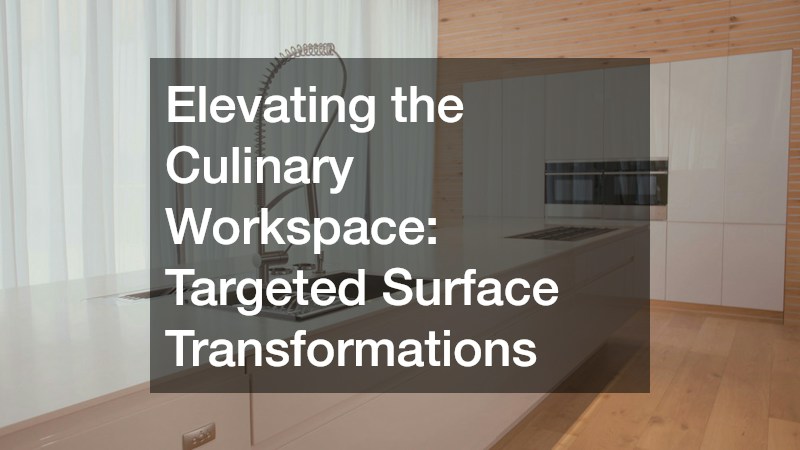
The kitchen serves as the visual and operational anchor of modern residential living. When homeowners feel dissatisfied with this space, the initial impulse is often to gut the entire room down to the studs. Yet in the vast majority of homes built within the past few decades, the underlying cabinet carcases are structurally sound, well-anchored, and functionally laid out. Tearing them out simply to modernize the visual aesthetic represents an enormous waste of materials and labor. By directing resources toward the horizontal work surfaces and mechanical components, you capture the ambiance of a high-end culinary space at a fraction of the cost.
- Investing in premium natural stone or engineered quartz surfaces completely resets the room’s visual temperature. By working with dedicated countertop services, homeowners can execute digital laser templating that accommodates existing wall irregularities, seamlessly integrate sleek undermount sinks, and implement custom edge profiles that elevate standard cabinetry.
- Maximizing appliance longevity through targeted maintenance is vastly superior to replacing well-built units with entry-level replacements. Coordinating with an experienced appliance repair service allows you to rebuild high-end sealed refrigeration compressors, replace faulty range burner igniters, and recalibrate precision oven thermostats, ensuring commercial-grade performance remains intact.
- Modernizing functional hardware bridges the gap between old woodwork and contemporary finishes. Swapping tarnished, dated pulls for solid brass, knurled metal, or matte bronze handles delivers immediate tactile luxury every time a drawer is pulled open.
- Upgrading kitchen faucets with high-arc pull-down sprayers and magnetic docking adds immediate tactile utility and sleek culinary style.
- Introducing multi-layered architectural lighting completely alters spatial perception. Installing continuous 2700K warm-dim LED tape lighting beneath upper cabinetry eliminates harsh shadows across countertops, creating balanced task lighting for food preparation and warm ambient illumination during evening entertaining.
Replacing countertops also creates a natural opportunity to install a full-height tile backsplash. Extending handmade ceramic subway tiles, stacked mosaics, or continuous quartz slabs from the counter directly to the base of the upper cabinets creates vertical cohesion that makes standard eight-foot ceilings feel significantly taller. Rather than enduring months without a functional cooking area, this targeted strategy updates the entire kitchen environment in just a few days of active installation.
Restorative Bath Sanctuaries: Precision Upgrades for Daily Luxury
Bathrooms represent high-density utility zones where aesthetic fatigue and functional wear become apparent very quickly. Discolored grout, peeling silicone, dated brass enclosures, and inadequate ventilation can make an otherwise well-maintained home feel tired and neglected. Fortunately, elevating a bathroom into a tranquil, spa-grade sanctuary rarely requires moving supply lines or reconfiguring the existing floor layout. Targeted interventions focused on light transmission, moisture management, and surface materials can dramatically alter the sensory experience of the room.
- Eliminating visual barriers expands perceived volume. Replacing clouded, framed slider tracks or fabric shower curtains with custom frameless glass shower doors instantly visually doubles the perceived square footage of a compact bath by allowing unobstructed sightlines through to the back wall.
- Heavy-gauge glass installations provide substantial durability. Utilizing premium 3/8-inch or 1/2-inch architectural tempered safety glass treated with factory-applied hydrophobic coatings actively repels soap scum, mineral deposits, and water stains, drastically reducing maintenance routines.
- Converting tub enclosures into low-threshold walk-in showers enhances accessibility while creating an expansive visual footprint.
- Entrusting critical wet-area waterproofing to trained specialists prevents catastrophic structural issues. Partnering with a licensed bathroom remodeling company ensures that shower pan slope gradients, uncoupling membranes, and multi-stage moisture barriers are built strictly to local plumbing codes, protecting subfloors from invisible dry rot and mold growth.
- Upgrading ventilation mechanics removes humidity at the source. Replacing noisy, builder-grade exhaust fans with ultra-quiet, continuous-run models rated at 0.5 sones or lower eliminates mirror fogging, preserves wall paint, and silently mitigates lingering moisture without sounding like an industrial turbine.
Complementing these upgrades with modern thermostatic shower valves ensures absolute temperature stability, eliminating sudden scalding shocks when household appliances cycle on. Paired with a contemporary floating vanity and an illuminated anti-fog wall mirror, these focused changes transform an ordinary utilitarian bathroom into a refined retreat that rivals boutique hospitality suites.
Mechanical Purity: Safeguarding Whole-House Water and Wellness
While surface finishes command immediate aesthetic admiration, the invisible mechanical systems running behind your walls dictate the longevity of those very materials. Municipal tap water and private wells frequently carry heavy concentrations of dissolved minerals, chloramines, microplastics, and particulate matter. Over time, untreated water dulls stone surfaces, leaves stubborn white crusting across designer faucets, damages internal valve seals, and creates persistent skin irritation for household residents. Investing in comprehensive water conditioning safeguards your home’s infrastructure while markedly improving daily personal wellness.
- Mitigating hard mineral content prevents premature appliance destruction. Installing an automated, high-efficiency ion-exchange water softener at the main water entry point strips out dissolved calcium and magnesium before they can calcify inside your tankless water heater, boiler coils, or luxury shower fixtures.
- Softened water dramatically enhances cleaning efficiency throughout the home. Soaps and detergents lather effortlessly without leaving insoluble curd, meaning glass shower doors remain crystal clear, laundering cycles preserve fabric softness, and plumbing fixtures retain their original factory sheen indefinitely.
- Adding dedicated scale-inhibiting cartridges before tankless heaters shields heating coils from rapid thermal mineral precipitation.
- Integrating advanced multi-stage water filtration arrays eliminates chemical contaminants and off-tastes. Point-of-use reverse osmosis units installed beneath food preparation sinks utilize sub-micron carbon blocks and semi-permeable membranes to extract heavy metals, arsenic, nitrates, PFAS chemicals, and residual chlorine.
- Whole-house sediment and carbon pre-filters protect sensitive distribution valves. Removing rust flakes, silt, and chemical disinfectants at the meter ensures that water reaching washing machines, ice makers, and bathroom sinks is consistently clean and non-abrasive.
The compounded benefits of whole-home water treatment are both physical and financial. Dishwashers run without leaving cloudy mineral film across glassware, skin barrier health improves due to the elimination of stripping chemicals, and high-efficiency water heaters maintain their peak energy ratings because heating elements remain free of mineral scaling. Treating your water is the ultimate silent upgrade that protects every other plumbing investment in your residence.
The Optical Reset: Surface Finishes and Visual Cohesion
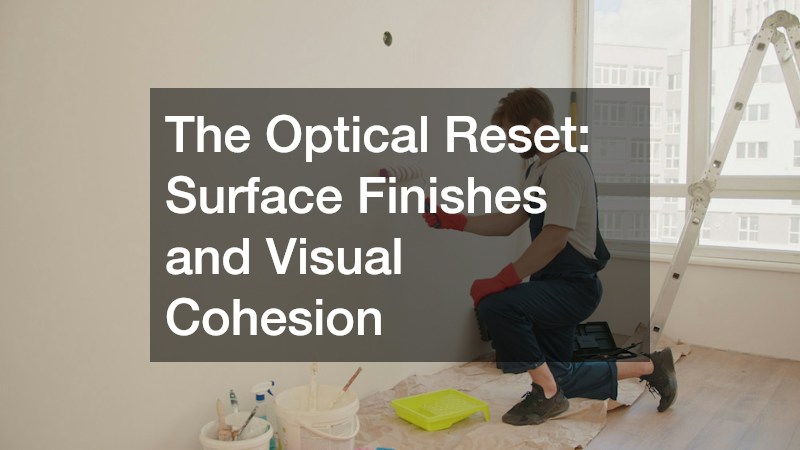
Color psychology and architectural lighting govern how a space feels far more directly than actual square footage. A spacious room coated in gloomy, yellowed beige or marred by years of scuffs, settling cracks, and inconsistent sheen levels will feel cramped, dull, and uninspired. Conversely, a disciplined, light-reflective palette can infuse even modest floor plans with airiness and sophisticated depth. Repainting interior spaces is widely recognized as a cost-effective renovation, but executing it with professional precision elevates it from a routine maintenance chore to an artistic transformation.
- Professional surface preparation separates mediocre paint jobs from museum-quality finishes. Enlisting a dedicated interior painting company ensures that drywall seams are properly skimmed, corner beads are squared, surface imperfections are sanded smooth under raking light, and trim joints are cleanly caulked with elastomeric sealants.
- High-durability finishes protect your investment in high-traffic zones. Skilled painters utilize airless spray systems to apply smooth, durable urethane-modified alkyd enamels to baseboards, interior doors, and window casings, providing a hard-wearing shell that resists chipping and hand-oil degradation.
- Painting interior doors in contrasting charcoal or dark taupe accents frames sightlines with bespoke architectural definition.
- Applying structured principles of interior design establishes harmonious continuity from room to room. Establishing a coherent 60-30-10 color balance—where 60% represents the dominant neutral wall tone, 30% a secondary millwork or textile shade, and 10% an intentional architectural accent—creates fluid transitions throughout open-concept floor plans.
- Balancing light reflectance values (LRV) corrects room orientation flaws. Using high-LRV paint formulations with subtle warm undertones bounces scarce daylight through north-facing spaces, while lower-sheen, saturated hues absorb harsh glare across expansive south-facing living areas.
Establishing a strict sheen hierarchy further refines the overall visual impact. Flat or matte sheens conceal subtle drywall irregularities across expansive ceiling planes; durable, washable eggshell finishes resist moisture and scuffs along living room and hallway walls; and semi-gloss enamels delineate architectural millwork with crisp, light-catching clarity. This multi-layered optical reset sharpens structural lines and modernizes the entire atmosphere of your home within days.
Foundational Infrastructure: Hidden Mechanicals and Strategic Updates

A truly transformative home renovation bridges surface aesthetics with core mechanical reliability. Focusing exclusively on cosmetic embellishments while ignoring aged, corroding, or inadequate distribution networks is a dangerous gamble. Outdated piping, deteriorated drain stacks, and unvented traps can trigger silent leaks behind brand-new drywall or ruin custom cabinetry from beneath. Pairing targeted cosmetic renovations with back-end infrastructure modernization ensures that your living space remains beautiful, functional, and structurally protected over the long haul.
- Proactive infrastructure inspection prevents emergency disasters. Hiring licensed plumbing services to run diagnostic video cameras through primary waste lines, assess water pressure levels, and replace aging galvanized branch lines with flexible, cross-linked polyethylene (PEX) piping ensures uninterrupted flow and eliminates leak hazards.
- Modern distribution manifolds allow individual fixture isolation. Installing structured home-run manifold systems equipped with quarter-turn ball valves enables homeowners to service individual sinks or shower valves without cutting off water supply to the remainder of the residence.
- Executing a focused, footprint-conscious kitchen remodel allows you to completely modernize daily ergonomics without incurring the structural costs of moving load-bearing walls, gas mains, or main soil stacks.
- Retrofitting cabinet interiors maximizes functional storage capacity. Replacing fixed wooden shelving with full-extension heavy-duty soft-close pullout trays, blind corner swing-out organizers, and integrated recycling pullouts recovers up to 40% of previously unusable cabinet volume.
- Installing pressure-regulating valves and water hammer arrestors stabilizes flow dynamics. Eliminating hydraulic shock waves generated by fast-closing solenoid valves on modern dishwashers and washing machines protects pipe fittings, stops annoying wall rattling, and extends the operational lifespan of all connected fixtures.
- Installing automated smart shutoff sensors around appliances detects microscopic leaks instantly, automatically isolating the supply line.
By treating mechanical upgrades as essential partners to visual remodeling, you guarantee that high-end finishes rest on a reliable, code-compliant foundation. The peace of mind delivered by sound infrastructure fundamentally enhances how you enjoy your home, eliminating the lingering anxiety of hidden failures beneath your newly upgraded surfaces.
The most successful home improvement projects are not defined by their budget size or the volume of construction debris hauled to the landfill. Rather, genuine transformation is achieved through thoughtful curation, selective upgrades, and an uncompromising focus on everyday functionality. By intentionally targeting tactile surfaces, refining spatial light, purifying foundational utilities, and modernizing mechanical components, you capture the benefits of a completely remodeled home without enduring years of chaotic construction or depleting your financial reserves.
When embarking on this journey, audit your living environment through the lens of daily operational friction. Note the dark corridors that crave reflective color, the shower doors that rattle in their tracks, the kitchen counters showing their age, and the untreated water degrading your expensive appliances. Addressing these elements systematically creates a compounding return on investment. Each targeted improvement reinforces the next, resulting in an environment characterized by effortless elegance, pristine air and water, and structural peace of mind. Investing wisely in high-impact micro-renovations ensures your home remains a source of enduring comfort, refined luxury, and robust financial equity for years to come.