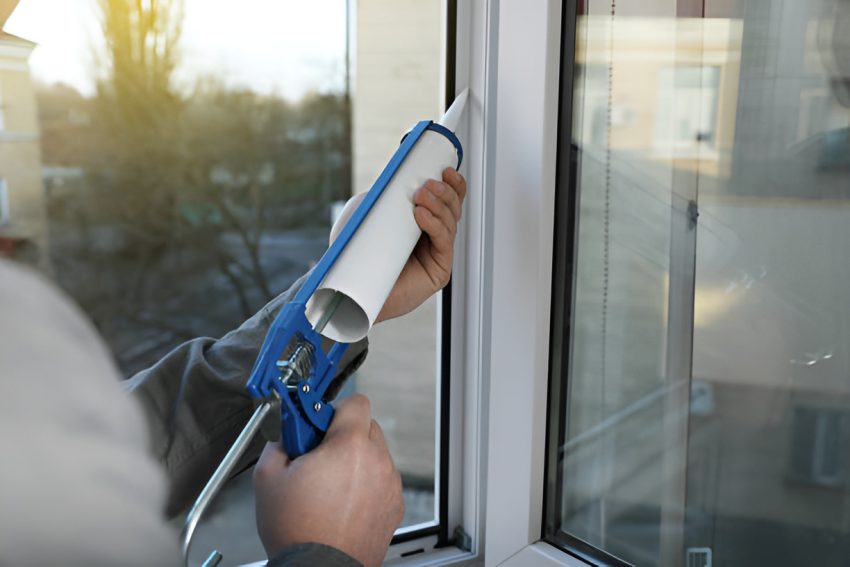
Key Takeaways:
- Never seal weep holes or drainage channels.
- Avoid caulking expansion gaps and moving parts.
- Stick to exterior edges, not interior or vinyl/aluminum gaps.
- Remove old caulk before applying new layers.
- Focus on areas that actually show drafts or leaks.
Caulking windows is one of the simplest ways to improve your home’s energy efficiency. A well-sealed window keeps warm air inside during winter and hot air out during summer. But while many homeowners focus on caulking everything around a window, knowing where not to caulk around windows is just as important. Over-caulked or improperly sealed windows can lead to moisture problems, paint damage, and even structural issues.
In this guide, we’ll explore common mistakes, the right areas to leave alone, and how to caulk effectively without creating bigger problems.
Why Knowing Where Not to Caulk Around Windows Matters
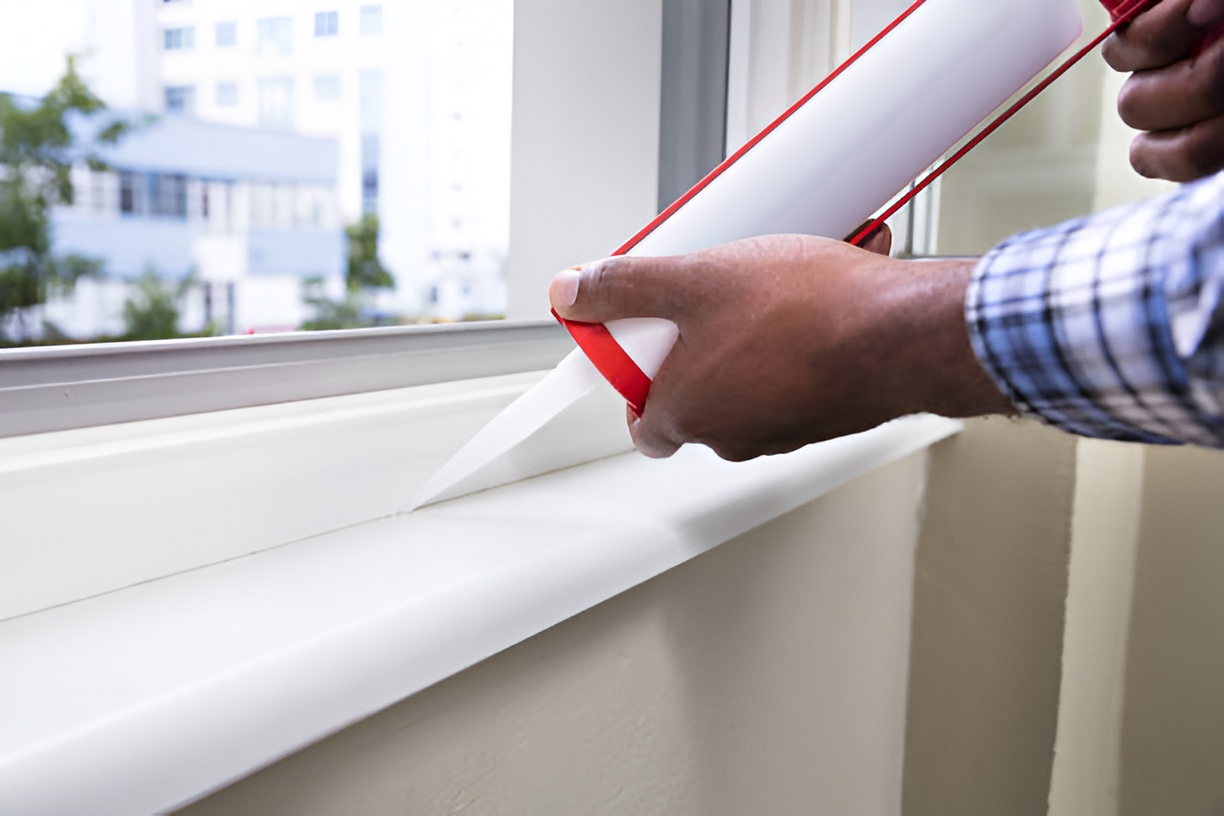
Most DIY guides tell you to seal every gap, but not every space around your window should be caulked. Improper caulking can:
- Trap moisture inside the walls
- Prevent wood or vinyl from expanding and contracting
- Damage paint or window finishes
- Reduce ventilation in areas where it’s needed
Understanding where to skip caulking is crucial to protect your home while still boosting energy efficiency.
Should You Ever Skip Caulking Around Windows?
Yes. Not every crack or seam should be sealed. Windows are designed with specific areas that allow for expansion, drainage, and airflow. Blocking these can create:
- Water damage inside wall cavities
- Mold or mildew growth
- Warped frames or cracked sills
By knowing where not to caulk around windows, you prevent these issues while still reducing drafts in the right places.
Areas Where Not to Caulk Around Windows
Here’s a breakdown of areas you should leave alone:
1. Weep Holes and Drainage Channels
Most modern windows have tiny openings at the bottom called weep holes. These allow water that enters the frame to escape. Sealing them blocks drainage, causing water to accumulate and rot the sill or wall.
- Check your windows for small holes along the bottom edge.
- Never apply caulk over these openings.
- Keep them clear to maintain proper water drainage.
2. Expansion Gaps
Windows expand and contract with temperature changes. Many frames include small gaps designed for movement. Caulking these can lead to:
- Cracked caulk
- Warped frames
- Broken seals
Tip: Only caulk where the frame meets the siding or trim, not where the manufacturer specified an expansion gap.
3. Between Window Sash Components
Avoid caulking between the moving parts of your window, like the sash and frame. Blocking this space can interfere with:
- Window operation (opening and closing)
- Locking mechanisms
- Proper airflow to prevent condensation
4. Interior Side of Vinyl or Aluminum Windows
Vinyl and aluminum windows naturally have small gaps for thermal movement. Over-caulked interiors can:
- Trap moisture
- Cause mold or mildew buildup
- Shorten the lifespan of the window
Stick to sealing the exterior edges, where energy loss and drafts are more common.
5. Over Old Caulk Without Proper Removal
If a window already has caulking, don’t simply layer new caulk on top. Old, cracked, or hardened caulk should be fully removed. Layering over it can:
- Cause poor adhesion
- Lead to leaks
- Look messy and uneven
Tip: Use a utility knife or caulk remover to clean the surface first.
How to Identify Gaps That Actually Need Caulking
Not every visible crack is a culprit for energy loss. Look for:
- Drafts felt by hand along window edges
- Light passing through tiny gaps
- Water stains indicating leaks
- Loose trim or siding around the window
Focus your efforts on these problem areas. Unnecessary caulking wastes material and can cause issues.
Tools and Materials You’ll Need
Before you start, gather the right tools:
- High-quality exterior caulk (silicone or latex)
- Caulk gun
- Utility knife or scraper
- Painter’s tape for clean lines
- Rag or paper towels for cleanup
Using the right tools ensures a neat, effective seal that lasts for years.
Step-by-Step Guide to Proper Window Caulking
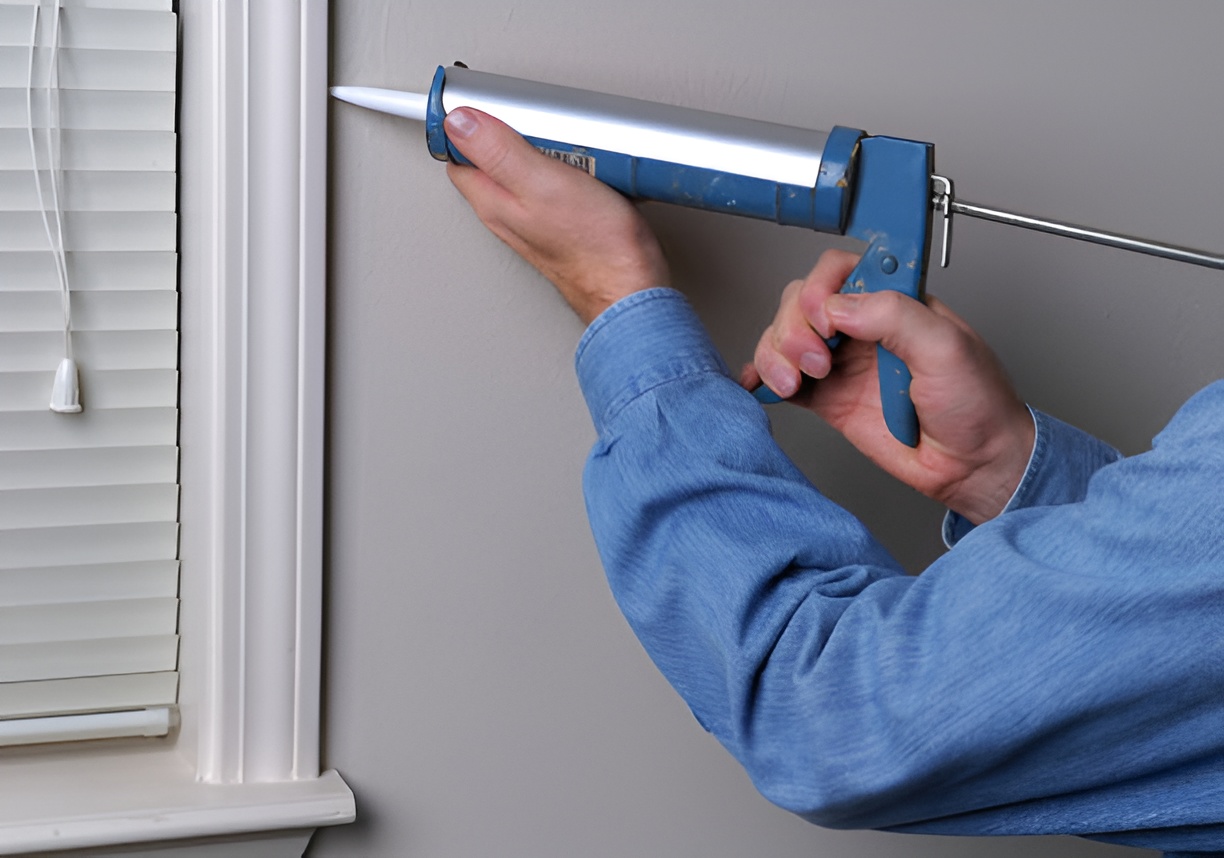
If you’re wondering how to caulk windows properly, it’s important to focus on the right areas while avoiding spots that shouldn’t be sealed. Follow these steps for an effective, long-lasting seal:
- Clean the Surface – Remove dirt, old caulk, and loose paint. Dry thoroughly.
- Apply Painter’s Tape – Mask edges to get straight, professional-looking lines.
- Cut the Caulk Tube Tip – Open at a 45-degree angle for controlled flow.
- Apply Caulk Smoothly – Focus on gaps between the window frame and exterior siding or trim.
- Smooth With Finger or Tool – Press caulk into gaps for a tight seal.
- Remove Tape and Clean Up – Finish before caulk dries for clean edges.
Common Mistakes When Caulking Windows
Even experienced homeowners sometimes misstep. Avoid:
- Caulking over weep holes or drainage channels
- Filling expansion or contraction gaps
- Using interior-grade caulk on exterior joints
- Over-applying caulk, creating lumps and mess
- Ignoring window movement and seasonal shifts
Exterior vs. Interior Caulking: Where to Focus
For energy efficiency, exterior caulking is usually more effective because it stops drafts before they enter your home. Interior caulking is generally for aesthetic purposes or minor touch-ups and shouldn’t block necessary ventilation paths.
How Often Should You Re-Caulk Windows?
Caulking isn’t permanent. Check your windows yearly for:
- Cracks or gaps in the caulk line
- Shrinking or pulling away from surfaces
- Signs of water infiltration or drafts
Re-caulk only where needed, and continue to avoid areas that shouldn’t be sealed.
Can Over-Caulking Cause More Energy Loss?
Surprisingly, yes. Caulking the wrong areas can trap moisture, leading to:
- Mold growth that damages insulation
- Warped frames that reduce the window’s sealing capability
- Peeling paint that exposes gaps and lets drafts in
So, knowing where not to caulk around windows isn’t just about avoiding damage—it also helps maintain real energy efficiency.
Professional Tips for Better Energy Efficiency
- Use silicone or high-quality exterior caulk for longevity.
- Check for hidden gaps behind trim or siding before starting.
- Seal around stationary frames, not moving parts.
- Don’t caulk over flashing or other water-management components.
- Inspect after major temperature changes or storms.
When to Call a Pro
Sometimes, window caulking isn’t straightforward. Call a professional if you notice:
- Persistent water leaks despite proper caulking
- Warped or rotting window frames
- Old windows with extensive damage or outdated seals
A pro can assess which areas truly need sealing and avoid over-caulking.
Energy Savings Beyond Caulking
Caulking is just one step. Other energy-saving measures include:
- Weatherstripping movable sashes
- Installing insulated window treatments
- Replacing old, single-pane windows
- Adding storm windows for additional insulation
Together, these strategies complement proper caulking for maximum efficiency.
Wrapping It Up
Caulking windows seems simple, but it’s easy to make costly mistakes. Over-caulking or sealing the wrong spots can create more problems than it solves. Focus on the areas that truly need it, respect manufacturer-designed gaps, and maintain your windows properly.
Your home will stay comfortable, energy bills will be lower, and your windows will last longer. Proper caulking is all about balance: seal the gaps that matter and leave the rest alone.